
For wholesale buyers, choosing Crew Grip Socks in 2026 means checking more than color, size, and carton price. A dependable program must balance traction, comfort, durability, branding, and delivery consistency. Buyers may compare combed cotton, bamboo blends, recycled polyester, and performance fibers. Each option affects drying speed, softness, shrinkage, and landed cost. Small details matter. A silicone pattern that grips a studio floor may feel harsh inside a training shoe. A soft cuff may loosen after repeated washing. These flaws become expensive when multiplied across thousands of pairs.
Daniel Reed, a sportswear sourcing consultant with experience in private-label accessories, says, “Wholesale value is not the lowest unit price; it is reliable performance across every reorder.” That principle deserves attention. Serious buyers should request samples, measure sock weight, inspect grip coverage, and test washing results. They should also verify size grading, packaging accuracy, logo placement, and production lead times. A polished sample can hide inconsistent factory output. One sample is not proof.
This guide examines the practical standards behind the best Crew Grip Socks for wholesale purchasing in 2026. It considers studio use, fitness training, hospitality uniforms, retail shelves, and branded promotions. The discussion also covers minimum order quantities, material claims, private-label options, and quality-control checkpoints. Some recommendations may not suit every market. That is the honest part. A cheaper blend can win on margin, while a premium yarn may create stronger repeat sales. Buyers must test both before making a confident commitment.
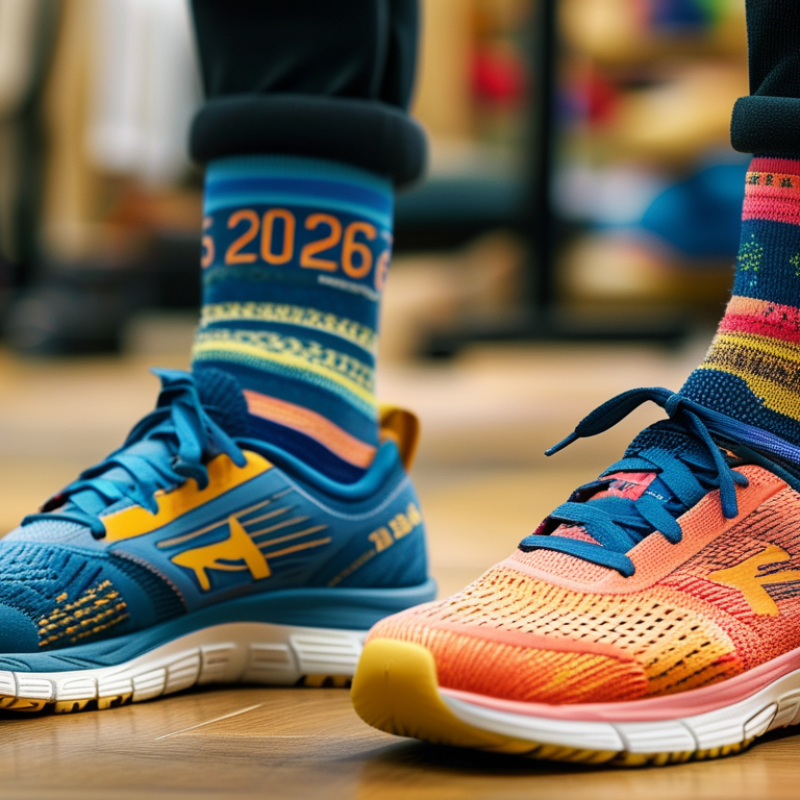
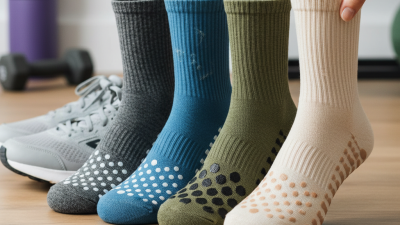
Crew grip socks are socks that rise above the ankle and usually reach the lower calf. Small rubber or silicone patterns cover the sole. These grips help reduce sliding on smooth floors. The crew height also adds warmth, coverage, and a more secure fit. Think of a soft barrier between skin and studio flooring. Unlike ordinary athletic socks, they support controlled foot contact during movement.
Pilates students, yoga participants, dancers, and indoor fitness users commonly wear them. They are also useful for rehabilitation rooms, home workouts, and hospitality settings with floor-based activities. Some wearers prefer them for hygiene and comfort when shoes are removed. Others simply like the extra stability. Grip socks do not replace proper instruction or safe flooring. That distinction matters.
For wholesale buyers, practical testing should come before large orders. Check grip consistency, toe-room, stretch recovery, and seam softness. A sock may look attractive but feel tight after thirty minutes. That is a real problem. Request samples in several sizes and test them on wood, tile, and exercise mats. Wash them repeatedly, then inspect peeling grips and fabric shrinkage. Cotton-rich blends feel breathable, while synthetic fibers often improve drying and durability. Packaging should show size, fiber content, care instructions, and intended use clearly. Some buyers focus too heavily on low unit cost. I have found that uneven sizing creates more complaints than a slightly higher purchase price. That lesson is easy to overlook.
| Product Dimension | Recommended Wholesale Specification | Why It Matters to Buyers | Typical Users and Settings | Quality Checkpoints |
|---|---|---|---|---|
| Definition | Crew-length socks that generally extend to the lower calf and include non-slip grip elements on the sole. | Provides a clear product description for catalogs, online listings, and retail staff. | Studios, indoor fitness facilities, wellness centers, hospitality programs, and home users. | Confirm that the sock height, sole coverage, and grip function match the product description. |
| Primary Function | Improve traction on smooth indoor surfaces while providing light foot coverage and comfort. | Helps buyers select the product for suitable applications without presenting it as certified protective footwear. | Pilates, yoga, barre, dance practice, stretching, indoor walking, and studio classes. | Check grip adhesion, coverage, flexibility, and performance after repeated washing. |
| Common Fiber Blend | Combed cotton or cotton-rich yarn blended with polyester, polyamide, or elastane. | Balances softness, durability, shape retention, and production cost. | Suitable for general-purpose studio and lifestyle assortments. | Review fiber percentages, yarn consistency, shrinkage, pilling, and colorfastness. |
| Recommended Stretch Fiber | Approximately 2%–8% elastane for a close fit without excessive compression. | Supports size flexibility and helps reduce slipping during movement. | Users who need a secure fit for classes and low-impact indoor activities. | Test recovery after stretching and confirm that the cuff does not roll or feel restrictive. |
| Grip Material | Silicone, PVC, or rubberized printed grip elements applied to the sole. | Different materials affect traction, hand feel, durability, and target price. | Silicone is often chosen for flexible studio use; rubberized options may suit higher-wear programs. | Inspect print coverage, bonding, flexibility, odor, cracking, and peeling after laundering. |
| Grip Pattern | Dots, waves, lines, geometric shapes, or full-sole layouts arranged across high-contact areas. | Pattern design can influence traction, appearance, printing cost, and perceived quality. | Studios may prefer functional patterns, while retailers may favor coordinated or decorative layouts. | Check even spacing, sharp edges, surface coverage, and consistent placement between pairs. |
| Sock Height | Typically positioned between ankle and lower-calf height, with a finished crew-style cuff. | Offers more coverage than ankle socks while remaining lighter than knee-high styles. | Dance students, Pilates and barre participants, indoor exercisers, and lifestyle customers. | Measure cuff height on multiple sizes and check for consistent knitting and stretch. |
| Cuff Construction | Ribbed or elasticated cuff designed to stay in place without excessive pressure. | Improves comfort and reduces returns caused by slipping, rolling, or tightness. | Useful for classes and activities involving repeated foot and ankle movement. | Check cuff recovery, seam security, pressure marks, loose yarns, and dimensional consistency. |
| Toe Construction | Flat-linked, hand-linked, or reinforced toe seam with a smooth interior finish. | Reduces friction and improves comfort during prolonged indoor wear. | Wellness clients, studio members, dancers, and customers sensitive to bulky seams. | Run a finger across the inside seam and inspect for protruding yarns or uneven stitching. |
| Cushioning Level | Light cushioning or a smooth, low-bulk sole for studio and indoor use. | Preserves floor feel and keeps the product lightweight for movement-based activities. | Yoga, Pilates, barre, dance practice, stretching, and indoor relaxation. | Verify that cushioning does not interfere with grip contact or make the fit too tight. |
| Size Range | Offer at least three size groups, such as small/medium, medium/large, and large/extra-large, where appropriate. | Broader size coverage helps reduce fit-related returns and supports institutional purchasing. | Retail programs, studio uniform packs, membership gifts, and mixed-size class orders. | Compare foot-length charts with actual measurements and test stretch across the size range. |
| Color Assortment | Core neutrals plus seasonal colors, subject to production and dye-lot availability. | Allows buyers to serve both uniform requirements and fashion-oriented retail demand. | Studios may choose coordinated colors; retailers may use broader seasonal assortments. | Check shade consistency, colorfastness, grip-print contrast, and lot-to-lot matching. |
| Care Requirements | Generally machine washable according to the care label; low-temperature washing helps protect fibers and grip prints. | Simple care instructions improve customer satisfaction and product longevity. | Frequent-use environments such as studios, gyms, and wellness facilities. | Conduct wash testing for shrinkage, pilling, grip adhesion, fading, and loss of elasticity. |
| Packaging Options | Pair bands, recyclable paper sleeves, hangtags, or retail-ready cartons. | Packaging affects shelf presentation, storage efficiency, and fulfillment costs. | Retail stores, e-commerce fulfillment, studio reception desks, and event programs. | Confirm pair security, barcode area, size visibility, packaging durability, and material information. |
| Bulk Order Planning | Separate quantities by size, color, packaging format, and intended use before requesting quotations. | Clear assortment planning improves price comparison and reduces overstock risk. | Wholesalers, retailers, fitness facilities, dance schools, and corporate wellness programs. | Request samples, production lead time, carton dimensions, packing quantity, and inspection standards. |
| Safety Positioning | Market as indoor traction socks, not as a substitute for certified safety footwear. | Accurate claims reduce customer confusion and support responsible product marketing. | Indoor, low-impact, and controlled environments with clean, suitable flooring. | Avoid claims of protection against sharp objects, heavy impact, chemicals, or workplace hazards unless certified. |