2026 Best Pilates Crew Socks for Ultimate Comfort and Performance?
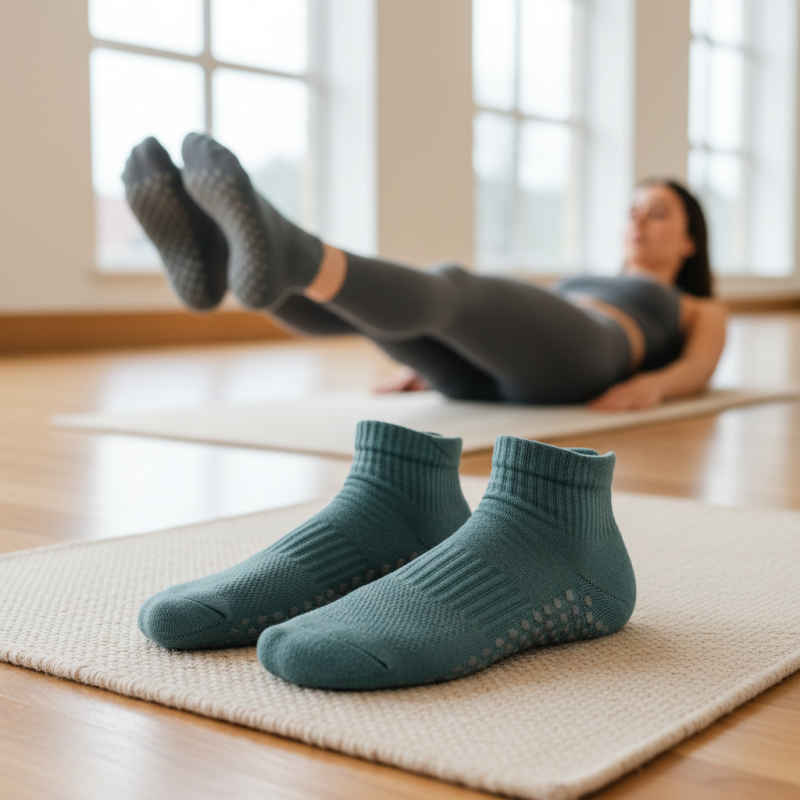
In the realm of Pilates, comfort and performance go hand in hand. Choosing the right equipment is essential. Expert Samantha Lee emphasizes, "The right Pilates Crew Socks can make or break your practice." These socks are designed to enhance grip and support during your workout.
Pilates Crew Socks are not just about style. They contribute to better foot alignment and stability. A great pair can prevent slipping on mats. They can help you focus on technique rather than comfort. However, many practitioners often overlook the importance of investing in quality socks.
While some choose any socks laying around, this can lead to a less effective workout. We need to reflect on this habit. Prioritizing the right gear is key. Comfort starts at your feet. Elevating your practice begins with the basics—like the right Pilates Crew Socks.
The Importance of Choosing the Right Pilates Crew Socks
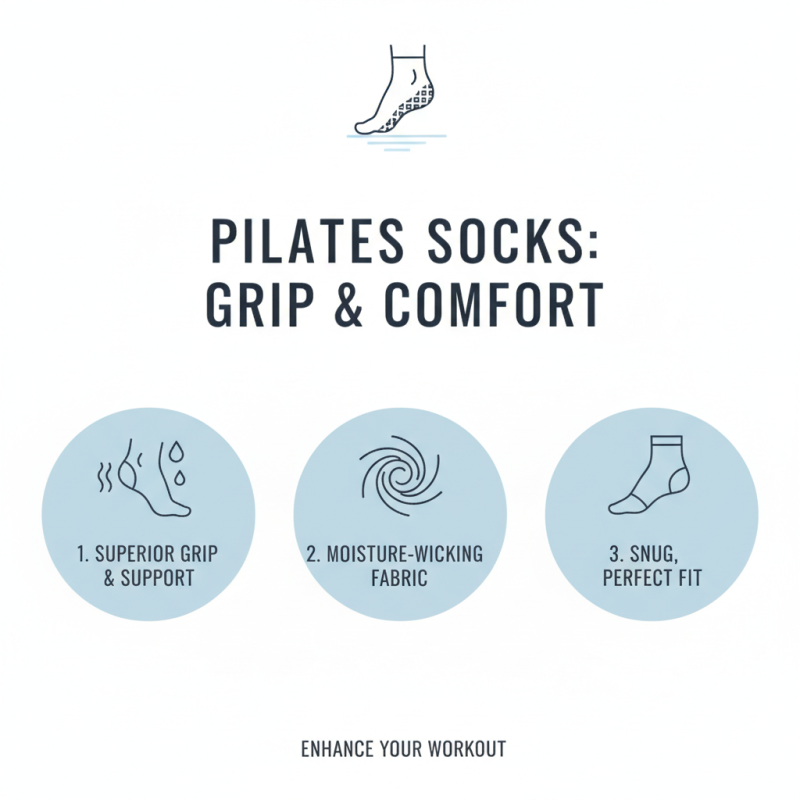
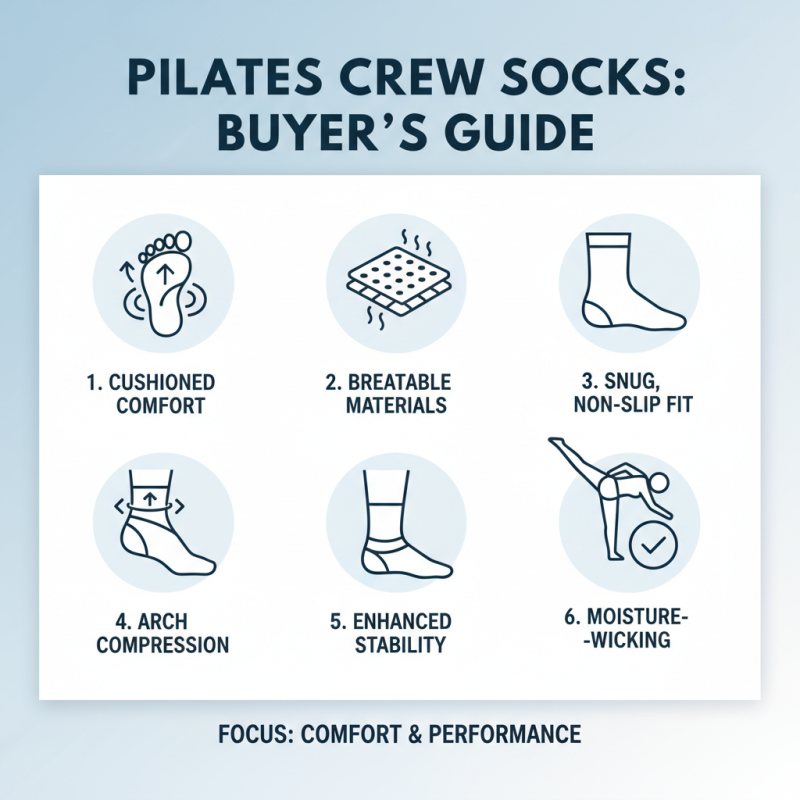
Choosing the right Pilates crew socks can significantly impact your performance and comfort. The right socks provide proper grip and support during your workout. Look for materials that wick moisture away from your feet. This feature keeps your feet dry and prevents slipping. A well-fitting sock hugs your foot without being too tight. It's important to test different sizes to find your ideal fit.
Sock thickness also matters. Thinner socks offer better flexibility, while thicker options provide extra cushioning. Think about how much padding you need. Some may prefer less bulk for agility, while others need more comfort. Keep in mind that styles vary widely. Aesthetic appeal can influence your choice, but function should come first.
Many people underestimate the importance of sock choices. A poor fit can lead to blisters or discomfort. Finding the right pair may take time and experimentation. Reflect on your personal needs and habits. Your Pilates experience can improve with a simple sock change. Prioritizing your comfort and performance will enhance your practice.
Key Features to Look for in High-Quality Pilates Crew Socks
When choosing the best Pilates crew socks, comfort is essential. Look for materials that offer breathability and moisture-wicking properties. Soft cotton or blended fabrics can prevent blisters and keep your feet dry. Thickness also matters. The right cushion can make a difference, especially during intense workouts.
Grip is another critical feature. A sock with sufficient traction can prevent slipping on studio floors. Consider those with silicone dots or textured surfaces. However, too much grip can feel restrictive. Experiment to find a balance that feels right for you.
Ankle height is worth considering. Some prefer a higher crew style that provides support. Others may want something more subtle. Ultimately, the perfect sock enhances your performance. Pay attention to how they fit. Ill-fitting socks can distract you and reduce focus. Embrace the process of finding the right pair.
2026 Best Pilates Crew Socks for Ultimate Comfort and Performance
| Feature |
Description |
Benefits |
| Material |
Breathable fabric blend (cotton, nylon, elastane) |
Provides moisture-wicking properties and reduces odor |
| Cushioning |
Targeted cushioning in the heel and toe |
Enhances comfort during workouts and reduces impact |
| Arch Support |
Built-in arch support design |
Improves stability and prevents foot fatigue |
| Fit |
Snug but comfortable fit with no-slip cuff |
Prevents slipping during movement and enhances performance |
| Seam Design |
Flat seam construction |
Minimizes chafing and irritation |
| Durability |
Reinforced stress points |
Increases lifespan of the socks for long-term use |
How Material and Cushioning Impact Comfort and Performance
Choosing the right material for Pilates crew socks greatly influences comfort and performance. Cotton blends can feel soft but might not wick moisture effectively. Synthetic materials, like nylon and spandex, offer better breathability. A blend can balance comfort and functionality, but not all blends perform well. You might find that some socks lose elasticity quickly. This can lead to discomfort during your workout.
Cushioning is another key factor. Extra padding can add comfort, but too much can hinder your movements. Consider socks with targeted cushioning to support the arch and heel. This provides stability without sacrificing flexibility. Some users find that overly cushioned socks make their feet feel heavy. You want to feel light and agile.
A good fit is essential, too; socks that are too tight can restrict blood flow and lead to numbness. The right socks contribute to a mindful practice, allowing you to focus on your movements.
Care and Maintenance Tips for Longevity of Pilates Crew Socks
Proper care and maintenance of Pilates crew socks can significantly extend their lifespan. According to a report by the Apparel and Footwear Association, up to 30% of socks are discarded due to wear and tear, often caused by improper washing methods. It’s essential to use cold water for washing, as hot water can break down elastic fibers. Avoiding bleach can also keep the fabric intact.
Drying techniques greatly impact sock longevity. Air drying is preferable. High heat from dryers can shrink or deform the material. Consider folding socks instead of rolling them; this prevents creasing and maintains elasticity. Regularly inspect for signs of wear, like thin areas or holes, and address them promptly.
Wearing Pilates socks regularly requires mindfulness about their condition. The average lifespan of quality socks is about six months, according to Sock Care Research. Replace them when they no longer provide comfort or support, even if they appear undamaged. If neglected, your feet may sacrifice comfort during workouts, leading to decreased performance. Thus, establishing a routine for checking your gear is crucial.