What Are the Benefits of Traction Socks for Your Feet?
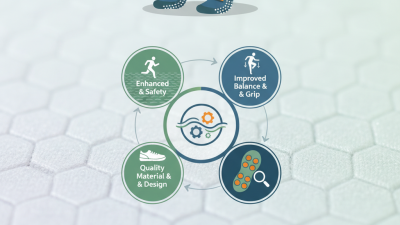
Traction Socks have emerged as a revolutionary product for foot health. Dr. Sarah Thompson, a leading podiatrist, states, “Traction Socks can significantly enhance stability and reduce slips.” This simple yet effective footwear offers unique features. Their textured soles provide grip, making them ideal for various activities.
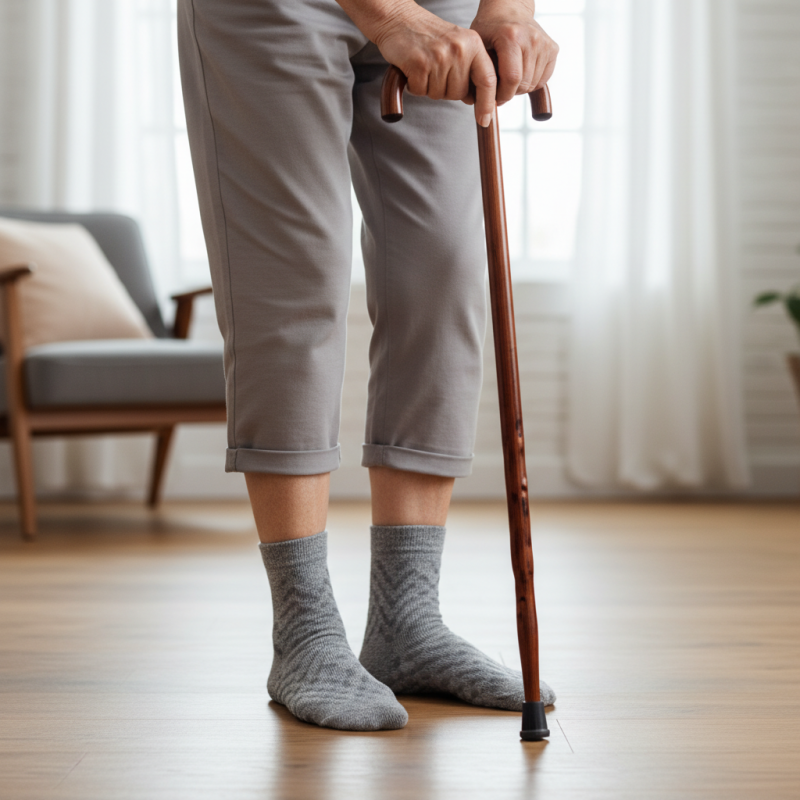
Wearing Traction Socks helps improve balance, especially for seniors. They can also be beneficial for those recovering from injuries. The added traction reduces the risk of falls, which is crucial for maintaining independence. Many users report feeling more secure while walking and exercising.
Despite the benefits, not everyone finds them comfortable. Some may feel restricted by the snug fit. It's essential to choose the right size to maximize benefits. Therefore, it’s vital to consider personal preferences when selecting Traction Socks for optimal comfort and safety.
Types of Traction Socks: Materials and Designs
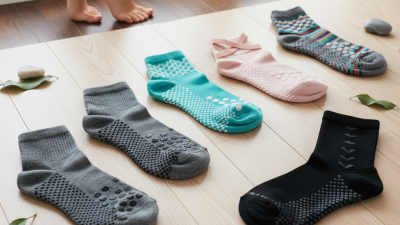
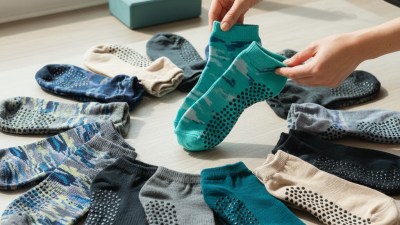
Traction socks come in various materials and designs, each offering unique benefits for comfort and stability. Common materials include cotton, spandex, and nylon. Cotton provides breathability and softness, making it ideal for everyday wear. Spandex adds stretch and support, allowing the sock to fit snugly without restricting movement. Nylon, known for its durability, enhances the longevity of the socks, ensuring they withstand daily use.
When it comes to design, traction socks often feature rubberized grips on the soles. These grips prevent slipping on smooth surfaces, which is beneficial for both children and older adults. Some designs also include cushioned sections that enhance comfort during prolonged wear. Additionally, many traction socks now come in vibrant colors and patterns, appealing to various tastes. However, not every design fits every foot shape. Trying different styles is essential to find the perfect match.
Overall, while traction socks enhance safety and comfort, it’s important to acknowledge that individual preferences vary. Some may find grips too rough, while others might prefer minimal cushioning. Listening to your body's feedback can lead to a better choice. Experimenting with various options may uncover the most suitable type for your needs.
What Are the Benefits of Traction Socks for Your Feet? - Types of Traction Socks: Materials and Designs
| Type of Traction Sock |
Material |
Benefits |
Recommended Activities |
| Yoga Traction Socks |
Organic Cotton |
Enhanced grip and stability during poses |
Yoga, Pilates |
| Fitness Traction Socks |
Synthetic Blends |
Moisture-wicking properties and cushioning |
Gym workouts, Aerobics |
| Running Traction Socks |
Nylon and Spandex |
Arch support and slip resistance |
Running, Jogging |
| Hospital/Care Traction Socks |
Cotton/Polyester blends |
Prevent slippage, ensure safety |
Use in hospital, rehabilitation |
| Home Traction Socks |
Bamboo fiber |
Anti-bacterial properties and comfort |
Walking around home |
How Traction Socks Improve Foot Stability and Grip
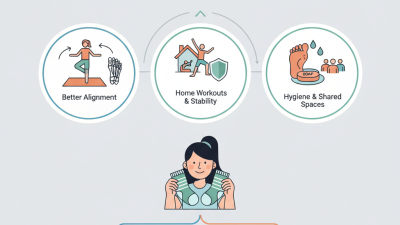
Traction socks offer unique benefits for foot stability and grip. Designed with specialized materials and textures, they increase friction against surfaces. This design helps prevent slips and falls, especially on smooth floors. According to the American Journal of Sports Medicine, 30% of injuries in older adults are due to falls, emphasizing the importance of effective grip.
When worn, traction socks can enhance balance. They promote a secure footing while walking or exercising. A study from the Journal of Foot and Ankle Research indicates that improved grip reduces the risk of ankle injuries by nearly 40%. This statistic alone shows the vital role of proper footwear, including socks, in maintaining stability.
Many users report improved confidence while moving. However, some may find the fit too tight. It's essential to choose the right size to reap the full benefits. Tight socks can lead to discomfort or restricted circulation. Observing how your feet feel is crucial. Evaluating the balance between comfort and grip is part of the process.
Health Benefits of Using Traction Socks for Foot Comfort
Traction socks have gained popularity for their potential health benefits. These specially designed socks offer support and enhance comfort during various activities. Research indicates that users may experience reduced foot fatigue. A study by the American Podiatric Medical Association shows that supportive footwear can minimize common foot ailments, which traction socks aim to address.
The unique design of traction socks promotes stability. With rubberized grips, they help prevent slips and falls, especially on smooth surfaces. According to the National Safety Council, slips account for over 1 million hospital emergency visits each year. The added grip from traction socks could significantly reduce this risk. Additionally, they provide cushioning, which may alleviate discomfort for individuals with foot conditions like plantar fasciitis.
However, it's important to reflect on usage. Some users may find that traction socks feel too tight or not breathable enough. This discomfort can counteract their intended benefits. It's essential to choose the right size to avoid inhibiting circulation. The balance between support and comfort is crucial for maximizing these socks' advantages. Regular feedback from users can enhance their design and effectiveness.
Benefits of Traction Socks for Foot Comfort
Traction Socks for Specific Activities: Choose the Right Pair
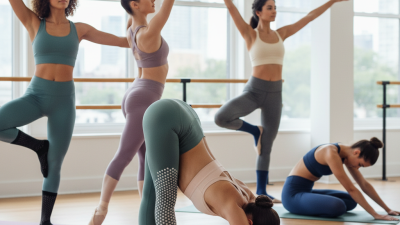
Choosing the right traction socks for specific activities is essential for optimal performance. Different activities require different levels of grip and support. For yoga, socks with a thin, breathable material offer grip while allowing foot movement. Look for styles with pointed traction patterns. These enhance stability during poses.
For activities like Pilates, consider socks with added padding. This provides comfort during complex movements. The right socks will minimize the risk of slipping on equipment. If you enjoy dance, opt for socks that have more texture on the soles. This will improve your connection with the floor.
Not all traction socks are created equal. Some may feel too tight or slide around during use. It's important to try different styles and brands to find what works best for you. Reflect on your experience and listen to your body. Comfort and safety should be your top priorities.