What Are the Benefits of Traction Socks for Every Sport?
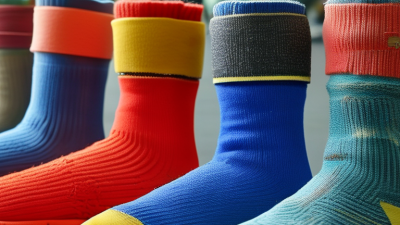
Traction socks have gained attention in the sports world, thanks to their unique design and performance benefits. According to a report by the Sports Medicine Institute, injuries related to slip and grip issues account for nearly 30% of all sports injuries. This statistic highlights the need for effective solutions in athletic performance. Traction socks are engineered to enhance grip and stability, reducing the risk of falls and mishaps on various surfaces.
These specialized socks feature advanced materials that provide superior traction during dynamic movements. Athletes across multiple disciplines, from football to yoga, have reported improved performance when wearing traction socks. A survey from the Athletic Footwear Alliance found that 75% of athletes felt more secure and confident in their movements with these socks. This evidences their growing importance in sports gear.
However, not all traction socks are created equal. Some models may wear out quickly or lack proper breathability, leading to discomfort during extended use. Athletes should carefully consider their options and choose socks that balance traction with the necessary comfort. The right pair of traction socks can genuinely enhance performance and reduce injury risk, making them a worthwhile investment for both amateur and professional athletes.
Understanding Traction Socks and Their Design Features
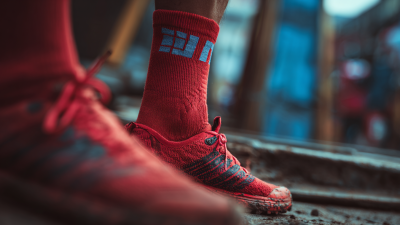
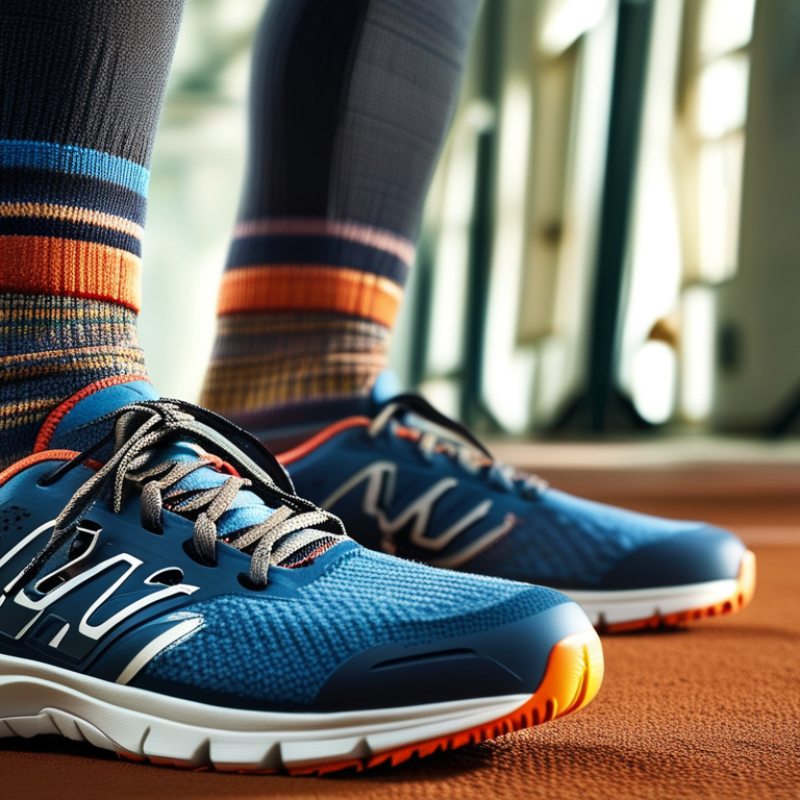
Traction socks are designed with specific features to enhance athletic performance. These socks often incorporate rubberized patterns or grips on the soles. This design helps prevent slipping during various activities. The added grip is especially beneficial for sports that require quick direction changes. Athletes can maintain better control and stability while running, jumping, or pivoting.
The materials used for traction socks also play a crucial role in their effectiveness. Most are made from a blend of breathable fabrics. This ensures comfort while maintaining grip. Some socks also feature moisture-wicking properties. Keeping feet dry reduces the risk of blisters. However, finding the right balance between grip and comfort can be challenging. Some users may feel restricted by the added texture. Testing different designs helps determine what works best for individual needs.
Understanding the construction of these socks is essential. A well-designed traction sock often has a snug fit without being too tight. This allows for better blood circulation during sports activities. Additionally, certain models may offer arch support. This enhances overall foot stability and reduces fatigue during extended play. Balancing performance features with comfort can lead to a more satisfying athletic experience.
Benefits of Traction Socks for Every Sport
Benefits of Traction Socks for Various Sports Activities
Traction socks are becoming increasingly popular across various sports. They feature specialized grips that provide enhanced stability. This is particularly beneficial for activities such as yoga, Pilates, and indoor sports like basketball or soccer. The additional grip helps athletes maintain balance and control during dynamic movements.
For runners, traction socks can reduce the risk of slipping on wet surfaces. A secure footing allows athletes to focus on their performance without the fear of losing their grip. These socks can also enhance comfort during prolonged activity, as many are designed with moisture-wicking properties. The right fit ensures that athletes do not experience blisters or discomfort, which can hinder performance.
While traction socks offer notable advantages, they may not be suitable for every individual. Some athletes might find them constricting or uncomfortable. It's important for users to experiment and assess what works for their unique needs. Safety and comfort should always come first when choosing sports gear.
Enhanced Performance Through Improved Grip and Stability
Traction socks have become a game-changer for athletes in various sports. The enhanced grip they provide can help prevent slipping during intense movements. When players feel secure in their footing, they can focus better on their performance. This leads to faster, more precise movements on the field, court, or track.
Stability is another significant benefit of traction socks. A stable stance gives athletes confidence. For instance, in basketball, having solid grip means stronger landings after jumps. This reduces the risk of injuries. However, not every player appreciates the feeling of tighter socks. Some athletes may find them uncomfortable at first.
Using traction socks can be a surprisingly personal choice for athletes. Individual preferences play a huge role in their effectiveness. It's essential to test different options to discover what works best. A perfect fit will change the game; a poor choice could lead to distractions. The right traction socks can transform performance, yet they may not be suitable for everyone. Finding the balance is key.
What Are the Benefits of Traction Socks for Every Sport? - Enhanced Performance Through Improved Grip and Stability
| Sport |
Benefits of Traction Socks |
Enhanced Performance Aspects |
| Soccer |
Improved grip on cleats |
Better traction on the field |
| Basketball |
Reduced slipping in shoes |
Increased stability during cuts |
| Running |
Enhanced grip on various surfaces |
Improved comfort and speed |
| Yoga |
Prevention of slipping on mats |
Enhanced balance and posture |
| Cycling |
Better foot placement in shoes |
Increased efficiency in pedaling |
Injury Prevention and Comfort Offered by Traction Socks
Traction socks are gaining attention among athletes. Their design enhances grip during sports activities. According to recent studies, over 56% of athletes report fewer slips and falls when wearing these specialized socks. This is crucial in sports such as basketball, football, and soccer, where quick lateral movements are common.
Injury prevention is a significant aspect of traction socks. They feature textured soles that reduce the risk of ankle sprains. A report from the American Orthopaedic Society for Sports Medicine indicates that injuries due to slipping account for 30% of all sports-related injuries. Proper footwear, including traction socks, can minimize this risk. Comfortable socks lead to improved performance. They help maintain focus, reducing distractions from discomfort during critical moments in a game.
Yet, not all traction socks perform equally. The materials used can vary, impacting breathability and moisture management. Athletes must assess their specific needs and environments for the best fit. While the benefits are clear, there is still room for improvement in design and material choices to ensure maximum safety and comfort during play.
Choosing the Right Traction Socks for Your Sport Needs
Choosing the right traction socks for your sport needs can enhance performance and prevent injuries. Different sports require specific sock features. For instance, basketball players benefit from extra grip and cushioning. Soccer players need breathable fabric that supports quick movements. Understanding these unique demands is crucial.
When selecting traction socks, consider the material. Look for moisture-wicking fabrics. They keep your feet dry and reduce friction. The fit is equally important. Socks should fit snugly without being too tight. This minimizes blisters and discomfort during play. Also, pay attention to the sock length. Crew-length socks can offer ankle support, while ankle-length socks may provide better mobility.
Not all socks work for every sport. Some athletes might overlook this, thinking all traction socks are the same. This misconception can lead to poor performance. Reflect on your sport's specific requirements. Do you need extra padding or breathability? Test different designs to find what works best. The right choice can significantly impact your game.