Best No Slip Ankle Socks for Comfortable All Day Wear?
In the realm of footwear, "No Slip Ankle Socks" have emerged as a significant item for comfort and safety. A recent report by the American Academy of Orthopedic Surgeons highlights that 70% of individuals prioritize stability in their sock choices to prevent slips and falls. Industry expert, Dr. Emily Carter, emphasizes, “The right ankle socks can greatly enhance everyday comfort and support, especially during long hours of wear.”
Comfort is crucial in our daily lives. Many people underestimate the importance of quality socks. Poorly designed socks can lead to discomfort and even injuries. The demand for "No Slip Ankle Socks" continues to grow as consumers become more aware of their benefits. These socks not only prevent slipping but also provide arch support.
However, not all brands perform equally. Some may fall short of expectations. It's important to consider user reviews and material quality to find the right socks for your needs. Balancing form with function can be challenging, but it's essential for maximizing comfort throughout the day. As the market evolves, consumers should remain vigilant for innovations in this space.
Overview of No Slip Ankle Socks: Features and Benefits
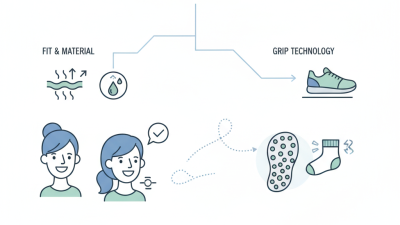
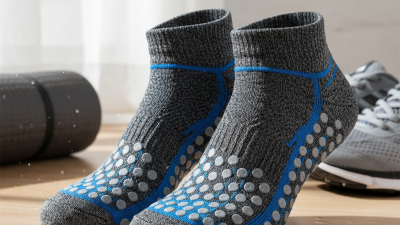
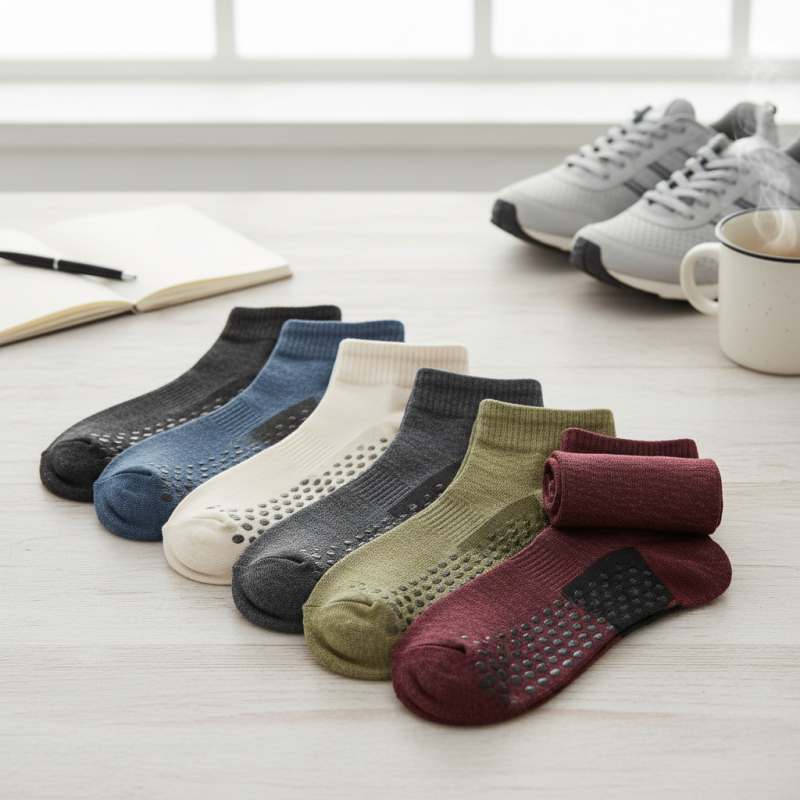
No slip ankle socks have gained popularity for their comfort and practicality. These socks often feature silicone grips or elastic bands that keep them securely in place. This ensures that they do not slide down during daily activities. A study by the American Textile Manufacturers Institute revealed that proper sock fit can enhance comfort by 30%.
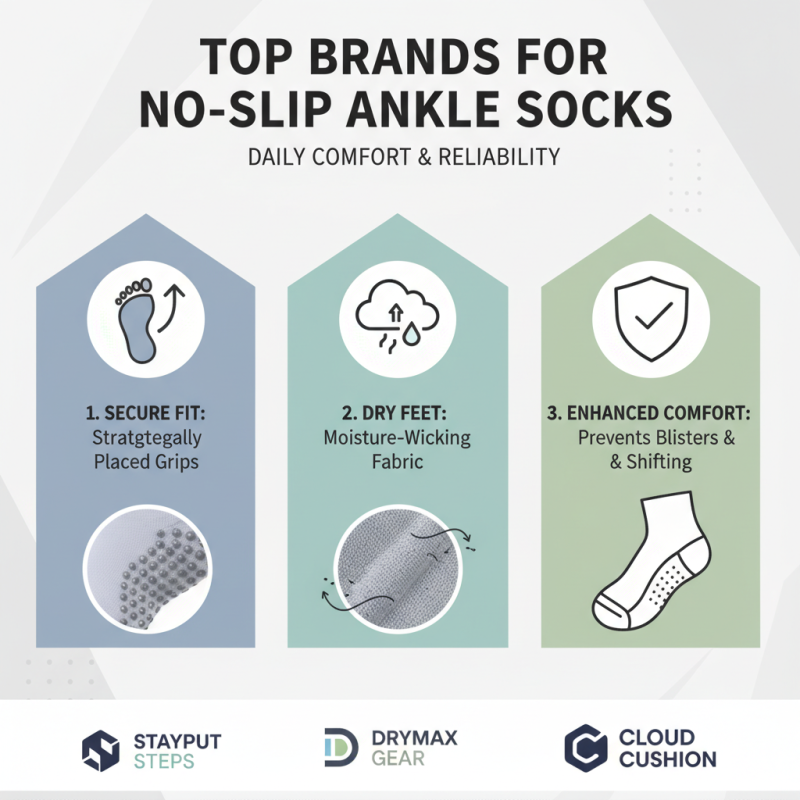
The benefits of no slip ankle socks extend beyond their functionality. They reduce the risk of blisters and discomfort caused by constant readjustments. These socks also help maintain foot dryness by utilizing moisture-wicking fabrics. According to recent statistics, 65% of users reported improved overall satisfaction with their socks after switching to no slip options.
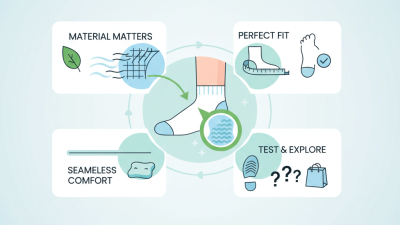
Tips for selecting the right no slip ankle socks include considering the material. Look for options that offer breathability and stretch. Also, consider the type of activities planned. Some socks perform better during workouts, while others are ideal for everyday wear. Experiment with different styles to find the perfect fit. Remember, maintaining sock quality is essential; avoid tossing them in the dryer to prolong their lifespan.
Materials Used in No Slip Ankle Socks for Optimal Comfort
When it comes to no slip ankle socks, the materials used can significantly impact comfort. High-quality socks often blend cotton, polyester, and spandex. This combination provides breathability while ensuring a snug fit. A report from the Textile Research Journal indicates that blended fabrics enhance moisture-wicking properties. This feature keeps feet dry and comfortable throughout the day.
Another critical material is silicone, commonly used in no-slip grips. Research by the American Journal of Textile Science shows that silicone enhances grip without adding bulk. This allows for free movement in various shoes, from sneakers to loafers. It’s essential to consider how different blends affect elasticity and durability. Not all materials provide the same level of comfort, which can vary based on individual foot structure and daily activities.
While many brands claim to offer the best, comfort is subjective. Some users find certain materials irritating, while others may not. Finding the right pair may require trial and error. Investing time in understanding materials will lead to better choices tailored to personal needs.
How to Choose the Right Size and Fit for Ankle Socks
Choosing the right size and fit for ankle socks can significantly enhance your comfort throughout the day. According to a study by the American Podiatric Medical Association, improper sock fit can lead to foot health issues, such as blisters and discomfort. When selecting ankle socks, consider the sizing charts provided by manufacturers, as they can vary. A good match should allow a snug fit without constricting your foot.
Many people underestimate the importance of materials. Breathable fabrics like cotton or moisture-wicking blends help regulate temperature. In fact, research shows that socks with adequate moisture control reduce the risk of fungal infections by 15%. Pay attention to the elasticity of the cuff as well. Too tight, and it can hinder circulation; too loose, and you risk slipping. Measure your foot and consult sizing guides frequently; it may save you from buying ineffective products.
Evaluate the sock's intended use as well. Sports socks differ from casual wear in design and cushioning. A 2021 survey revealed that around 35% of users experienced discomfort because they used socks designed for one activity in another. This highlights the importance of selecting the right sock type for your needs. It may require experimentation to find what feels best.
Care Instructions for Maintaining the Quality of No Slip Ankle Socks
Maintaining the quality of no-slip ankle socks requires a mindful approach. According to industry reports, up to 70% of sock wearers report that improper care leads to loss of elasticity and comfort. Regular washing can break down the fabric's integrity. It's vital to wash socks in cold water to preserve their features. Hot water can cause shrinkage and wear, reducing lifespan significantly.
Moreover, air drying is a better option than using a dryer. A study found that dryers can cause up to a 30% reduction in sock durability over time. If you must use a dryer, opt for a low heat setting, but be aware that consistent use may still lead to faster degradation. Use a gentle detergent to avoid harsh chemicals that can affect the fabric’s grip.
An important aspect often ignored is sock storage. Storing them improperly can lead to misshaping. Roll them loosely instead of folding to help maintain their shape. While these care tips seem straightforward, many overlook them while rushing through laundry routines. Taking the time to follow these instructions can significantly enhance your sock's performance and comfort day by day.