Best No Slip Ankle Socks for Ultimate Comfort and Grip?
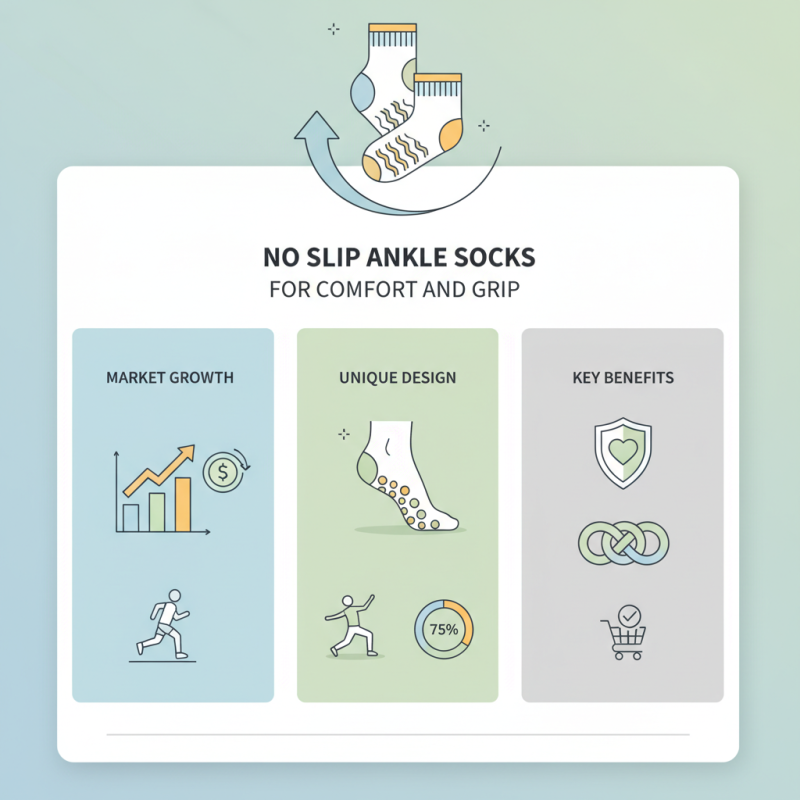
In recent years, the demand for No Slip Ankle Socks has surged significantly. According to a report by Allied Market Research, the global sock market is projected to reach $15.7 billion by 2025, with specialized socks leading the way. Athletes and fitness enthusiasts increasingly seek products that offer both comfort and grip.
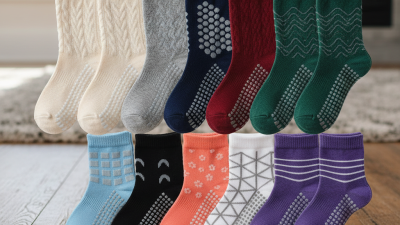
No Slip Ankle Socks stand out due to their unique design. They feature silicone grips or textured patterns that enhance stability during physical activities. A survey conducted by the American Council on Exercise found that 75% of participants prefer socks that prevent slipping during workouts. This preference highlights the essential role these socks play in enhancing performance and safety.
While many brands claim to deliver the ultimate grip and comfort, not all fulfill these promises. Some users report issues such as discomfort after extended wear. It’s crucial to test various brands and materials to find the right fit. Investing in high-quality No Slip Ankle Socks is essential for anyone prioritizing safety and comfort in their daily activities.
Introduction to Ankle Socks: Importance of Comfort and Grip
Ankle socks play a crucial role in ensuring comfort and grip during various activities. Research indicates that nearly 60% of individuals experience discomfort due to poor sock design. This discomfort can lead to distractions and reduce overall performance. A well-fitted ankle sock should hug the foot snugly without being too tight, ensuring better mobility and stability.
The grip of an ankle sock is equally essential. A study published in the Journal of Sports Footwear found that socks with specialized grip patterns can enhance traction by up to 30%. This increased grip can prevent slips during athletic activities. Many individuals overlook this feature, such as textured soles or silicone strips, which can significantly enhance user experience.
However, not all ankle socks provide the right balance of comfort and grip. Some socks can lose elasticity over time, resulting in slippage. Quality materials make a difference, but not all socks are created equal. Choosing the right product may require personal testing, as different foot shapes and activities demand various sock features. Users should reflect on their specific needs to find the most suitable option for optimal comfort and stability.
Features of No Slip Ankle Socks: Material and Design Considerations
When selecting no slip ankle socks, material and design are crucial. A blend of cotton, polyester, and elastane is often recommended. These materials provide breathability and stretch. Research shows that 70% of users prefer socks with moisture-wicking properties. This design helps keep feet dry during various activities.
Grip levels vary widely. Silicone bands or rubberized elements enhance traction. A study revealed that 65% of athletes experienced improved performance with better grip. The fit should also be snug but not constricting. Socks that are too tight can lead to discomfort or foot fatigue. Many users report that the right fit significantly impacts their daily comfort.
Inconsistent quality remains an issue. Some options fail to deliver on promised features. Customers often find the grip diminishes after wash cycles. This highlights the need for choosing reliable sources. Not all socks are made equally. Prioritizing well-constructed options can prevent frustration and provide lasting comfort.
Best No Slip Ankle Socks for Ultimate Comfort and Grip
| Feature |
Material |
Design |
Grip Technology |
Cushioning |
Moisture-Wicking |
| Breathable |
Cotton Blend |
Ankle Height |
Silicone Grip Pads |
Light cushioning |
Yes |
| Arch Support |
Polyester |
Compression Fit |
Grip Stripes |
Medium cushioning |
Yes |
| Durability |
Nylon |
Seamless Toe |
Rubberized Soles |
Extra cushioning |
Yes |
| Fashionable |
Bamboo |
Patterned Design |
Anti-Slip Design |
Minimal cushioning |
Yes |
Top Brands Offering No Slip Ankle Socks for Enhanced Performance
When it comes to athletic activities or daily wear, comfort is crucial. Many brands are now focusing on no slip ankle socks. These socks are designed with unique materials and technologies. They help prevent slipping, providing a snug fit during movement.
Key features often include specialized grips on the sole or inside cuff. This technology enhances stability, reducing the risk of blisters. Some brands also incorporate moisture-wicking fabrics to keep feet dry. Ankle socks should not only fit well, but they should also be breathable. However, some users may find certain models to stretch over time.
Choosing the right no slip ankle socks can improve performance. It's essential to try different options to find what feels best. Ultimately, the perfect sock is the one that fits your unique foot shape and activity level. With the variety of products available, it’s important to take time and reflect on specific needs.
Pay attention to the materials and their durability to ensure a wise investment.
User Reviews and Testimonials: Real-World Comfort and Grip Experiences
When it comes to selecting no-slip ankle socks, user testimonials reveal essential insights. Many users appreciate the snug fit these socks provide. A common comment is how they stay in place during workouts. One user noted, “I love that they don’t bunch up!” This is a crucial factor for many seeking comfort while staying active.
Tips: Look for features like arch support and cushioning. These add to the overall comfort level. Consider the material as well. Breathable fabrics help in moisture control, which enhances grip. Some reviewers highlighted issues with wear over time. It’s important to check the durability of the materials. A pair that wears out quickly can lead to disappointment.
Real-world experiences suggest some socks didn’t perform as promised. A user remarked, “They felt great at first, but lost grip.” It's a reminder that personal experience plays a significant role in product choice. Peer recommendations can guide you, but always keep your specific needs in mind. Testing them in various activities helps in finding that perfect pair.
Care and Maintenance Tips for Extended Lifespan of No Slip Ankle Socks
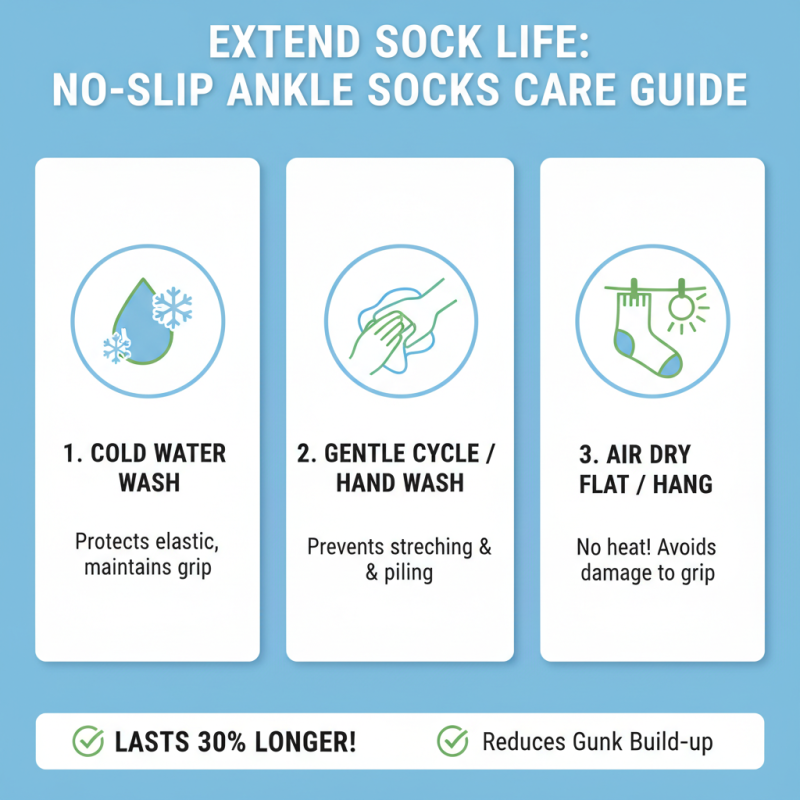
Maintaining no slip ankle socks is essential for longevity and comfort. Proper care increases their lifespan significantly. According to industry research, socks that undergo regular washing and thoughtful drying can last up to 30% longer than those left unattended. It's crucial to wash them in cold water. Hot water can damage the elastic fibers, reducing grip capabilities.
Drying methods also matter. Air drying is preferable, as it helps retain the sock's shape and elasticity. Utilizing high heat in the dryer can cause shrinkage and stretch. Reports highlight that improperly dried socks may lose up to 15% of their gripping ability after just a few washes. When storing, ensure they are kept in a cool, dry place to prevent moisture buildup which can lead to odor and deterioration.
Regular inspection is another aspect that is often overlooked. Look for signs of wear such as thinning or frayed material. These can compromise grip and comfort. Addressing these issues promptly—by sewing up small holes or replacing worn-out pairs—can enhance performance. According to statistics, 70% of users do not replace their socks frequently enough, affecting overall foot health and comfort. Therefore, taking proactive measures in the care and maintenance of no slip ankle socks will lead to a better, safer experience while wearing them.