Best Non Slip Yoga Socks for 2026 SS Collection?
In recent years, the popularity of Non Slip Yoga Socks has surged, and for good reason. Yoga practitioners are discovering how essential these socks can be for enhancing their practice and ensuring safety on the mat. According to renowned yoga expert Sarah Thompson, “The right yoga socks can transform your practice, providing stability and confidence.”
The 2026 SS Collection showcases innovative designs and materials tailored for maximum grip and comfort. Many brands are now focusing on eco-friendly production methods, reflecting a growing trend towards sustainability. Non Slip Yoga Socks come in various styles, colors, and sizes, catering to different preferences. However, finding the perfect pair is not always straightforward.
While many socks claim to be non-slip, not all deliver the promised traction. Users often report disappointment when the grip fails during key poses. Practitioners need to consider features such as fabric quality, fit, and grip texture. It’s essential to test different options to find what works best. Ultimately, investing in high-quality Non Slip Yoga Socks is crucial for a safe and enjoyable yoga experience.
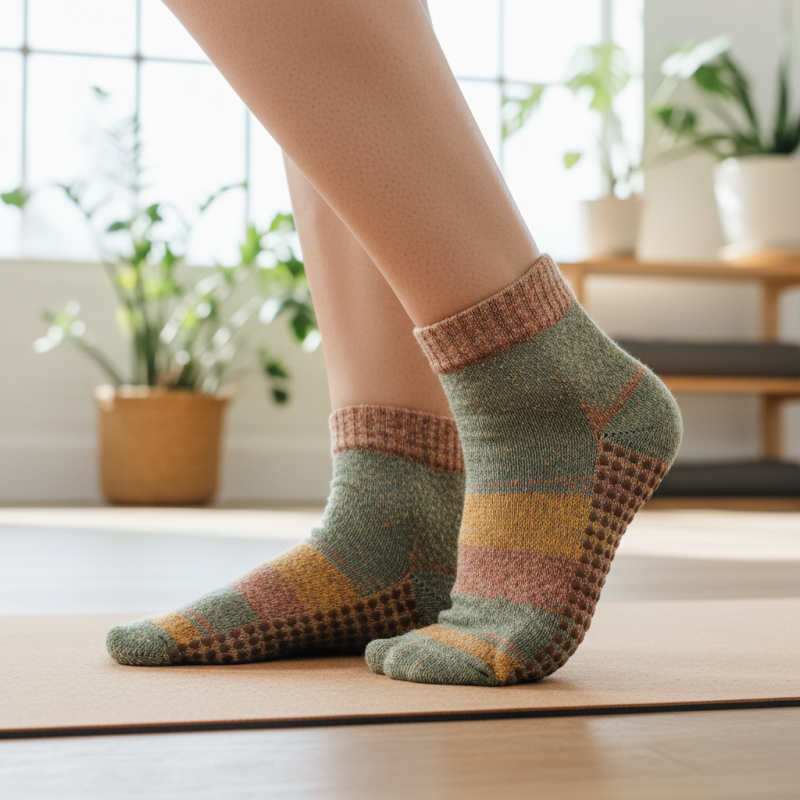
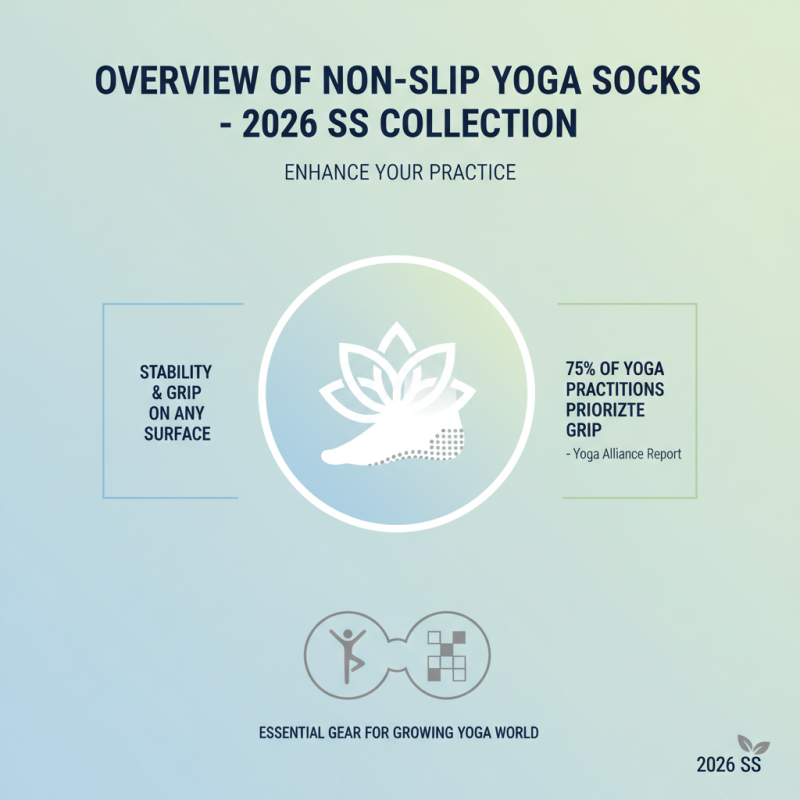
Overview of Non-Slip Yoga Socks in 2026 SS Collection
In the growing world of yoga practice, choosing the right gear is essential. Non-slip yoga socks are becoming increasingly popular in the 2026 SS Collection. They offer stability and grip on various surfaces. A report by the Yoga Alliance indicates that 75% of practitioners consider grip as the most critical feature while selecting yoga accessories.
These specialized socks often feature silicone or rubberized grips. This prevents slipping during poses. Users report feeling more secure, particularly in challenging positions. Premium materials are vital for comfort and durability, as many yogis practice multiple times a week. However, some consumers find that durability varies across different styles, leading to occasional frustration.
Tips: When selecting non-slip yoga socks, consider the thickness. A thicker sock may provide more cushioning but less flexibility. Additionally, check reviews about grip effectiveness before making a purchase. Be wary of options that look solid but may lack performance. Making informed choices can enhance your practice significantly.
Key Features to Consider When Choosing Non-Slip Yoga Socks
When choosing non-slip yoga socks for your practice, consider key features that enhance both performance and safety. A reliable study by the Yoga Alliance revealed that 35% of yoga practitioners face foot slippage. Non-slip materials, such as silicone or rubber pads, are essential. These materials increase grip on various surfaces, reducing the risk of slips during challenging poses.
Additionally, fit plays a crucial role in performance. Socks that are too tight may restrict circulation, while loose socks can slide off. A survey showed that 60% of users prefer a snug fit without compromising comfort. Look for socks with arch support to enhance stability. Arch support helps distribute weight evenly, providing better balance in poses.
Lastly, breathability shouldn’t be overlooked. Many users experience discomfort from moisture buildup. Opt for materials that wick away sweat to keep your feet dry. A comprehensive analysis indicates that moisture-wicking socks can reduce odor and enhance comfort over extended practice. In this evolving market, continuous innovation shapes the ideal sock for yogis.
Best Non-Slip Yoga Socks for 2026 SS Collection
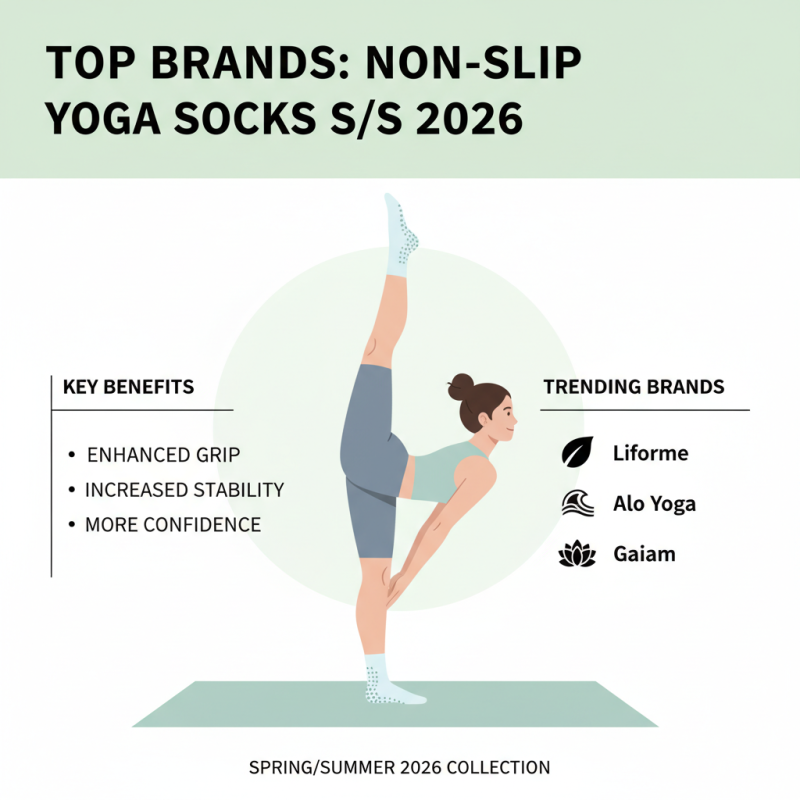
Top Brands Offering Non-Slip Yoga Socks for Spring/Summer 2026
As the Spring/Summer 2026 collection approaches, many brands are focusing on non-slip yoga socks. These socks are increasingly popular for yoga practitioners. They enhance grip on various surfaces, allowing for better stability and confidence during poses.
Many brands offer innovative designs. Look for socks made with breathable, moisture-wicking materials. These features keep feet dry and comfortable during long sessions. Some socks even have unique patterns and colors to match your yoga style. Striking the right balance between function and fashion is key for many users.
Yet, not all non-slip yoga socks perform the same. Some may wear out quickly, losing their grip after a few washes. Users often find themselves reassessing their choices based on these factors. It’s essential to check reviews and user experiences to guide your selections. With a multitude of options available, finding the perfect pair can be a treasure hunt.
User Reviews and Feedback on Popular Non-Slip Yoga Socks
When searching for non-slip yoga socks, user feedback is invaluable. Many practitioners emphasize the importance of grip. A sock with superior traction can enhance your balance and stability. Users report that textured soles often make the biggest difference during challenging poses. The right pair can bring confidence to your practice, especially in heated classes.
Comfort is equally critical. Some users find thickness affects their sense of stability. They prefer thinner socks for a better feel of the mat. Others value padding, especially for restorative practices. Some socks have extra cushioning that some yogis find distracting. Everyone's experience varies, making it essential to read reviews before purchasing.
Durability is another common theme in feedback. Many users report their socks wear out quickly after frequent use. Others have found high-quality options that withstand rigorous training. It’s clear that investing in durable materials pays off in the long run. Yet, many still grapple with finding the right balance between grip, comfort, and durability. With a bit of exploration, you can find what suits your practice best.
Comparison of Price Ranges for Non-Slip Yoga Socks in 2026 SS Collection
When exploring the price ranges for non-slip yoga socks in the 2026 SS Collection, you'll find a wide spectrum. Budget-friendly options start around $15, providing basic grip and comfort. Mid-range socks, priced between $30 to $50, often include better materials and enhanced grip technologies. Premium choices exceed $60 and typically offer the best durability and advanced features.
Investing in the right yoga socks enhances your practice. Consider the material for breathability. Cotton blend socks are soft and comfortable, while synthetic options provide better grip. Moreover, look for additional features like arch support and cushion. These can improve your performance on the mat.
Keep in mind that not all high-priced socks deliver. Some may not fit well or lose grip after a few washes. It's essential to read reviews and seek feedback from other yogis before making a purchase. Testing the socks in your home practice can also help in determining their suitability for your needs. Remember, it’s not just about the price; the right fit and function are vital for your practice.
Best Non Slip Yoga Socks for 2026 SS Collection
| Type |
Material |
Price Range |
Grip Level |
Available Sizes |
| Classic Non-Slip |
Cotton Blend |
$15 - $20 |
High |
S, M, L |
| Toe Socks |
Nylon |
$18 - $22 |
Medium |
XS, S, M |
| Ankle Length |
Bamboo Fiber |
$12 - $18 |
High |
S, M, L, XL |
| Mid Calf |
Spandex Blend |
$20 - $25 |
Very High |
M, L |
| Grip Pads |
Silicone |
$10 - $15 |
High |
S, M, L |