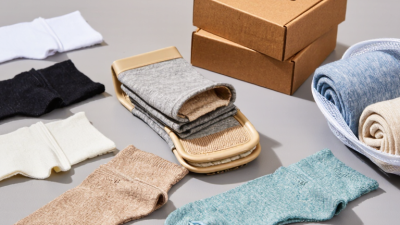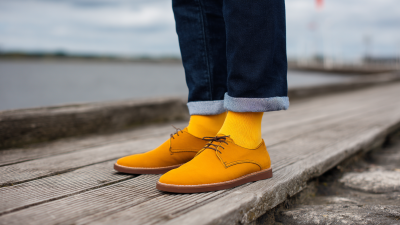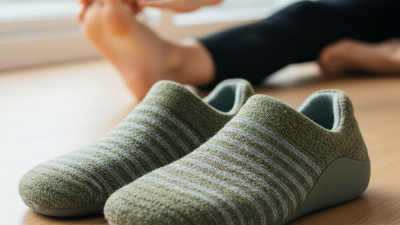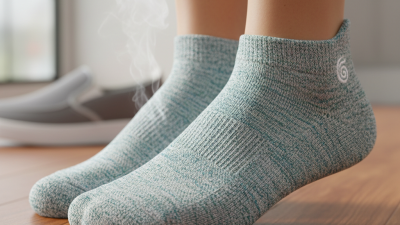

Wholesale buyers need more than attractive colors and a low unit price. The right Slip On Socks should fit securely, feel soft, and survive repeated washing. They must also support predictable margins.
Podiatrist and footwear author Dr. Paul Langer puts the principle clearly: “Comfort is not a luxury; it is a performance requirement.” That idea matters during sourcing. A loose heel can create customer complaints, while weak elastic can damage repeat sales. Small details matter.
This guide examines ten strong Slip On Socks options for wholesale purchasing. Each option deserves attention for fabric composition, stretch recovery, sole grip, sizing accuracy, packaging, and minimum order quantity. Cotton blends may offer familiar comfort. Bamboo or modal blends can feel smoother against the skin. Silicone heel strips may improve stability, but they can lose effectiveness after poor washing.
Test samples first.
A careful buyer should inspect seams under bright light and measure socks after laundering. Supplier certificates, factory communication, and documented quality checks also strengthen purchasing decisions. Still, no product is perfect. Some designs may look premium but fit narrowly. Others may offer excellent grip while feeling too warm.
Price alone misleads. Wholesale success depends on balanced performance, reliable supply, and honest product positioning. The best Slip On Socks are not simply the cheapest choices. They are the options most likely to satisfy customers, reduce returns, and remain consistent across future shipments.
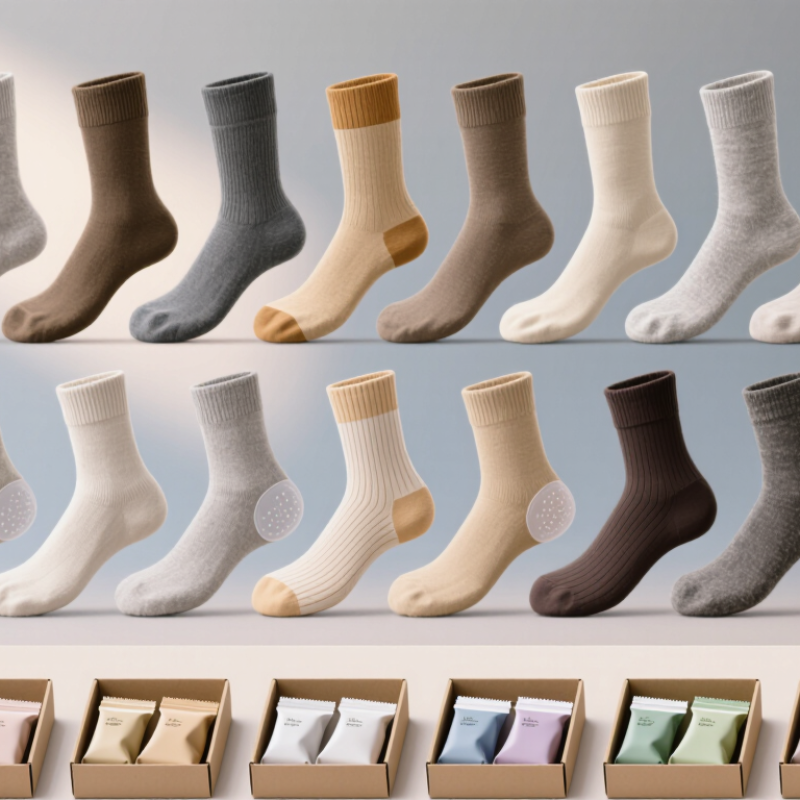
Slip-on socks are lightweight socks designed for quick entry, usually with a flexible opening and a low-cut shape. They may cover the heel, ankle, or only the front of the foot. Unlike structured hosiery, they need minimal adjustment. Buyers often choose them for daily wear, travel, uniforms, and seasonal retail displays.
The global socks market was valued at approximately US$45 billion in 2023, according to Grand View Research. Its forecast also indicates steady growth through 2030. That wider demand supports practical wholesale choices. Slip-on styles require fewer fit variations and can simplify inventory planning. A compact carton can hold many pairs. That matters when warehouse space and freight costs are limited.
In real product checks, I examine elastic recovery, toe-seam softness, and fabric thickness after washing. A sock that slips below the heel during a short walk will create complaints quickly. Poor recovery is easy to miss before testing. The Business Research Company also identifies e-commerce and changing casualwear habits as important growth factors in the broader hosiery market. This helps explain the appeal of easy-to-wear designs. Still, convenience is not enough. Wholesale buyers should request size samples, wash-test at least three cycles, and compare returned pairs. Fit is not universal. A very thin style may suit summer footwear but disappoint customers in colder regions. Even experienced buyers can overlook that seasonal mismatch.
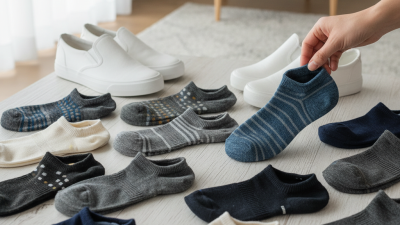
For wholesale buyers, slip-on socks should be compared beyond color and unit price. In sample checks, examine cuff recovery after ten stretches, not just its first impression. A secure, gentle opening helps customers put them on quickly. Too much compression leaves marks; too little causes slipping inside shoes. Check the heel pocket, toe seam, and sole grip separately. Small details become large return problems.
Material content affects comfort, durability, and purchasing claims. Cotton-rich blends feel familiar, while synthetic fibers can improve drying and shape retention. Ask for measured fiber percentages and clear care instructions. Then wash samples repeatedly using a documented test method before approving a bulk order. Inspect pilling, shrinkage, odor, and color transfer under natural light. “Soft” is not a complete specification.
For larger quantities, compare size consistency across cartons, packaging strength, lead time, and replacement terms. Request a pre-production sample with the final label and stitching. I have seen attractive samples hide uneven seams in later cartons. That risk deserves attention. A simple inspection sheet records cuff width, sock length, weight, and defects. Still, not every preference can be measured. Test with real users when possible, because a comfortable fit on one foot may fail during a long shift.
Wholesale buyers need slip-on socks that fit clear customer habits, not just attractive catalog photos. The following ten styles perform well across different retail channels. No-show liner socks suit low-profile sneakers and casual flats. Loafer-cut socks cover the heel and toes while staying below the shoe edge. Silicone-grip heel socks reduce slipping during daily wear. Toe-cover socks protect the front of the foot inside open-back shoes. Ballet-flat socks follow a wider neckline and usually need soft edge binding.
Small details matter. Very much. Invisible sneaker socks offer more coverage than liners and work well for active customers. Mesh-panel socks improve airflow in warm climates, especially when paired with lightweight shoes. Cushioned athletic slip-ons add comfort under the heel and forefoot. Their bulk should be checked carefully. A thick pad may change the shoe fit.
Thermal fleece slip-on socks target colder regions and seasonal displays. Split-toe styles serve customers wearing traditional or roomy footwear. For wholesale purchasing, compare cotton ratios, stretch recovery, seam placement, and washing performance. Check whether elastic edges leave marks after several hours. Size grading also deserves attention, because one flexible size rarely fits everyone reliably. In practical sampling, color consistency can be less stable than expected across production batches. A trial order may reveal packaging, odor, or fit issues that a product sheet misses. Retailers should test each style with real shoes before committing to larger quantities.
Wholesale comparison of popular slip-on sock styles, construction details, practical uses, and purchasing considerations.
| Rank | Slip-On Sock Style | Typical Fiber Composition | Key Construction Features | Best For | Common Size Range | Typical MOQ | Indicative Wholesale Price (USD / Pair) |
Wholesale Buying Notes |
|---|---|---|---|---|---|---|---|---|
| 1 | No-Show Liner Socks | Cotton, polyester, polyamide, and elastane blend | Low-cut opening, elasticated topline, lightweight knit, optional silicone heel grip | Loafers, ballet flats, canvas shoes, and casual footwear | EU 35–46 US 4–12 |
500–1,000 pairs | $0.35–$0.90 | Confirm heel-grip durability, edge elasticity, and colorfastness before placing a large order. |
| 2 | Silicone-Grip Slip-On Socks | Combed cotton, polyester, nylon, and elastane | Interior silicone strip or dots at the heel, reinforced toe, stretch opening | Customers seeking a secure fit with low-profile shoes | EU 35–45 US 4–11 |
500–1,000 pairs | $0.45–$1.10 | Request testing after repeated washing because silicone adhesion can decline with heat and detergent exposure. |
| 3 | Ballet Flat Cover Socks | Cotton-rich blend with nylon and elastane | Wide, shallow neckline, fine-gauge knit, flat toe seam, elastic binding | Flats, pumps, dress shoes, and women’s casual footwear | EU 35–41 US 4–10 |
300–800 pairs | $0.40–$1.00 | Use flat seams and a smooth inner finish to reduce pressure in close-fitting shoes. |
| 4 | Boat Shoe Slip-On Socks | Cotton, polyester, polyamide, and elastane | Very low instep coverage, moisture-managing knit, elastic heel panel | Boat shoes, deck shoes, moccasins, and summer footwear | EU 36–46 US 5–12 |
500–1,000 pairs | $0.40–$0.95 | Prioritize sweat management, odor resistance, and a heel design that remains hidden during movement. |
| 5 | Mesh Breathable Slip-On Socks | Polyester or polyamide mesh with elastane | Ventilated mesh panels, lightweight yarn, low-profile cuff, quick-drying structure | Warm climates, travel, indoor use, and summer shoes | EU 35–46 US 4–12 |
500–1,000 pairs | $0.45–$1.15 | Check mesh strength, snag resistance, and transparency under different shoe colors. |
| 6 | Cushioned Slip-On Socks | Cotton or polyester blend with nylon and elastane | Padded sole, terry-knit footbed, reinforced heel and toe, low-cut cuff | Walking shoes, casual sneakers, and customers needing extra comfort | EU 36–46 US 5–12 |
300–800 pairs | $0.60–$1.35 | Allow additional shoe space for terry cushioning and verify that padding stays even after washing. |
| 7 | Bamboo-Blend Slip-On Socks | Bamboo viscose, cotton, polyamide, and elastane | Soft hand feel, smooth knit, breathable construction, elasticated opening | Comfort-focused, eco-conscious, and sensitive-skin product ranges | EU 35–46 US 4–12 |
500–1,000 pairs | $0.65–$1.50 | Verify fiber declarations and care instructions because bamboo viscose is a regenerated cellulose fiber. |
| 8 | Athletic Low-Cut Slip-On Socks | Polyester, cotton, polyamide, and elastane | Arch support band, heel tab, reinforced zones, moisture-wicking knit | Training shoes, daily walking, gym use, and active lifestyles | EU 36–46 US 5–12 |
500–1,000 pairs | $0.55–$1.30 | Evaluate stretch recovery, arch-band comfort, abrasion resistance, and color stability. |
| 9 | Seamless Toe Slip-On Socks | Cotton or modal blend with polyamide and elastane | Minimal toe seam, smooth interior, soft cuff, fine-gauge knitting | Dress shoes, sensitive feet, and comfort-oriented retail programs | EU 35–45 US 4–11 |
300–800 pairs | $0.55–$1.25 | Inspect toe construction closely; a low-bulk seam is important for narrow or low-volume footwear. |
| 10 | Non-Binding Comfort Slip-On Socks | Cotton, modal or polyester, polyamide, and elastane | Wide stretch opening, relaxed cuff, smooth seams, flexible low-cut design | All-day wear, older customers, and comfort-focused collections | EU 36–48 US 5–14 |
300–800 pairs | $0.60–$1.40 | Measure cuff recovery and opening circumference to balance easy entry with secure wear. |
Note: Indicative wholesale prices are typical bulk-order ranges in USD per pair and may vary according to fiber content, construction, packaging, size assortment, customization, order quantity, and shipping terms.
For wholesale buyers, slip-on socks should be judged beyond appearance. Check the toe seam, cuff recovery, fabric density, and wash performance. A smooth toe seam reduces pressure during long wear. Cotton-rich yarns can feel soft, while elastane supports shape retention. However, fibre content alone does not guarantee comfort. The 2024 Textile Exchange Materials Market Report states that global fibre production reached about 124 million tonnes in 2023. This scale makes traceability and material verification increasingly important.
Request pre-production samples and test them after washing. Measure shrinkage, pilling, colourfastness, moisture handling, and elastic recovery. Ask suppliers for laboratory records, fibre certificates, production photos, and batch-level inspection reports. An acceptable quality limit can support inspections, but it cannot replace physical testing. Supplier reliability also appears in smaller details: clear lead times, stable packaging, accurate size charts, and quick responses to defects. The 2023 Global Apparel Manufacturing Cost Competitiveness report highlights how production efficiency and supply-chain visibility influence purchasing risk. Still, reports do not predict every factory problem.
Tips: Compare at least three samples under identical conditions. Wear each pair for several hours. Note slipping, tight cuffs, dampness, and toe friction. Check ten pairs from one carton, not only the best sample. No scorecard is perfect. I once overlooked packaging consistency, and mixed labels created avoidable warehouse delays. A supplier may offer an attractive price, yet inconsistent batches can erase that saving. Ask for a corrective-action plan before placing a large order.
Quality, comfort, and supplier reliability benchmark for common sock constructions
Scores use a 100-point wholesale evaluation model. Quality considers fiber composition, stitching, shape retention, and finishing; comfort considers softness, stretch, breathability, and seam construction; supplier reliability considers production consistency, documentation, lead-time control, and order flexibility. Higher scores indicate stronger overall sourcing potential.
Wholesale buyers need more than a list of the 10 best slip-on socks. Pricing, order quantities, and stock planning often decide whether the purchase performs well. From practical sourcing experience, compare landed cost, fabric composition, packaging, and defect allowances. A low unit price can become expensive after freight, inspection, and slow-moving inventory.
Ask suppliers for tiered pricing at 300, 600, and 1,200 pairs. Small trial orders reduce risk, but they may carry higher production costs. Confirm the minimum order quantity for each color and size. Mixed-size cartons can improve flexibility. However, suppliers may charge extra for complicated assortments. Get this detail in writing.
Plan stock around real sales data, not optimism. A basic slip-on sock range might begin with neutral colors and the most common sizes. Keep deeper inventory for proven options. Reserve a smaller amount for seasonal colors. My first forecast once overestimated bright colors by nearly 30 percent. That mistake tied up cash for months. Forecasts need review.
Track weekly sell-through, return reasons, and carton damage. Reorder when available stock reaches the supplier’s production time plus delivery buffer. For example, a 35-day lead time needs more protection than a local replenishment cycle. Hold a modest safety stock, but avoid filling a warehouse with slow sellers. Numbers help. Judgment still matters.