China Best Pilates Crew Socks for Global Buyers in 2026?
In recent years, the demand for Pilates Crew Socks has surged as more consumers embrace the Pilates lifestyle. According to a report by the International Health, Racquet & Sportsclub Association (IHRSA), the Pilates segment has grown by over 25% annually. Notably, this trend is expected to continue into 2026, with a projected increase in global Pilates participants. Industry expert Rachel Turner highlights, "The right gear, starting with quality socks, can greatly enhance performance and comfort during Pilates sessions.”
As buyers seek to invest in top-quality Pilates Crew Socks, manufacturers must adapt to evolving preferences. There is a notable emphasis on moisture-wicking fabrics and stylish designs. However, some brands still struggle to maintain durability while providing optimal comfort. “Many consumers are unaware that not all socks are created equal,” says footwear specialist Mark Lewis.
Global buyers are increasingly looking for sustainable practices in production. Yet, some manufacturers continue outdated practices that may harm the environment. This reflects the need for a more conscious approach in the production of Pilates Crew Socks. As the market evolves, ensuring quality while addressing ethical considerations is paramount for long-term success.
China's Growing Market for Pilates Crew Socks in 2026
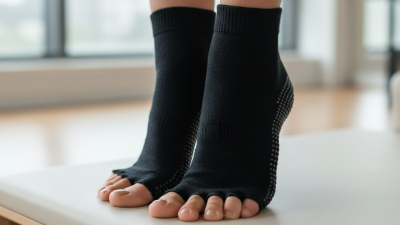
In 2026, the demand for Pilates crew socks in China is set to surge. The growing popularity of Pilates as a fitness choice has led to increased interest in specialized gear. Consumers seek high-quality, comfortable socks that enhance their workout experience. Many buyers are looking for properties like moisture-wicking fabric and non-slip grips for better performance.
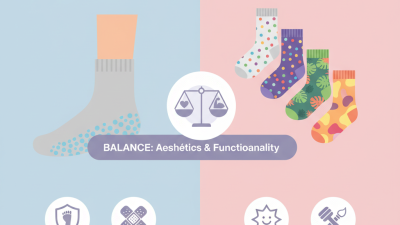
While the market offers various choices, not all products meet the expected standards. Some socks lack durability. Customer feedback often highlights issues with fit and support. Therefore, buyers need to be discerning. They should prioritize socks that balance comfort with functionality. Investing in a reliable product can greatly impact workout outcomes.
As more manufacturers enter the market, price competition will likely intensify. This may lead to both positive and negative consequences. On one hand, it could result in more affordable options for consumers. On the other hand, it may lead to a decline in quality if companies compromise materials. Overall, the Pilates crew sock market in China is evolving, and buyers should remain vigilant.
Key Features of High-Quality Pilates Crew Socks
When selecting high-quality Pilates crew socks, certain features stand out. Breathability is essential for comfort during workouts. Socks made from moisture-wicking materials keep feet dry. This helps prevent odors and blisters. Look for designs with mesh panels. They enhance airflow and provide ventilation where it is needed most.
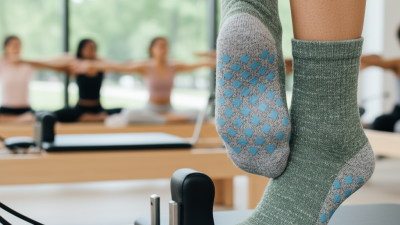
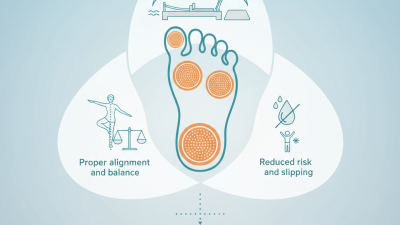
Grip is another crucial feature. Non-slip soles made from rubber or silicone ensure stability during exercises. This prevents slipping and enhances safety. Socks should fit snugly but not be too tight. A well-fitted sock enhances support and allows for full range of motion.
Durability cannot be overlooked. High-quality socks withstand repeated washing and stretching. Look for reinforced toes and heels. These details extend the life of the product. Inconsistent quality can lead to rapid wear, which is frustrating. Consumers should read reviews and seek reliable recommendations.
Popular Designs and Styles Among Global Buyers
As the demand for Pilates crew socks continues to rise globally, certain designs and styles stand out. Many buyers favor vibrant colors and unique patterns. This reflects a shift in consumer preferences towards combining functionality with aesthetics. There’s a growing trend for eco-friendly materials, appealing to environmentally conscious customers.
When choosing socks, consider the fit and comfort. Ensure the socks provide enough support during workouts. However, be cautious about sizing; sometimes, manufacturers may vary in fitting. Research user reviews for insights into longevity and performance.
Many shoppers also prefer moisture-wicking properties. These features help keep feet dry and comfortable during intense sessions. Mesh panels in designs can enhance breathability. Keep an open mind about trying different brands and styles. Experimenting can reveal unexpected favorites, enriching your Pilates experience.
Sustainability Trends in the Production of Pilates Socks
Sustainability trends are reshaping the production of Pilates socks. As environmental concerns rise, manufacturers increasingly focus on eco-friendly materials. In fact, 70% of consumers prefer sustainable products. This shift drives innovation in materials like organic cotton and recycled polyester.
Recent reports indicate that the global sustainable textile market is expected to reach $8.25 billion by 2026. This change is not just about materials; it also involves ethical labor practices. Approximately 40% of consumers want transparency in sourcing. Companies must rethink supply chains to meet these demands.
Production techniques are also evolving. Many brands now prioritize energy-efficient processes. However, challenges remain. Not all manufacturers can afford the switch, which can leave smaller companies behind. Balancing cost and sustainability is a complex task. The future of Pilates socks hinges on this intricate balance, pushing the industry toward a greener path.
Impact of International Trade Policies on Sock Exports from China
The international trade landscape is shifting, impacting China's sock exports. In recent years, trade policies have influenced production and distribution. These policies may include tariffs, quotas, and trade agreements that affect how socks reach global buyers.
China's sock industry faces challenges due to shifting regulations. Manufacturers must navigate complex customs procedures and compliance standards.
For instance, new tariff rates can make Chinese socks less competitive in international markets. This situation may force factories to rethink their export strategies or invest in different production techniques.
While China's expertise in producing high-quality socks remains, the impact of trade policies cannot be overlooked. Some manufacturers struggle to keep up with fluctuating demands and regulations. This can lead to production delays and higher costs for both producers and consumers.
An open dialogue on trade policies may be necessary for sustainable growth in the sock export market. Adapting to these changes is crucial for future competitiveness.