How to Choose No Slip Ankle Socks for Ultimate Comfort?
Choosing the right No Slip Ankle Socks can greatly enhance your comfort. Expert Jennifer Lee, a specialist in fabric technology, says, “The right socks can elevate your entire experience.” With various options available, making a thoughtful selection is essential.
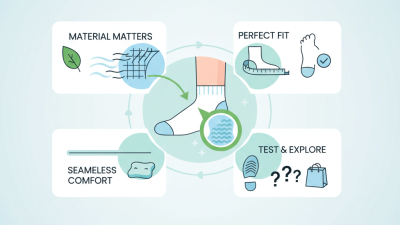
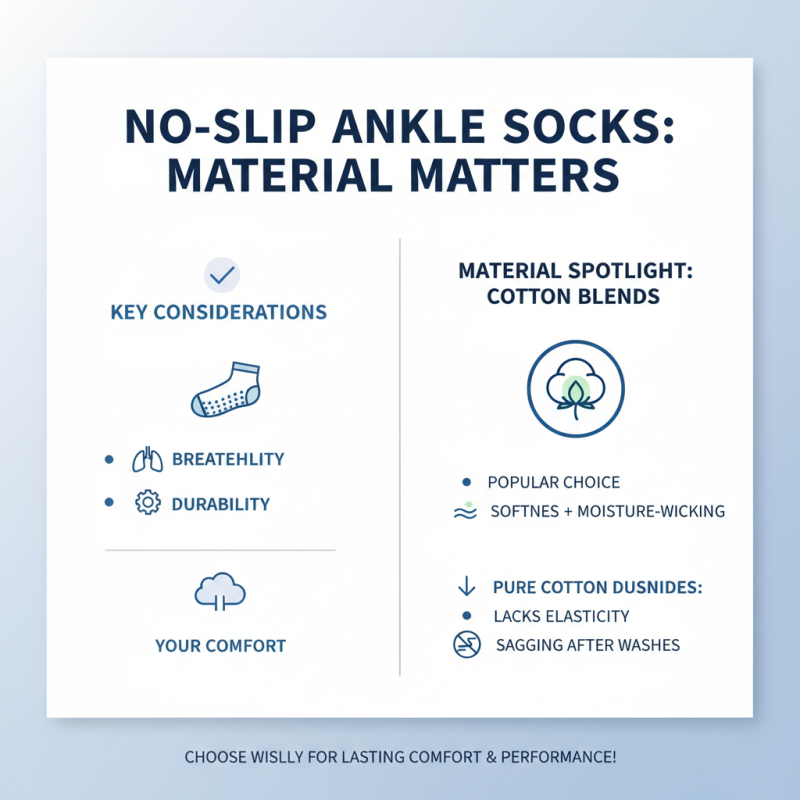
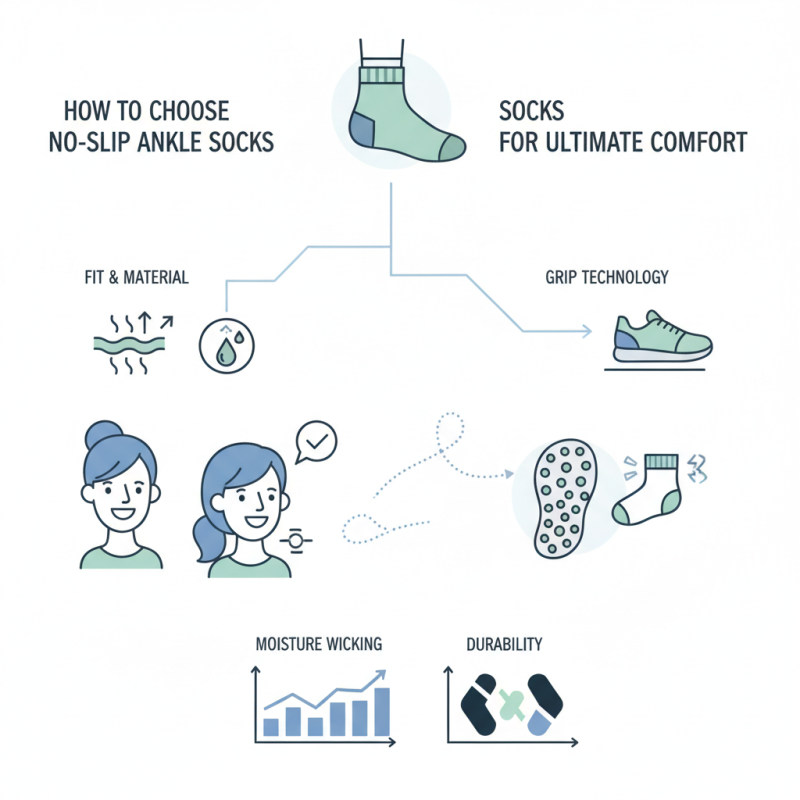
No Slip Ankle Socks should fit snugly without constricting. The right material is crucial for breathability. Consider cotton blends that wick moisture away. Pay attention to the grips as well. Quality grips prevent slipping in shoes, enhancing stability.
However, not all socks provide the same level of comfort. It’s frustrating to find that perfect pair. Sometimes, what looks good online feels very different during wear. Evaluating the fit and performance of No Slip Ankle Socks is a personal journey, one that might take time. While some might love a specific brand, others could feel disappointed. Remember to reflect on your experiences to find your ultimate comfort.
Understanding the Importance of No Slip Ankle Socks for Comfort
Choosing the right no slip ankle socks can greatly enhance your comfort level. Studies show that approximately 80% of individuals experience foot discomfort at some point. This discomfort often stems from inadequate sock fit. No slip designs aim to eliminate bunching and movement during wear, which can cause blisters and irritation.
The importance of no slip ankle socks cannot be overstated. According to a survey by the Sock Industry Association, a staggering 65% of participants reported that their sock choice directly affects their overall comfort. Proper compression and fit are key. Ankle socks that stay in place allow for unrestricted movement, whether you're running errands or hitting the gym.
Many consumers overlook the importance of material. A breathable fabric can make a significant difference in sock performance. Moisture-wicking options are preferable, as they keep feet dry and cool. However, not all no slip socks offer adequate breathability or cushioning. Testing various options provides insight into what truly enhances comfort. In search of the perfect sock, you may find that some simply don't deliver. Understanding these elements helps in making more informed choices.
How to Choose No Slip Ankle Socks for Ultimate Comfort? - Understanding the Importance of No Slip Ankle Socks for Comfort
| Feature |
Importance |
Material |
Sock Type |
| Non-Slip Grip |
Prevents slipping and enhances safety |
Cotton Blend |
Ankle High |
| Breathability |
Keeps feet dry and comfortable |
Moisture-Wicking |
Low Cut |
| Cushioning |
Provides comfort during long wear |
Polyester |
Performance |
| Seamless Design |
Reduces irritation and enhances comfort |
Nylon |
Casual |
| Arch Support |
Improves foot alignment and reduces fatigue |
Elastic Fibers |
Athletic |
Key Features to Look for in No Slip Ankle Socks
When selecting no slip ankle socks, consider essential features for comfort. The sock material plays a crucial role. Look for breathable fabrics. Cotton blends or moisture-wicking materials keep feet dry. This is vital to prevent blisters during activities.
The fit is also important. Choose socks that hug your ankle snugly but are not too tight. A good grip prevents slippage. A poorly fitting sock can cause irritation. Pay attention to the ankle band. It should hold the sock in place without restricting circulation.
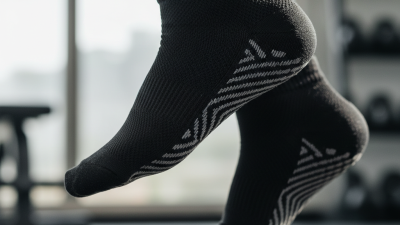
Non-slip grip technology is often found in these socks. Many socks have silicone or rubberized patterns. These add traction, enhancing stability throughout the day. However, some users report that this grip wears down quickly. Regularly check for wear and replace them as needed.
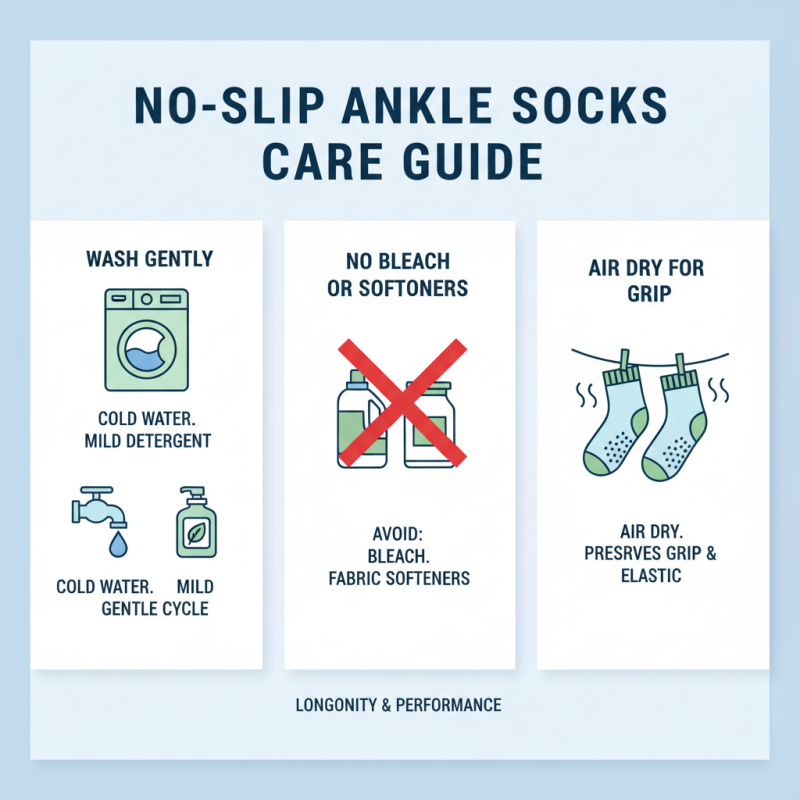
Tip: Always try on socks before buying. This ensures the fit is right for you. Also, be mindful of washing instructions. Proper care can extend the life of your socks.
Sizing and Fit: Achieving the Perfect Ankle Sock Experience
Choosing the right size and fit for no slip ankle socks is essential for comfort. You want socks that hug your feet without being too tight. They should stay in place without pinching your skin. A snug fit ensures warmth, but be cautious of fabrics that may cause irritation.
When selecting socks, consider your shoe size. Measure your feet, especially if they vary in size. Use this measurement to choose socks that fit your largest foot. Some may believe one size fits all, but that's rarely the case. Trying on different sizes helps find the right fit.
Tips for a perfect fit:
- Look for socks with elastic bands. They provide support around the arch.
- Consider the sock material. Cotton blends often offer stretch and breathability.
- Don't be afraid to test multiple pairs. What feels good in the store may differ at home.
Achieving comfort isn't always straightforward. Sometimes the right fit can still feel off. Listen to your feet and make adjustments when necessary. A good pair of no slip ankle socks can transform your day, but finding them takes time.
Choosing No Slip Ankle Socks: Comfort Levels by Fit Type
This bar chart illustrates the comfort level ratings for different ankle sock fit types. A tighter fit generally offers better comfort, while looser fits tend to be less satisfactory for many users.