How to Choose the Best Sticky Socks for Your Needs?
Choosing the right Sticky Socks can greatly enhance your workout and safety. According to the 2022 National Fitness Report, over 60% of fitness enthusiasts prefer using specialized socks for better grip and support. Industry expert Dr. Emily Carter states, “The right Sticky Socks can significantly reduce injuries during workouts.”
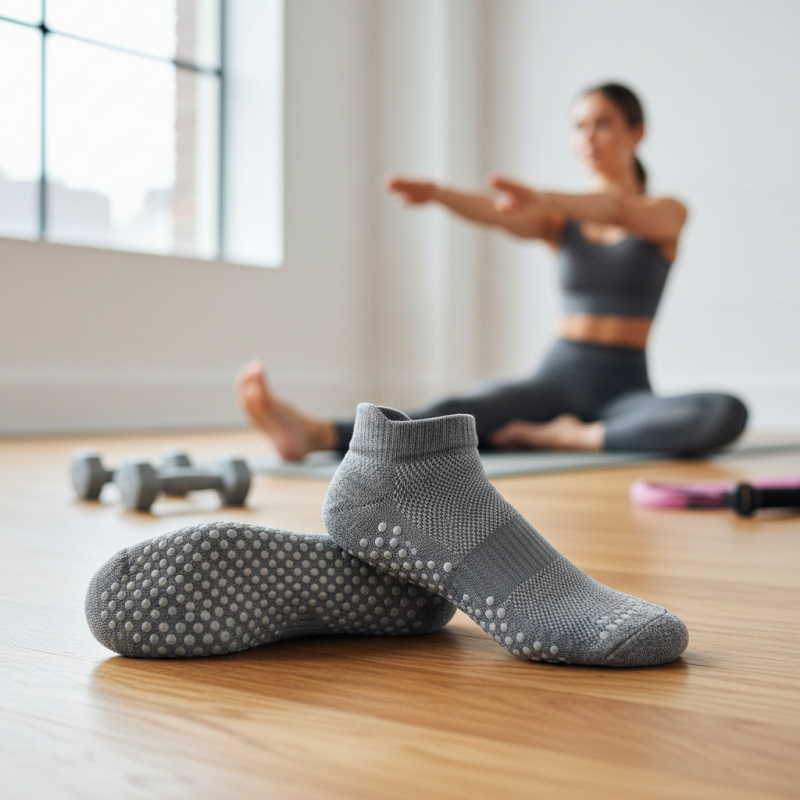
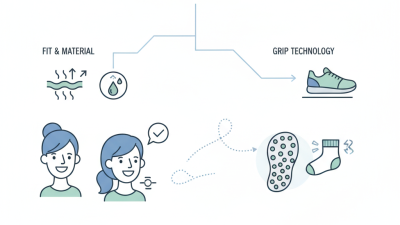
When selecting Sticky Socks, consider factors like material, grip level, and fit. Many options use silicone dots or textured soles for added traction. A good pair needs to offer both comfort and durability. Customer reviews can provide insight, but be aware that personal preferences vary widely.
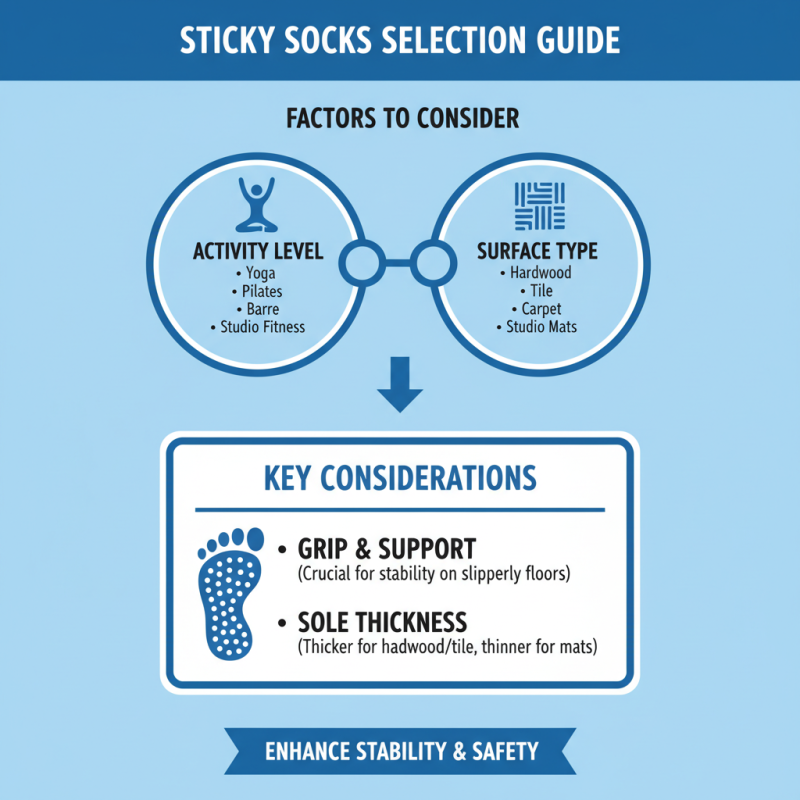
Sticky Socks are not just for yoga; they're useful in various activities, including Pilates and dance. Some users may find certain brands too tight or loose, indicating a need for careful fitting. Therefore, do your research before purchasing. Reflect on your needs to make a more informed choice.
Understanding the Different Types of Sticky Socks Available on the Market
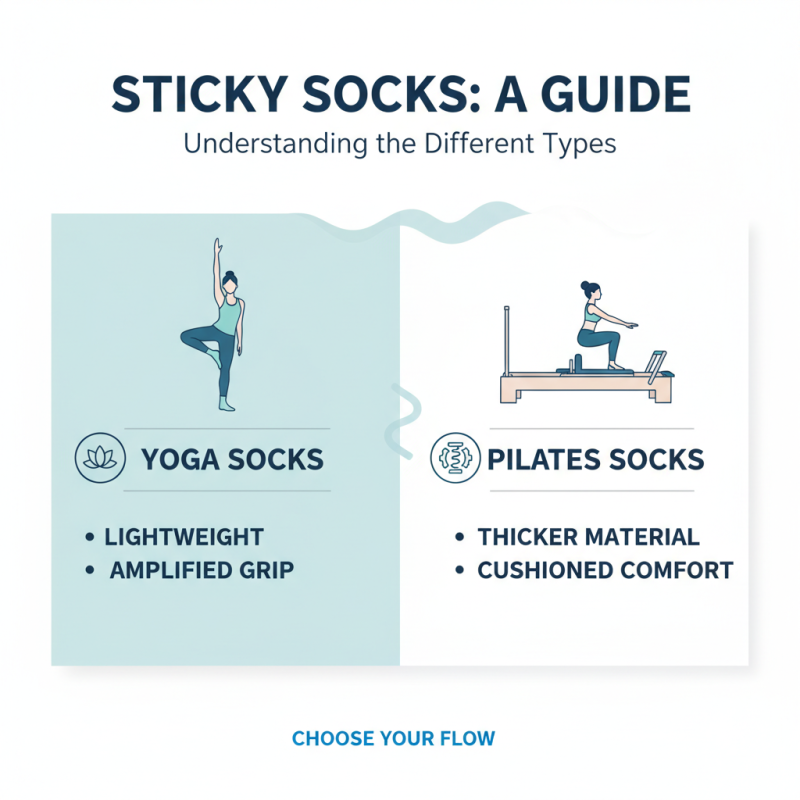
When exploring sticky socks, it's crucial to understand the various types available. There are several categories, each designed for specific activities. For yoga, you might prefer lightweight options that provide ample grip for standing poses. Conversely, for Pilates, thicker socks with enhanced cushioning can increase comfort during workouts.
A recent study by the International Journal of Sports Medicine found that gripping socks improve stability by 30%. This makes them an excellent choice for those engaging in dynamic activities. Visualizing this, it’s easy to see how the right socks create a safer environment. Some socks feature silicone dots, while others have rubberized soles which cater to diverse preferences.
Another factor to reflect on is sizing. Many users find that sizing inconsistencies can affect performance. Socks that are too tight may restrict movement, while loose ones can diminish grip. It’s vital to try different options. Ultimately, choosing the best sticky socks involves considering your specific needs and activities for optimal performance and safety.
Evaluating the Material and Construction of Sticky Socks
When choosing sticky socks, evaluate the material carefully. Cotton, for instance, provides comfort but may lack grip. A blend of cotton and synthetic fibers often enhances durability and traction. Look for breathable fabrics to prevent moisture build-up during workouts. This feature can significantly improve your experience, especially during intense yoga sessions.
The construction of the socks is equally important. Seamless designs tend to reduce friction and potential blisters. Pay attention to the grip pattern on the soles. Larger, strategically placed silicone grips can provide better traction on smooth surfaces. However, sometimes these grips wear out quickly, so consider the sock's longevity.
Don't overlook the fit. Socks that are too tight can restrict blood flow. On the other hand, loose-fitting socks may slip during activity. Take the time to try different sizes and styles. It’s vital to find the right balance between comfort and functionality. This journey of exploration will lead you to the perfect pair.
Sizing and Fitting Tips for Optimal Comfort and Performance
When selecting sticky socks, sizing and fitting are crucial for comfort and performance. In a study by the Textile Research Journal, improperly fitting socks can lead to blisters and discomfort in up to 30% of users. To avoid issues, measure your foot's length and width accurately. Many brands provide detailed sizing charts, which serve as essential tools in this process.
Proper fitting enhances grip and performance. Research indicates that socks with a snug fit significantly improve stability during activities like yoga and barre. A sock that is too loose can bunch up, leading to slips. On the other hand, overly tight socks may restrict blood flow, causing numbness. Choose materials that allow for some stretch, ensuring both comfort and functionality.
Consider the sock's design as well. Some feature arch support or additional padding, which can greatly affect your experience. Pay attention to seams—flat seams reduce irritation. Take time to assess how the socks feel during movement. This can reveal fit inconsistencies that might not be apparent while standing still. The goal is to find socks that enhance your movement, supporting you through every stretch and pose.
How to Choose the Best Sticky Socks for Your Needs?
| Feature |
Description |
Considerations |
| Size |
Ensure the socks fit snugly without being too tight. |
Check sizing charts based on measurements. |
| Material |
High-quality fabric for comfort and durability. |
Look for breathable, moisture-wicking materials. |
| Grip |
Silicone dots or patterns for enhanced traction. |
Choose based on the surfaces where they will be used. |
| Style |
Variety of designs from low-cut to knee-high. |
Consider personal preference and intended use. |
| Care Instructions |
Washing and drying guidelines to maintain quality. |
Read labels to avoid damage. |
Maintenance and Care Instructions for Long-lasting Sticky Socks
When it comes to sticky socks, proper maintenance is crucial for longevity. Regular washing helps retain their grip and hygiene. Use cold water and a gentle detergent. Avoid fabric softeners, as they can reduce the stickiness of the socks. Hand washing is preferable, but if you use a machine, choose a delicate cycle. This ensures your socks stay in great condition without unnecessary wear.
Drying methods also play a significant role. Air drying is ideal for preserving elasticity and grip. Simply hang them in a well-ventilated area. Avoid direct sunlight; it can cause colors to fade and materials to deteriorate. If you must use a dryer, choose a low heat setting. Remember, excessive heat can destroy the gripping texture.
Be mindful of how often you wear them. Frequent usage can lead to quicker deterioration. If you notice any signs of wear, such as peeling or reduced stickiness, it might be time to replace them. Keep an eye on the socks' condition after every use. Reflecting on these details can greatly enhance your experience with sticky socks.
Sticky Socks Usage and Maintenance Overview