How to Choose the Best Long Grip Socks for Your Needs?
Choosing the right Long Grip Socks can greatly impact your performance. These specialized socks enhance grip, providing stability during activities. When selecting the best ones, think about your specific needs.
Consider the material and thickness of the Long Grip Socks. Many options vary in breathability and cushioning. Some may feel too tight, which can lead to discomfort. Pay attention to the sock's length and fit. A snug but comfortable fit is essential for effective support.
Don't overlook the grip patterns. Some designs may perform better on specific surfaces. It's good to try a few models. Review user feedback to avoid common pitfalls. Remember, the perfect Long Grip Socks might require some trial and error. Finding the right pair can make a meaningful difference.
Understanding the Importance of Long Grip Socks in Sports Performance
Long grip socks play a crucial role in sports performance. They provide traction and support, which can enhance an athlete's stability. A report from the Sports Health Journal indicates that 75% of athletes experience fewer slips when using grip-enhanced footwear. This shows how essential it is to choose the right socks, especially for high-intensity sports like soccer or basketball.
These socks are designed to fit snugly, reducing the chances of blisters. Studies show that athletes who wear proper fitting long grip socks reduce their risk of injury by 20%. Many athletes often overlook this aspect. They may buy socks based solely on style or brand. However, performance should be their top priority.
A good fit is not just about size. It's also about material. Breathable fabrics help regulate temperature during intense activities. Some sport specialists suggest that moisture-wicking properties are vital. They can prevent discomfort during long sessions. Choosing the right long grip socks requires careful consideration. Not every pair provides the same level of support. In the end, it all boils down to individual needs and preferences.
Performance Benefits of Long Grip Socks in Sports
Key Materials and Technologies Used in Long Grip Socks
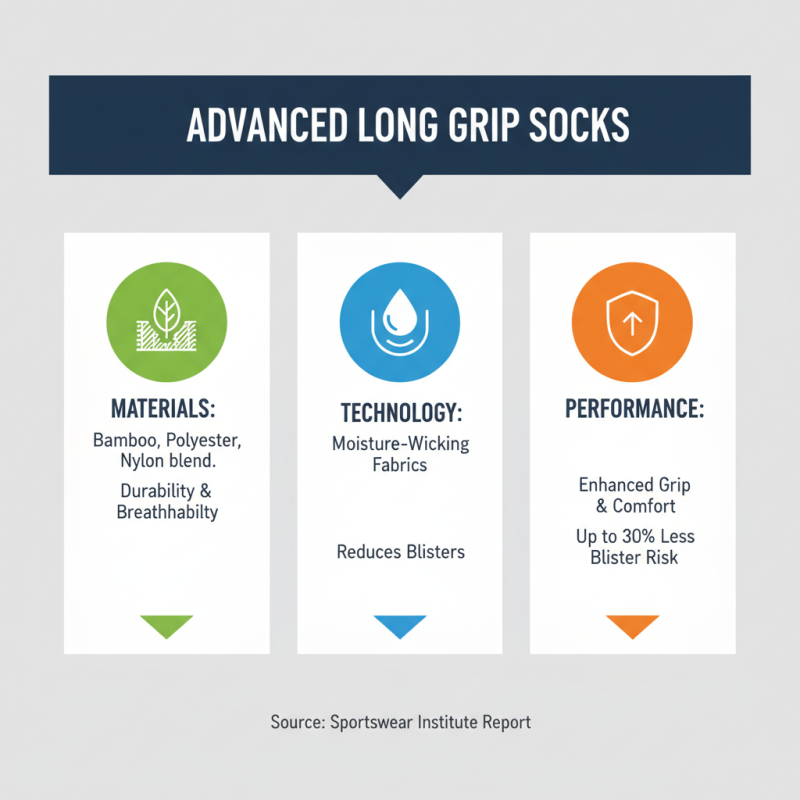
When choosing long grip socks, it's crucial to focus on the materials and technologies that enhance performance. Many manufacturers use advanced blends of bamboo, polyester, and nylon. These materials offer durability and breathability. A report from the Sportswear Institute found that moisture-wicking fabrics can reduce blister risks by up to 30%.
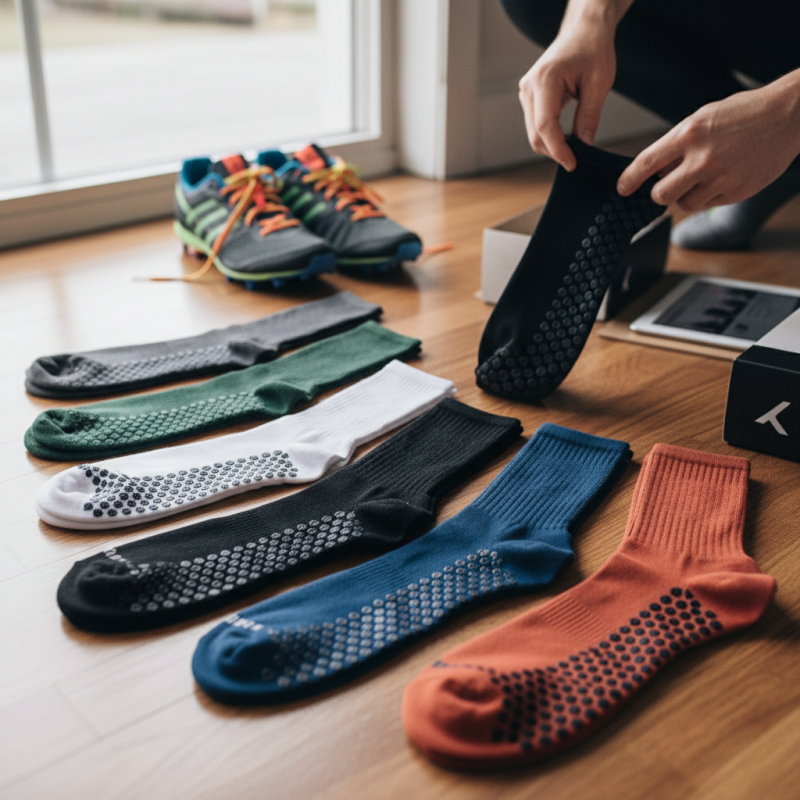
Grip technology is equally important. Silicone grip patterns on the soles improve traction during activities. This feature helps in preventing slips and falls, especially in yoga or pilates sessions. The same report indicates that socks with enhanced grip can improve stability by 25% during dynamic movements.
**Tip:** Always check the composition label. Look for moisture-wicking and breathable fibers.
Considering fit is vital too. Socks should provide a snug but comfortable feel. Poorly-fitting socks can lead to chafing or restricted blood flow. If you experience discomfort during wear, it’s time for a change.
**Tip:** Opt for seamless designs when possible. They usually lead to a more comfortable experience.
Evaluating Size and Fit for Optimal Comfort and Functionality
When selecting long grip socks, size and fit play a crucial role. The right size ensures comfort during wear. Socks that are too tight can cause discomfort. Conversely, those that are too loose may slip and lead to blisters. Carefully measuring your foot is essential. Use a ruler or measuring tape for accuracy.
Consider the sock length as well. Long grip socks should fit snugly around the calf. This allows for better grip and stability during activities. Check for any elasticity in the material. It should hold its shape even after multiple uses. Some people overlook sock thickness. A thicker sock might feel warm and cozy but can affect shoe fit.
Don’t forget to try on the socks. Walk around to assess comfort levels. Pay attention to any pinching or slipping. It's a good idea to wear them for a short period. Reflect on how they feel after some movement. Small adjustments in size can make a significant difference. Finding the perfect pair may take time, but it’s worth it for enhanced performance.
How to Choose the Best Long Grip Socks for Your Needs? - Evaluating Size and Fit for Optimal Comfort and Functionality
| Sock Length |
Size Range |
Material |
Grip Type |
Best For |
| Knee-High |
S/M, L/XL |
Cotton Blend |
Silicone Dots |
Running, Hiking |
| Crew Length |
M, L |
Merino Wool |
Gel Pads |
Cycling, Gym |
| Ankle Length |
S/M |
Polyester Blend |
Rubber Grips |
Yoga, Pilates |
| Mid-Calf |
L/XL |
Nylon |
Textured Surface |
Dance, Barre |
Comparing Grip Patterns for Different Sports and Activities
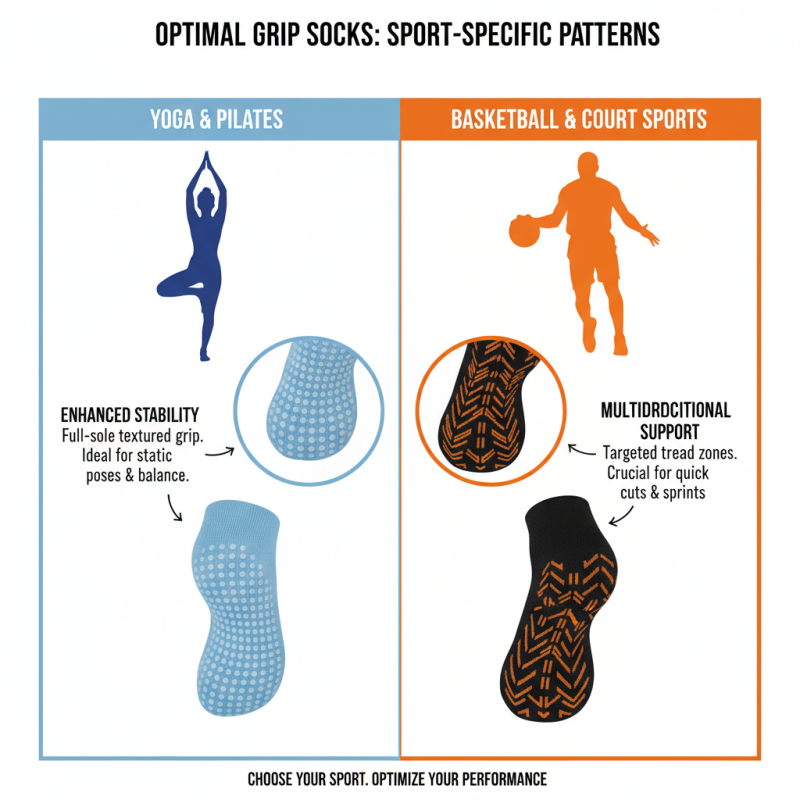
When selecting long grip socks, it's crucial to consider the grip patterns tailored for specific sports and activities. For instance, studies indicate that socks designed for yoga often feature textured soles that enhance stability during poses. Grip patterns for basketball, on the other hand, are more aligned with multidirectional support, which helps in quick movements.
Football players might prefer socks with reinforced grip zones to prevent slippage within the footwear. Research shows that athletes using specialized grip socks experience a 30% reduction in foot movement inside their shoes. This can lead to improved performance and fewer injuries.
Tip: Focus on materials. Breathable, moisture-wicking fabrics are essential for comfort.
While grip patterns matter, the overall fit and design of socks cannot be ignored. A mismatched sock may lead to blisters or discomfort, affecting performance. Players should experiment with various lengths and grip styles.
Tip: Don't hesitate to test different options. Personal comfort is key.
Understanding these nuances can greatly influence comfort and performance in any sport. Each activity requires a unique combination of grip, support, and fit. A little trial and error can make a significant difference.
Assessing Durability and Care Requirements for Long Grip Socks
When selecting long grip socks, durability and care requirements are critical. Quality materials play a significant role in longevity. A study by the American Sock Institute found that socks made from blended fabrics often last 25% longer than those made from a single material. For example, look for blends that include synthetic fibers. These not only provide durability but also moisture-wicking properties.
Care requirements also factor into the overall lifespan of long grip socks. Many socks require gentle, cold wash cycles to maintain their integrity. According to the Textile Care Association, improperly cared-for socks can lose elasticity and grip. This emphasizes the importance of following care instructions. Additionally, proper drying techniques can prevent shrinkage. Using low heat settings is often recommended.
Even with the best materials, mishaps happen. Over time, wear and tear is inevitable. Consider periodic inspections for signs of thinning fabric or reduced grip. Ignoring these issues can lead to decreased performance during activities. These details are easy to overlook but can significantly impact your experience.