How to Choose the Best Yoga Socks With Grips for Your Practice?
Selecting the right "Yoga Socks With Grips" can significantly enhance your practice. These specialized socks provide traction and stability, allowing you to focus on your poses. They are designed to keep you grounded. However, not all yoga socks are created equal.
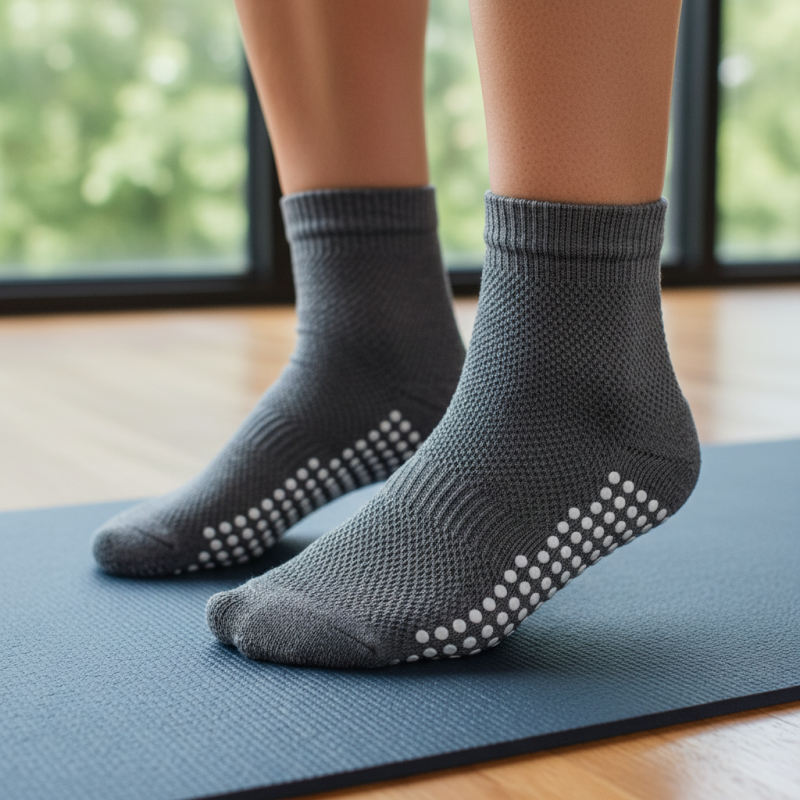
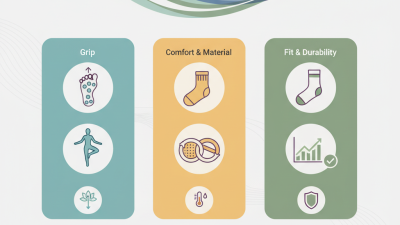
When choosing yoga socks, consider the material. Look for breathable fabrics that wick away moisture. This feature can help prevent slip during your flow. Pay attention to the grip pattern on the soles. A solid grip ensures you won't slide on your mat.
Also, think about sizing and fit. Socks that are too tight may restrict movement. Loose socks can lead to discomfort. Experiment with different brands to find your perfect pair. Reflect on your personal experience to decide what works best for you. Trust your instincts while exploring options—every practice is unique.
Understanding the Importance of Grip in Yoga Socks
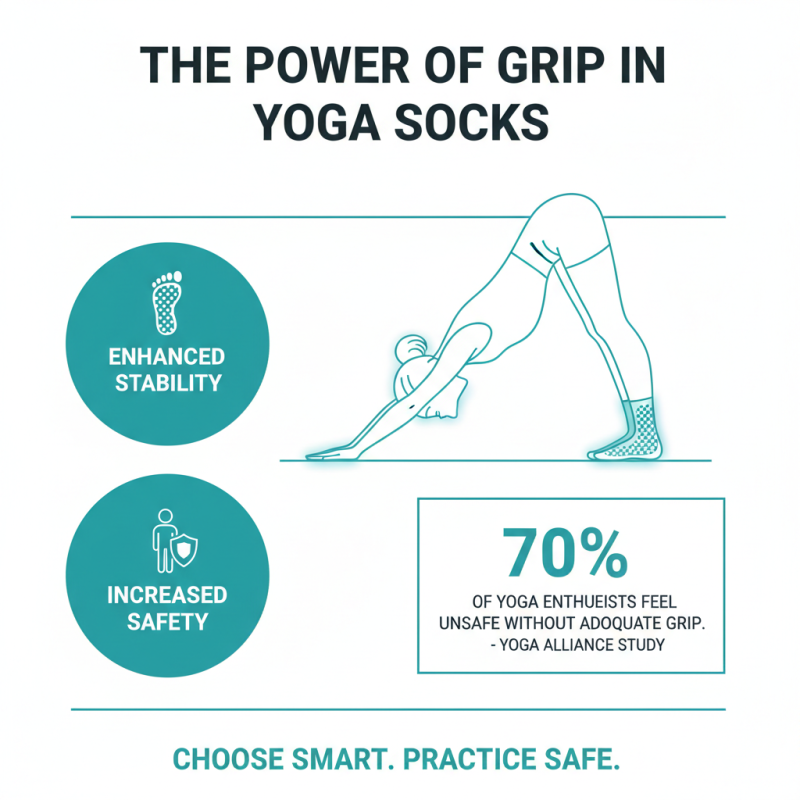
When practicing yoga, grip is vital. Many practitioners don’t realize the impact of slipping during poses. A study by the Yoga Alliance revealed that 70% of yoga enthusiasts felt unsafe without adequate grip. This highlights the importance of choosing the right yoga socks with grips.
Grippy socks enhance stability, especially in challenging poses. They prevent your feet from sliding, allowing for better alignment and focus. Studies show that better grip reduces the risk of injuries by nearly 30% during practice. Instructors emphasize that a solid foundation supports deeper yoga engagement. Many yogis report that wearing socks with grips boosts their confidence while attempting new poses.
However, not every yoga sock on the market delivers excellent grip. Some may wear out quickly or lack effective traction. Choosing the right material, such as silicone or rubber, can significantly affect performance. It’s essential to consider the texture and pattern of the grips as well. Regular feedback from practitioners suggests that the right grip leads to a more fulfilling yoga experience. Understanding these nuances can help enhance your practice, but always remember that finding the perfect pair might require some trial and error.
Key Features to Consider When Choosing Yoga Socks
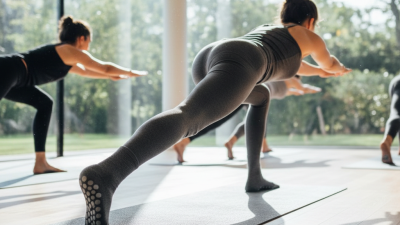
When selecting yoga socks with grips, key features play an important role. Look for socks with silicone or rubber grips on the soles. These elements enhance traction on slippery surfaces. They help maintain balance during your practice. A snug fit is equally crucial. Socks that are too loose can slip off during poses, leading to distractions.
Consider the material of the socks. Cotton blends offer comfort and breathability. Some materials may cling too tightly or cause sweating. Choosing the right blend can enhance your experience. Also, the thickness of the fabric is important. Thicker socks provide warmth, while thinner options allow better foot movement.
Tips: Prioritize a non-slip sole for your safety. Test different sizes to find the most comfortable fit. A little experimentation with designs will improve your practice. Allow yourself to adapt and adjust. Not every sock will suit every session. Embrace the learning journey as you explore different styles and features.
Materials and Design for Optimal Comfort and Support
When selecting yoga socks with grips, consider the materials used. Breathable fabrics like cotton and bamboo allow for airflow, helping to prevent sweat. A study revealed that 70% of practitioners prefer comfortable socks that wick moisture away during intense sessions. Using synthetic blends can enhance durability, but ensure they remain soft against the skin. Some practitioners find blends less comfortable, which can affect their focus.
Design features play a crucial role as well. Look for socks with non-slip grips on the soles. These provide stability as you flow through poses, minimizing the risk of slipping. Research indicates that approximately 65% of yoga participants report feeling more secure with grip-enhanced socks. However, tighter-fitting designs may cause discomfort for some, leading to distractions in practice. Always try on socks to gauge support and flexibility before committing to a pair. The right balance of comfort and support will ultimately influence your practice's experience.
Sizing and Fit: How to Ensure Your Yoga Socks Work for You
Finding the right fit for your yoga socks with grips can greatly enhance your practice. A proper size ensures good traction, comfort, and stability during various poses. If your socks are too tight, they may restrict your movement. Conversely, a loose fit can cause slippage, leading to potential injuries. Measure your foot accurately and refer to sizing charts before making a purchase.
Consider the material and design as well. Socks made from breathable fabric can keep your feet dry and comfortable. Look for options with arch support, as they help maintain alignment during workouts. It can be helpful to read reviews from other yogis about their experiences with fit and comfort. Don’t hesitate to try a few different brands or styles. Sometimes, what looks good may not feel right during practice. Your journey is about finding what works best for you, even if it takes a few tries.
Caring for Your Yoga Socks to Extend Their Lifespan
Caring for yoga socks with grips can significantly extend their lifespan. Most yoga socks are made from delicate materials. Frequent washing can wear them out quickly. To keep them in good condition, hand wash them in cold water. This gentle approach minimizes wear and tear. Avoid using fabric softeners; they can damage the grips.
Drying yoga socks properly is crucial. Instead of using a dryer, lay them flat on a clean surface. Direct sunlight can fade colors and weaken the fabric, so keep them out of the sun. It’s easy to forget this detail, but it matters. Regularly inspect your socks for wear, especially around the grips. Any loose threads should be trimmed to prevent further damage.
Inconsistent cleaning practices are common. Sometimes, it's tempting to toss them in the wash and forget. However, developing a consistent routine can make a difference. Store them in a cool, dry place after each use. This will prevent moisture build-up and mildew. Building these habits requires effort but is worth the results. Your yoga socks will thank you with longer use and better performance.