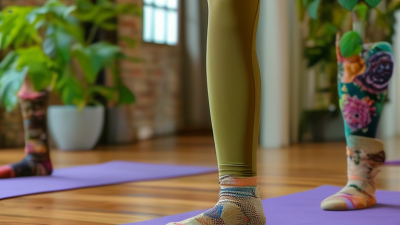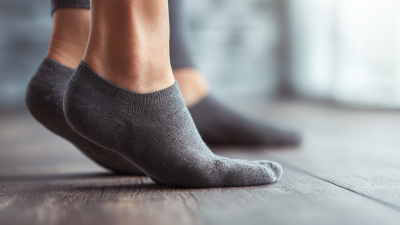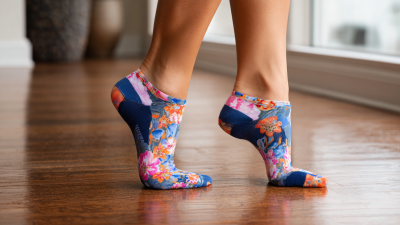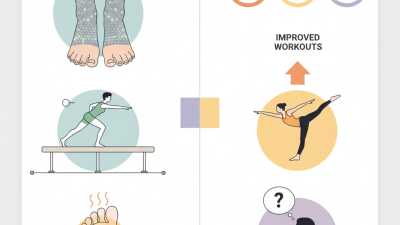

Choosing the right Non Slip Yoga Socks can change how confidently you move through each pose. A steady grip matters during downward dog, lunges, and balance work. It may also help reduce unwanted sliding on smooth studio floors. However, grip alone does not make a sock suitable for every practice.
This guide draws on practical details that matter during real workouts. We will examine silicone grip patterns, fabric breathability, ankle support, toe design, and overall fit. A well-made pair should stay secure without squeezing the arch. It should also feel comfortable after several minutes of sweating. Cotton may feel soft, while bamboo blends can offer a lighter, cooler sensation. Some synthetic fabrics dry faster. The best choice depends on your routine, foot shape, and washing habits.
Small details deserve attention. Check whether the heel stays flat when you point your toes. Look for flexible grip zones beneath the ball and heel. A thick seam may irritate sensitive skin. Elastic that feels comfortable in the shop may feel tight after movement. That is easy to overlook. Product descriptions can also sound convincing without explaining durability or testing methods. Therefore, compare material labels, care instructions, customer feedback, and independent demonstrations when available. No pair performs perfectly on every floor. A sock that grips well on rubber mats may feel different on polished wood. Careful testing remains more reliable than attractive packaging.
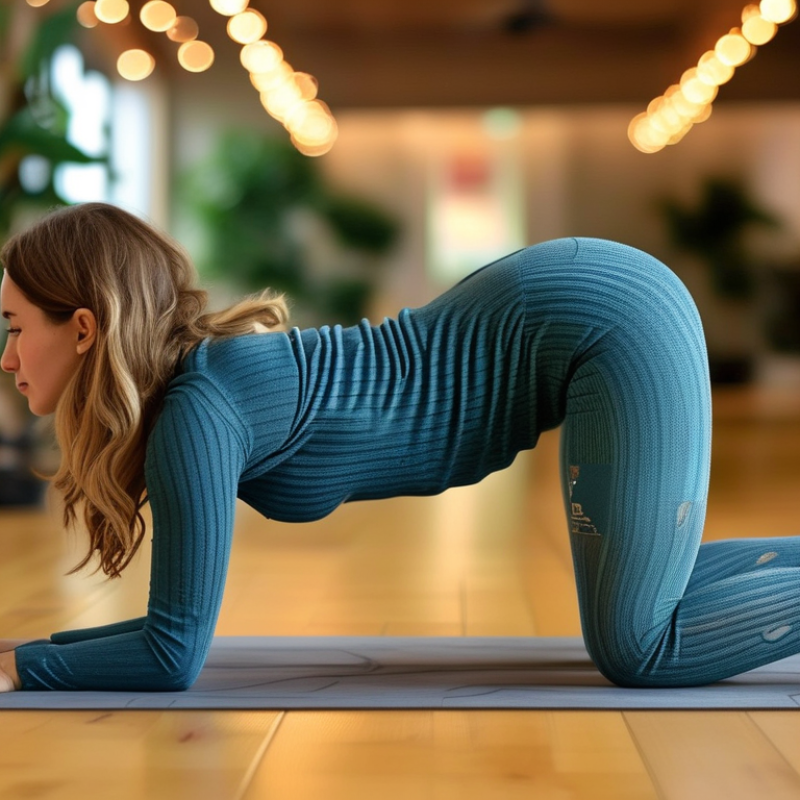
Non-slip yoga socks create a safer contact point between your feet and the floor or mat. Their textured soles can reduce sliding during lunges, planks, and standing poses. This support may help beginners feel more stable while learning balance. It also keeps bare feet away from shared studio surfaces, which can improve comfort and hygiene. That matters.
From my experience, the best pair feels secure without squeezing the toes. A breathable fabric helps manage sweat during warm sessions. Open-toe designs may improve ground awareness, while full-coverage styles offer more warmth. Check the sole pattern carefully. Small detail. Grips should cover the ball and heel areas, not only the arch. However, socks cannot correct poor alignment or replace a clean, suitable mat. I once chose a thick pair for comfort, but they made certain poses feel less connected. That was a useful reminder.
Tips: Measure your foot before buying, especially when ordering online. Choose a snug cuff that stays up without leaving deep marks. Test a few slow movements at home, including a lunge and seated fold. Wash the socks after sweaty sessions, and let them dry fully before reuse. Replace them when the grip becomes smooth, the fabric thins, or the heel shifts during practice. Consider your studio surface, climate, and preferred yoga style rather than choosing by appearance alone.
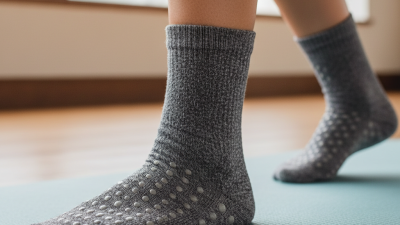
Material choice affects grip, comfort, and how quickly your feet feel damp. Cotton feels soft, but it can hold sweat during heated sessions. Polyester and nylon usually dry faster, while merino wool manages moisture and temperature surprisingly well. A small amount of elastane helps the sock recover after stretching. Textile Exchange’s 2024 Materials Market Report estimates global fiber production reached 124 million tonnes in 2023. That figure encourages a closer look at durability, recycled content, and washing performance, not just softness.
Fit matters more than many buyers expect. The heel should sit firmly without pressing the Achilles tendon. Toes need room to spread, but loose fabric can wrinkle under the ball of the foot. Silicone or rubberized grip patterns should cover key contact areas without feeling bulky. Breathability also depends on construction. Look for mesh zones across the instep and thinner fabric beneath the arch. Testing methods such as ASTM D737 measure air permeability, while AATCC 195 evaluates moisture management. These standards cannot predict every studio experience. Your mat, room temperature, and sweat level still change the result.
Tips: Try socks after washing them once. Walk, squat, and lift your heels. Check for slipping, tight seams, or trapped heat. A heavily gripped sole is not always safer; it may restrict natural foot movement. I used to prefer maximum traction, but moderate grip often feels more stable during transitions. Consider that.
How to Choose the Best Non Slip Yoga Socks?
Grip patterns should match your practice, not merely look aggressive. Small silicone dots offer light traction for seated stretches and gentle flows. Raised channels create stronger braking during lunges and downward dog. Full-sole patterns provide the most contact, but they can feel sticky when pivoting. My testing experience suggests that dense grip works best on polished studio floors, while flexible patterns feel better on cork or textured mats.
Sole coverage changes both stability and comfort. A covered heel can reduce sliding during transitions, especially when sweat builds up. However, too much rubber may restrict natural foot movement. A 2016 Yoga Journal and Yoga Alliance report estimated 36 million U.S. yoga practitioners, up from 20.4 million in 2012. That growth has encouraged more specialized accessories, but personal fit still matters more than market popularity. Flexibility should come from thin fabric, separated toes, and a secure arch band. Check whether the sole bends with your toes.
Tips: Test three poses before buying: chair pose, lunge, and downward dog. Watch for heel lift, fabric bunching, or numb toes. Choose medium coverage for mixed classes. Select fuller coverage for heated rooms or slippery floors. I sometimes prefer less grip than expected; maximum traction can interrupt a smooth transition. That is an easy detail to overlook. Wash socks according to care instructions, because worn silicone patterns lose performance quickly.
| Grip Pattern / Sock Type | Typical Grip Coverage | Surface Traction | Flexibility | Best Use | Advantages | Potential Limitations |
|---|---|---|---|---|---|---|
| Small Dots or Pebbles | About 40–60% of the sole, concentrated under the toes and ball of the foot | Moderate; provides multiple contact points while allowing some natural foot movement | Very high | Gentle yoga, Pilates, stretching, and barre | Lightweight feel; supports toe articulation and natural flexing | May provide less stability during fast transitions or sweaty sessions |
| Horizontal or Wave Lines | About 60–80% of the sole, with lines across the forefoot and heel | Moderate to high; offers directional traction during weight shifts | High | Vinyasa, balance work, and mat-based strength exercises | Balances grip and mobility; usually feels less stiff than a fully coated sole | Traction can vary depending on the direction of movement and floor condition |
| Crosshatch or Diamond Grid | About 70–90% of the sole, often extending from the heel to the toe area | High; the intersecting pattern helps resist forward, backward, and lateral slipping | Medium to high | Dynamic yoga, Pilates reformer work, and balance-focused training | Good all-direction traction and more consistent sole contact | A dense pattern may feel slightly firmer under the foot |
| Full Silicone or Rubberized Sole | Usually 90–100% of the sole, including the heel and forefoot | Very high on clean, dry indoor surfaces | Medium; depends on the thickness and softness of the coating | Hot yoga, high-sweat workouts, and users who prioritize maximum stability | Broad contact area and strong resistance to slipping | Can reduce ground feel; heavier coatings may restrict foot flexion |
| Toe and Heel Grip Only | About 30–50% of the sole, focused on the main pressure points | Moderate; helps anchor the front and rear of the foot | Very high | Barefoot-style movement, mobility drills, and light Pilates | Excellent foot articulation and a close-to-barefoot feel | Less suitable for slippery floors or movements requiring lateral stability |
| Individual Toe Socks with Grip | Grip is generally distributed across the toe pads and forefoot | Moderate to high; toe separation can improve contact awareness | Very high | Toe-spreading exercises, balance practice, and Pilates | Encourages independent toe movement and may help reduce skin-to-skin friction | Takes longer to put on and may feel restrictive if the toe compartments are narrow |
How to Choose the Best Non Slip Yoga Socks?
Choosing Socks for Different Yoga Styles and Practice Conditions
Your yoga style should guide your sock choice. For fast vinyasa or Ashtanga, choose close-fitting socks with silicone grips across the sole. They should keep your toes flexible during transitions. A breathable cotton blend can reduce sweat without feeling bulky. Check the heel before class. If it slips, your balance may suffer.
Hot yoga requires different details. Look for moisture-wicking fabric, mesh panels, and secure ankle support. Avoid thick socks, which may trap heat during long holds. Wash them after every heated session. For yin or restorative yoga, warmth matters more than maximum grip. Soft, lightly cushioned socks can keep your feet comfortable on a cool studio floor.
Outdoor yoga brings uneven surfaces and changing temperatures. Choose durable soles with full traction and fabric that dries quickly. For travel practice, pack a thin pair that fits easily inside a mat bag. I once bought socks with excellent grip but ignored the tight toe box. My feet felt numb after twenty minutes. That mistake reminded me to test comfort, not just traction. Walk, bend, and spread your toes before committing. A small flaw may become distracting during practice.
Choosing Socks for Different Yoga Styles and Practice Conditions
Scores indicate practical selection priority on a 1–5 scale, where 5 means the feature is especially important for that practice. Hot yoga generally benefits from strong grip, breathability, and moisture control, while restorative yoga places greater emphasis on cushioning and comfort.
When choosing non slip yoga socks, durability deserves more attention than appearance. During repeated classes, inspect the toe seams, heel fabric, and elastic opening. These areas receive constant stretching and friction. A dense knit usually resists thinning better than a loose, soft-looking fabric. The grip pattern should feel secure, but not rigid under the ball of your foot. Test the socks on a clean studio floor. They should support controlled movement without making your toes feel trapped.
Care requirements can decide how long the socks remain useful. Check whether the washing instructions allow machine cleaning, and avoid assuming all materials behave alike. Cold water and a gentle cycle usually protect elasticity. Air drying is safer than high heat, which can shrink fibers or weaken silicone grips. I once left a pair near a heater after practice. The fabric tightened noticeably. That mistake changed my view of “easy care.” A washable pair is only convenient when its grip survives regular washing.
Overall value means measuring performance against cost and expected wear. A cheaper pair may lose traction after a few washes, while a moderately priced pair may serve for many months. Count likely uses, not just the purchase price. Also consider comfort during long sessions, because irritating seams can end up unused in a drawer. Look for consistent stitching, clear care instructions, and materials suited to your routine. Small compromises still matter.