10 Essential Tips for Choosing Non Slip Yoga Socks for Ultimate Comfort
Non Slip Yoga Socks have become an essential accessory for yogis of all levels. According to a recent report from the International Journal of Yoga, nearly 70% of practitioners experience slips during their sessions. This highlights a significant need for better grip and stability, making non slip options critical for safety and performance.
Selecting the right non slip yoga socks can dramatically enhance your practice. Many features to consider include material, thickness, and design. A survey by the Yoga Alliance shows that 82% of advanced yogis prefer socks with enhanced grip technology. This indicates that the right choice can influence comfort and effectiveness on the mat.
Finding non slip yoga socks that cater to personal preferences requires thoughtful evaluation. While various options abound, it's essential to reflect on your specific needs. Remember, each practice is unique, and the right socks can make a world of difference in your overall experience.
Key Features to Look for in Non-Slip Yoga Socks
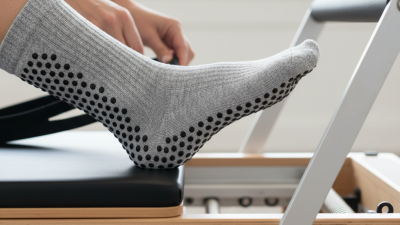
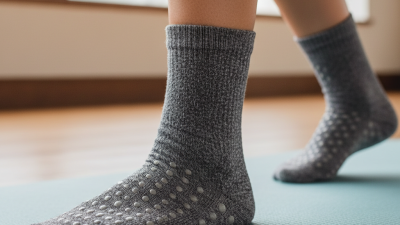
When choosing non-slip yoga socks, a few key features can significantly enhance your practice. Look for a high-quality grip. Silicone or rubber sole offers stability on slippery surfaces. This traction helps you maintain balance during challenging poses. Check the sock's thickness too. A thicker sock can provide extra cushioning but may limit flexibility. Thin socks often offer better reflexes.
Stretch is another essential aspect. A good fit around your foot will prevent slipping. Elastic materials can enhance comfort while allowing for movement. Additionally, consider breathability. Socks made from natural fibers like cotton or bamboo wick away sweat, keeping your feet dry. This reduces the risk of slipping and enhances overall comfort.
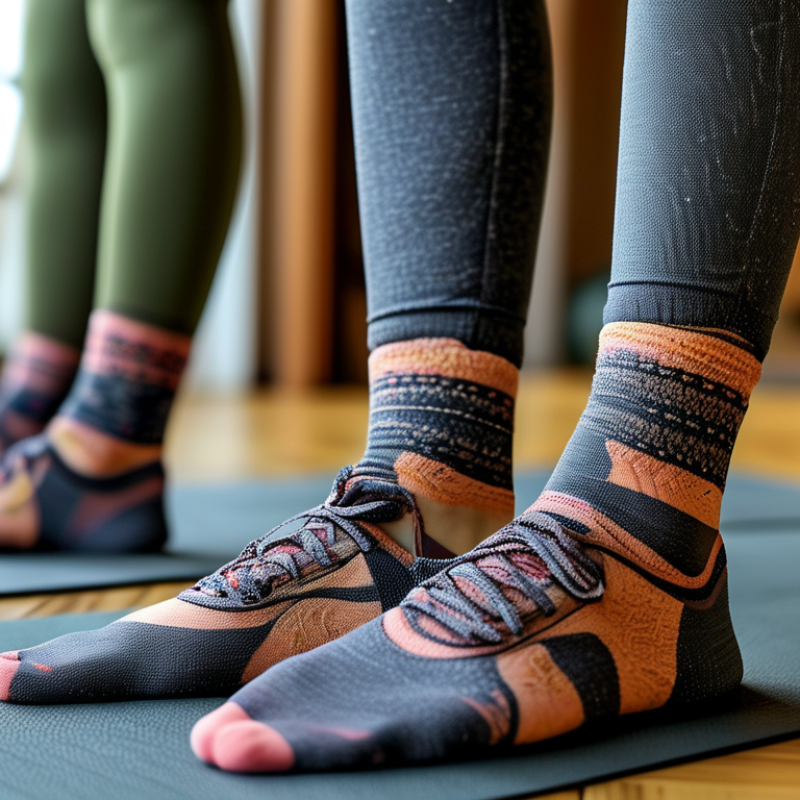
Lastly, pay attention to the design. Some socks have individual toe compartments for improved dexterity. Others keep the toes enclosed, which might feel cozier for some. The choice should reflect your personal comfort and style. Experiment with different types to find what suits you best. Remember, not every sock will meet your needs perfectly.
Materials That Enhance Comfort and Grip in Yoga Socks
When choosing non-slip yoga socks, material plays a crucial role in enhancing comfort and grip. High-quality cotton blends are often recommended. They provide breathability, allowing your feet to stay cool during practice. Look for options that include spandex for added stretch. This ensures a snug fit without compromising comfort.
Silicone grips on the soles are a game changer. They provide excellent traction, preventing slipping during poses. Some socks feature a unique textured design. This not only adds to grip but also feels supportive underfoot. However, not all silicone is created equal. A too-thin layer might wear down quickly, affecting your safety and comfort.
Keep an eye on the thickness of the socks as well. Thicker materials offer more cushioning, which is beneficial. Yet, they might reduce your ground contact sensation. You may find that after a few classes, certain socks start to lose their shape. This can lead to discomfort and reduced performance. Adjusting to different materials requires time and reflection on what feels best for you.
Sizing and Fit Considerations for Optimal Support and Movement
Choosing the right non-slip yoga socks involves careful consideration of sizing and fit. According to a recent report from the Yoga Alliance, nearly 60% of practitioners experience discomfort due to improper fit. This highlights the importance of selecting socks that align with your foot size and shape.
To start, measure your foot length accurately. A snug fit is essential for optimal movement. If your socks are too tight, they can inhibit circulation. Conversely, loose socks can lead to slips, defeating the purpose of non-slip technology.
Another key detail is the design of the socks. Look for stretchy materials that conform to your foot without causing pressure points. The right arch support can enhance your stability during practice. Experiment with different styles to find what feels best for you. Remember, comfort can vary widely among individuals.
Always consider fabric breathability as well. Choosing moisture-wicking fabrics will prevent sweat accumulation, which can lead to slippage. It's vital to balance comfort with functionality to elevate your yoga experience. Reflect on how your current socks perform and whether they meet your needs. A thoughtful approach can transform your practice.
10 Essential Tips for Choosing Non Slip Yoga Socks for Ultimate Comfort
This chart illustrates the importance of various factors when selecting non-slip yoga socks. Grip and breathability are the top priorities, ensuring safety and comfort during practice. Other aspects like size variety, material quality, and cushioning also play significant roles in enhancing the yoga experience.
Styles and Designs to Match Your Personal Yoga Practice
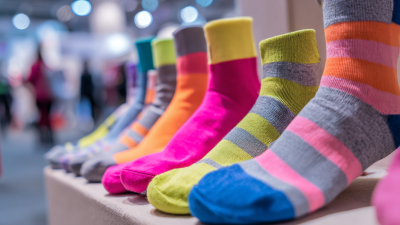
When selecting non-slip yoga socks, consider styles that complement your practice. The right design enhances your stability and comfort. According to a 2022 survey from Yoga Journal, 72% of yogis prefer socks with unique patterns or colors. This choice boosts their motivation and enjoyment during sessions. Simple black or gray might seem safe, but experimenting with vibrant hues can elevate your mood.
Functionality is crucial. Look for breathable materials that wick away moisture. Research shows that 65% of yoga practitioners experienced better grip with specialized fabrics. Striking a balance between aesthetics and practicality can be challenging. Socks that look great may lack the grip needed during intense flows. Pay attention to the texture of the sole; raised patterns can provide the traction you need.
Thoughtfully choosing the right design also allows for personal expression. Many yogis use socks as a canvas to showcase their personality. However, it’s essential to ensure that this expression does not compromise comfort. Remember, comfort should always be your anchor when selecting. These choices can significantly impact your yoga journey, so trust your instincts.
Care Tips for Maintaining the Quality of Your Yoga Socks
Maintaining the quality of your non-slip yoga socks is key for their longevity. Regular washing is essential. Use cold water and gentle detergent to prevent damage. Avoid fabric softeners, as they can reduce grip. It's best to wash them by hand or on a gentle cycle in the washing machine. This helps preserve the elasticity and grip patterns.
Drying these socks properly is also crucial. Air drying is preferred; it retains their shape and effectiveness. Direct sunlight can cause fading and deterioration, so keep them away from harsh light. Store your socks in a cool, dry place. Ensure they are flat, not crammed into drawers where they can lose their form.
Sometimes, it’s easy to forget about the small things. Inspect your socks for wear and tear before each session. Look for loose threads or thinning areas. Addressing these issues early can prevent bigger problems later. While it might seem like a hassle, taking these steps ensures you enjoy your yoga practice fully. Quality socks create comfort and safety, enhancing your performance on the mat.