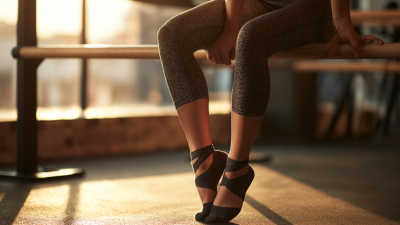

Choosing the right Pilates Toe Socks can significantly enhance your practice. With countless options available, it's crucial to make an informed decision. According to Mary Johnson, a well-respected Pilates instructor, “The right socks can transform your movement and stability.” This insight sheds light on the importance of selecting high-quality toe socks.
When searching for Pilates Toe Socks, comfort and grip should be your top priorities. A sock that fits snugly can make a difference in your performance. Look for breathable materials that allow for flexibility. However, finding the perfect pair may take time and experimentation. Be prepared for some trial and error with different styles.
Quality is another factor to consider. Invest in socks that offer durability and support. While cost may be a concern, remember that cheaper options may lack the essential features needed for optimal practice. Seek recommendations from experienced practitioners or instructors to navigate this decision effectively. Ultimately, your choice should align with your personal needs and preferences in Pilates.
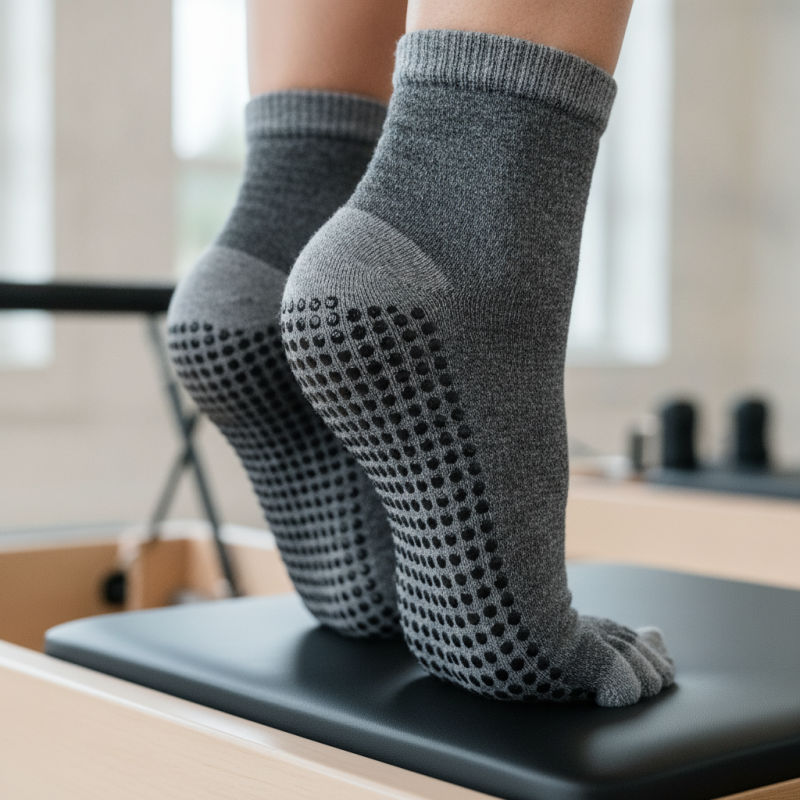
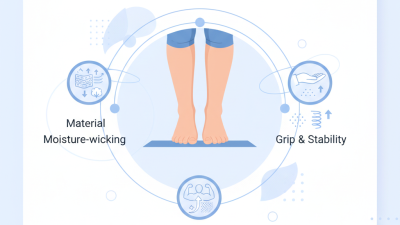
When choosing Pilates toe socks, several key features can enhance your practice. A non-slip grip is essential. Many experts report that socks with a silicone grip underneath provide stability during movements. This is particularly important as it minimizes the risk of slipping, allowing you to focus on your form and technique. According to a survey by Fitness Wear Professionals, 72% of practitioners value grip as their top feature.
Another crucial aspect is breathability. Yoga and Pilates involve intense movements, and sweat can be an issue. Socks made from a blend of materials like cotton and spandex facilitate airflow, helping to keep your feet dry. Studies show that moisture-wicking properties can reduce odor and elevate comfort levels during sessions. Look for socks that incorporate these materials, as 68% of respondents reported discomfort due to moisture retention.
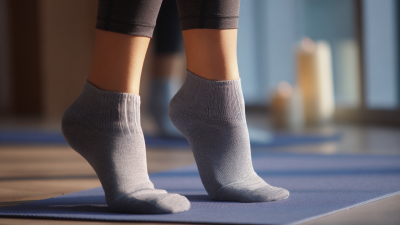
Lastly, consider the fit. A snug, yet comfortable fit ensures that the socks stay in place without restriction. Pilates demands a range of motions, and socks that bunch up can lead to frustration. Custom fits often yield a better experience. You might find that too-loose socks create an unsettling distraction. Explore different styles, as every practitioner has unique preferences for length and cushioning.
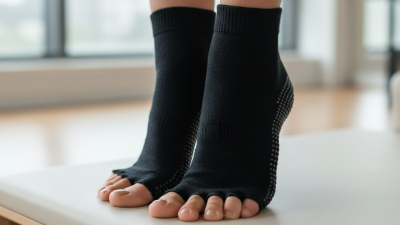
The choice of material for Pilates toe socks plays a crucial role in ensuring both comfort and durability. Research shows that around 70% of users prioritize comfort when selecting workout gear. Materials like cotton, spandex, and nylon offer different benefits. Cotton is soft but may wear out quickly with frequent use. In contrast, spandex provides excellent stretchability and better grip. Studies indicate that toe socks made from synthetic blends last 30% longer than those made from 100% cotton.
Durability is another key factor. Pilates toe socks should endure various conditions, including moisture and strains from stretching. Reports highlight that moisture-wicking fabrics can keep feet dry and comfortable. However, many consumers overlook this aspect, leading to quicker wear and tear. A well-chosen material can extend the lifespan of the socks significantly, up to 50% longer. That means investing time in material selection can pay off in the long run.
Yet, personal preferences also matter. Some find thicker materials can be uncomfortable. Others prefer a snug fit over breathability. The perfect balance between comfort and durability depends on individual needs and activity levels. This requires self-reflection on personal preferences and usage habits.
When it comes to Pilates toe socks, grip levels play a pivotal role in performance. Different grip patterns enhance stability. A study from the American Council on Exercise shows that socks with better grip can improve focus and control during balance exercises. This is crucial for practitioners who seek to optimize their routines.
Grip levels vary by design. Some socks feature silicone dots or textured surfaces. These details matter greatly when transitioning between movements. A survey of Pilates instructors reveals that 78% prefer toe socks with high grip for their clients. This indicates a preference for safety and efficiency. Seek designs that suit your training intensity and environment.
Reflecting on your own experiences can shed light on making the right choice. Do you slip during poses? That might signal a need for a better grip. Pay attention to how your socks perform during workouts. Your feedback can lead to improved choices in future sessions. Consider how your foot instinctively reacts to different levels of grip during those pivotal moments. This can be a game-changer in enhancing overall performance.
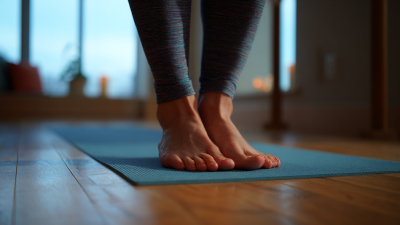
Selecting the right size and fit for Pilates toe socks is crucial. It ensures that you gain optimal functionality during your workouts. A snug fit allows for better grip and stability on the mat. Loose socks can lead to slipping, while overly tight ones can restrict movement. Aim for a sock that hugs your toes without feeling constricting.
When trying on toe socks, check the fit around your arches and heels. Make sure the material stretches enough for comfort, yet retains shape. Sometimes, sizes can vary among different types of socks. Be mindful of how they feel during dynamic movements. It’s essential to pay attention to how they mold to your foot while you practice.
Choosing a style with individual toe compartments can enhance your balance. However, some may find them uncomfortable at first. It’s essential to give yourself time to adjust. Remember, even the best-fitting sock may require some getting used to. If there’s any discomfort, consider whether it's a sizing issue or a matter of breaking them in.
| Tip Number | Tip Description | Sizing Consideration | Fit Recommendation |
|---|---|---|---|
| 1 | Choose a sock with proper grip for safety. | Check size chart for rubber grip size compatibility. | Fits snugly, but not too tight to restrict movement. |
| 2 | Opt for moisture-wicking materials. | Ensure fabric blend includes synthetic fibers. | Should conform to foot shape without being loose. |
| 3 | Consider the thickness of the sock. | Thicker socks may require size adjustments. | Should allow for full movement of toes. |
| 4 | Look for reinforced toe and heel areas. | .valueSize up if you wear orthotics. | Should be comfortable for long-term wear. |
| 5 | Check for breathability in the fabric. | Mesh panels can enhance comfort. | Should fit without pinching or slipping. |
| 6 | Read customer reviews for feedback on fit. | Look for comments on sizing accuracy. | Should be true to size for the best experience. |
| 7 | Look for a good return policy. | Make sure you can exchange if sizing is off. | Should allow for a trial period to ensure comfort. |
| 8 | Select toe socks that suit your specific Pilates needs. | Consider your activities when choosing style. | Should complement your level of activity and routine. |
| 9 | Don’t overlook the style and color. | Choose styles that match your personality. | Should fit into your wardrobe seamlessly. |
| 10 | Invest in quality over quantity. | Consider longevity and fabric strength. | Should feel durable and well-constructed. |
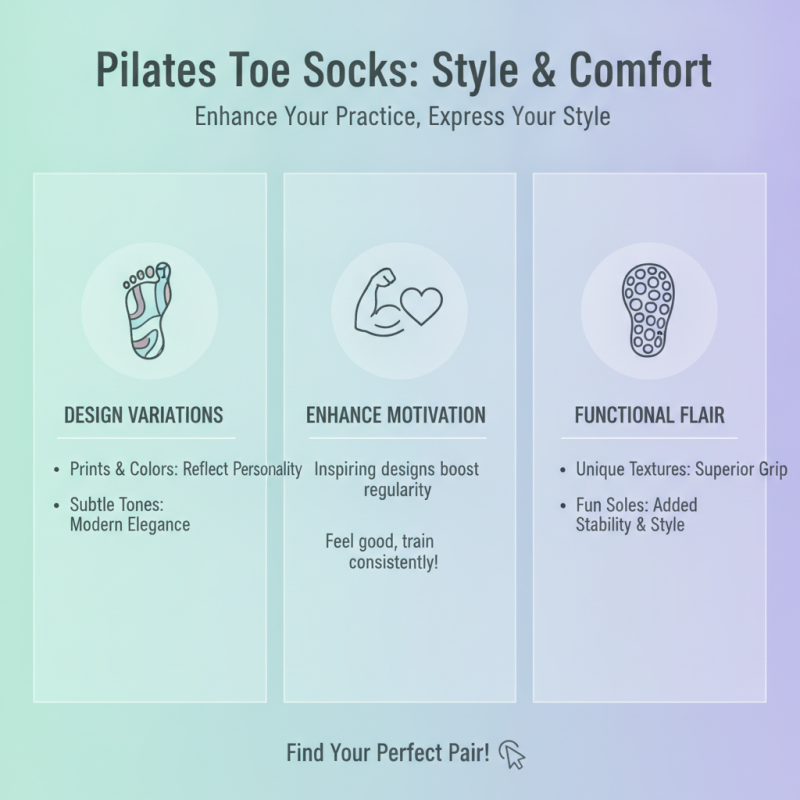
When selecting Pilates toe socks, consider how design variations can enhance your style. From vibrant prints to subtle tones, choices abound. Patterns can reflect your personality, adding flair to your workout attire. Fun soles or unique textures can improve grip. These details can also motivate you to practice regularly.
Functionality is vital, but design should not be overlooked. Look for features like mesh panels for breathability. Some socks have silicone grips that prevent slippage. Consider your workout environment when making choices. A beachy vibe may call for bright colors, while a studio setting might suit more neutral tones.
Before buying, try on different styles. Ensure your socks fit snugly but comfortably. A good fit prevents distractions during sessions. Check the fabric; it should be durable yet soft. Remember, your selection not only affects performance but also boosts self-confidence. Reflect on what styles resonate with you the most. This thoughtful approach will lead to an enjoyable Pilates experience.