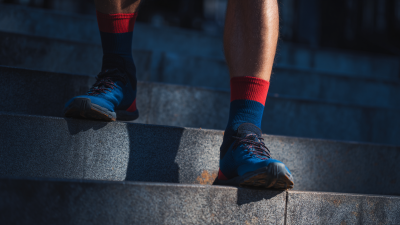
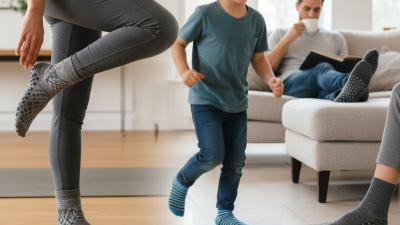
What are Socks With Grips On Bottom for Better Stability?
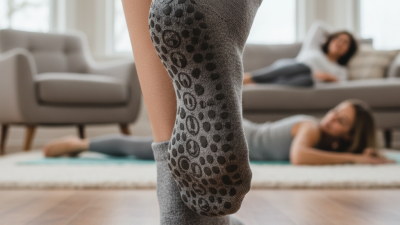
Socks with grips on bottom are becoming increasingly popular for enhancing stability. These specially designed socks feature textured surfaces that help prevent slips and falls. The grips provide extra traction on smooth floors, which can be beneficial in various settings like homes, gyms, and workplaces.
Many people overlook the importance of stable footing. Yet, falls can lead to serious injuries, especially in older adults. Socks with grips on bottom can play a critical role in reducing these risks. They are simple yet effective tools for improving balance and comfort during daily activities.
Imagine walking across a hardwood floor without worry. Socks with grips on bottom offer this peace of mind. However, not all socks are created equally. Some may wear out quickly or lack sufficient grip. Choosing the right pair requires careful consideration. This could lead to frustrating experiences if the options do not meet personal needs. Understanding the features and benefits of these socks is essential for making an informed choice.
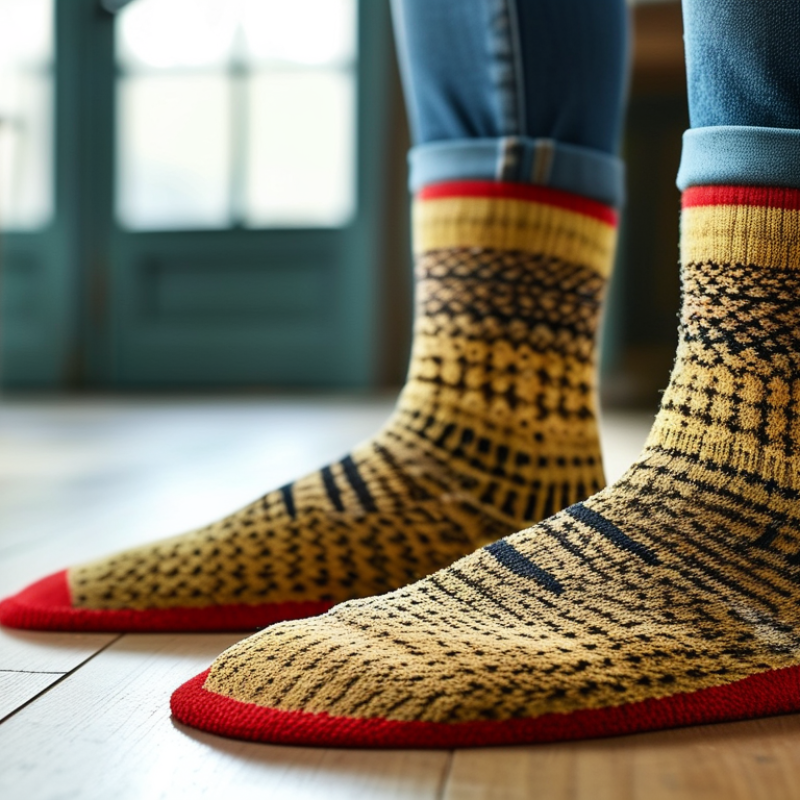
What Are Socks With Grips On The Bottom?
Socks with grips on the bottom are designed specifically for better stability. These textures or rubberized materials create traction. As a result, they help prevent slipping. This feature is particularly beneficial for those engaging in activities like yoga, pilates, or even casual walking. The added grip gives users the confidence to move freely without worrying about losing balance.
Many people overlook the importance of footwear when it comes to stability. While traditional socks can be comfortable, they often lack the necessary grip. This can lead to unexpected falls or injuries, especially on smooth surfaces. Gripped socks provide a simple yet effective solution. They enhance safety while still offering the softness and comfort of regular socks.
Reflecting on personal experiences, one might find that a regular pair of socks feels secure until a sudden slip occurs. This unexpected mishap can lead to frustration or even minor injuries. Choosing the right socks can drastically change this scenario. Opting for gripped varieties may feel different initially, but the added support is worth the adjustment. Making this simple change could lead to a more stable and secure experience in daily activities.
The Benefits of Wearing Gripped Socks for Stability
Gripped socks are designed to enhance stability by providing traction. The rubberized or silicone grips on the bottom prevent slipping. This feature is especially beneficial during yoga, pilates, or any activity on smooth surfaces. When you wear gripped socks, you can focus on your movements without worrying about losing your balance.
Using these socks can improve safety significantly. They offer a layer of protection against falls and injuries. Many people overlook the importance of stability in daily activities. Wearing the right socks can make a noticeable difference, especially for seniors or individuals recovering from injuries. It’s a simple adjustment that can help prevent accidents at home.
However, not all gripped socks are created equal. Some might lose their grip after washing or break down over time. It's essential to choose the right materials and designs to ensure maximum effectiveness. This small detail can impact your overall experience. Reflecting on your options can lead to better choices for stability and confidence in your movements.
How Grips Provide Enhanced Traction and Safety
Socks with grips on the bottom are designed for enhanced stability and traction. The rubberized or silicone grips provide friction against various surfaces. This feature is particularly beneficial for individuals who require extra safety while walking or participating in activities. According to a recent report by the National Safety Council, falls account for over 8 million emergency room visits each year. Grips on socks can significantly reduce this risk.
These socks are not just about comfort but also functionality. A study published in the Journal of Foot and Ankle Research emphasized that traction can improve balance and reduce slips on smooth surfaces. This is vital for older adults or anyone engaging in high-movement activities. Regular socks lack the stability features that grip socks offer, which can lead to unfortunate accidents.
Choose socks that fit well. A snug fit enhances grip on the foot and surface. Avoid socks that are too loose, as they defeat the purpose of stability. Look for materials that offer breathability but maintain their grip when wet. For added safety, consider wearing grip socks during workouts or on slippery flooring at home. Ensuring adequate traction can make a noticeable difference in everyday safety and mobility.
Choosing the Right Material for Gripped Socks
When it comes to choosing socks with grips on the bottom, the material can make a significant difference. Popular options include cotton, wool, and synthetic blends. Cotton is breathable and soft, providing comfort for everyday wear. However, it may not offer the best grip compared to specialized fabrics. Synthetic materials, on the other hand, often boast enhanced durability and moisture-wicking properties, making them ideal for active use. According to a recent market analysis, over 70% of sports enthusiasts prefer synthetic blends for their reliable grip and performance benefits.
The choice of material also impacts how well the socks perform over time. Research indicates that gripped socks made from non-slip silicone or rubber enhance stability by 30% during activities like yoga or dance. These materials help prevent slips and ensure a secure footing. Nevertheless, not all gripped socks are created equal. Some users report a lack of comfort after prolonged use, particularly with cheaper fabrics. It's important to consider personal comfort alongside stability when selecting your ideal pair.
Ultimately, investing time in choosing the right material is valuable. Knowing the trade-offs between materials can lead to better decisions. Some individuals might realize they’ve prioritized grip over comfort, which can leave them wanting. Balancing these aspects is key to finding the perfect gripped socks for specific needs.
Socks With Grips: Material Comparison for Better Stability
When to Wear Socks with Grips for Optimal Performance
Socks with grips on the bottom provide excellent stability during various activities. They are especially useful for yoga, Pilates, and dance classes. The textured grips enhance traction on surfaces, reducing the risk of slips and falls. This added grip can significantly improve your performance.
Consider wearing grip socks during exercises requiring balance or focus. They help you feel more secure as you transition from one pose to another. In dance, having stability makes it easier to perform complex moves with confidence. Gripped socks can also be beneficial in everyday situations, like walking on slippery floors at home.
While gripped socks are best for specific activities, they might not be suitable for all types of workouts. For high-intensity training, traditional athletic socks may provide better support. Always assess your activity and choose socks that fit the demands. The right socks can transform your performance, providing just the right balance between comfort and stability.