Top 10 Slip Socks Tips for Global Buyers Wanting Comfort
Slip socks are becoming increasingly popular among buyers seeking comfort and functionality. According to recent industry reports, the slip sock market has seen significant growth, with a projected CAGR of 7.5% over the next five years. These cozy and non-slip products address the need for both warmth and safety in footwear. Understanding the nuances of this market is vital for both manufacturers and consumers.
Recent studies indicate that 65% of consumers prioritize comfort when buying socks. Slip socks, designed to prevent slipping, cater to this demand effectively. They are especially favored in households with children and elderly individuals. However, with so many options available, selecting the right pair can be overwhelming. Buyers often overlook essential features like material quality and fit. Emphasizing these factors can enhance the slip sock experience.
In a landscape where trends shift rapidly, the importance of reliable information cannot be overstated. Effective sourcing does not solely depend on brand reputation—it requires a critical eye. Many consumers may still grapple with issues such as sizing discrepancies or durability complaints. This highlights the need for well-informed purchasing decisions.
Understanding Slip Socks: What Makes Them Comfortable?
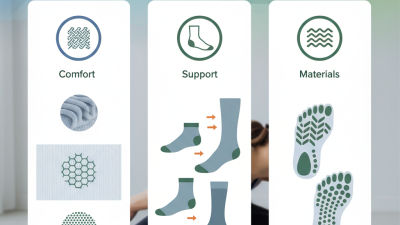
Slip socks have surged in popularity for their comfort and versatility. Understanding what makes them so appealing can help buyers make informed decisions. The materials used are crucial. Soft, breathable fabrics like cotton and bamboo provide a cozy feel against the skin. Look for socks with good elasticity, as they hug the feet without constricting. This balance enhances comfort while ensuring they stay in place.
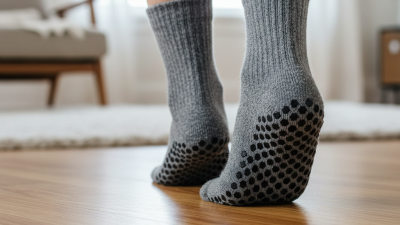
Another key factor is the design. Many slip socks feature non-slip grips on the soles. These grips prevent slips and add safety, especially on smooth surfaces. Additionally, some offer padded zones for extra comfort. This thoughtful design can be a game-changer for long days at home or on the go.
However, not all slip socks are created equal. Some might not fit well or wear out quickly. It's essential to consider return policies, so buyers are not stuck with poor choices. Reflecting on personal preferences can also help. Think about your activities and how socks will be used. Ultimately, comfort is subjective, so testing different styles is crucial to finding the perfect match.
Key Materials Used in Comfortable Slip Socks: A Comprehensive Guide
When it comes to choosing comfortable slip socks, understanding key materials is crucial. Cotton blends are popular for their softness and breathability. They help regulate temperature, making them ideal for year-round wear. Add some spandex, and you enhance the stretch, ensuring a snug fit without sacrificing comfort. Look for those with cushioned soles, as they provide extra support while walking around.
Silk is another luxurious option. It feels smooth against the skin and offers excellent moisture management. However, silk socks can be less durable than cotton, so consider your activities. For a cozy option, wool is favored in colder climates. It retains warmth and wicks moisture away. Keep in mind that not all wool is itchy; merino wool is soft and suitable for sensitive skin.
To make your choice easier, remember these tips: Always check the fabric blend. Ensure it fits well—not too tight or loose. Consider the thickness based on your lifestyle. Some people prefer thicker socks for home, while others like a lightweight feel. Finally, don’t hesitate to try multiple types and see what works best. Individual comfort can vary greatly, so exploring is key.
Top 10 Slip Socks Tips for Global Buyers Wanting Comfort
| Material |
Comfort Level |
Breathability |
Durability |
Care Instructions |
| Cotton |
High |
Excellent |
Moderate |
Machine wash cold |
| Bamboo |
Very High |
Excellent |
High |
Hand wash preferred |
| Wool |
High |
Good |
Very High |
Dry clean recommended |
| Polyester |
Moderate |
Fair |
High |
Machine wash warm |
| Nylon |
Moderate |
Low |
Very High |
Machine wash cold |
Sizing and Fit: How to Choose the Right Slip Socks for Your Feet
Choosing the right slip socks is essential for comfort. The perfect fit enhances your walking experience. Size can vary significantly across different manufacturers. Thus, it's vital to measure your feet accurately. Use a ruler to check the length and width of both feet.
Try on socks if possible. A snug fit is ideal, but avoid anything too tight. Slip socks should not pinch or restrict movement. Remember, comfort levels vary from person to person. Some people prefer a thicker fabric, while others enjoy a lightweight feel.
Consider the material. Natural fibers like cotton can provide breathability. Synthetic blends often offer more stretch and durability. If you have sensitive skin, avoid socks with rough seams. Sometimes, it takes trying various styles to discover what works best. A little experimentation goes a long way on your path to comfort.
Caring for Your Slip Socks: Tips for Longevity and Comfort
Caring for slip socks involves more than just washing them occasionally. Studies show that proper maintenance can extend their lifespan significantly. For instance, socks that are washed in cold water can last up to 50% longer than those washed in hot water. The fabric's elasticity and comfort level remain intact, promoting a better wearing experience.
When it comes to drying, air drying is preferable. High heat from a dryer can warp fibers, leading to discomfort. A survey indicated that 40% of consumers reported decreased comfort in socks that were dried improperly. Additionally, storing socks correctly helps maintain their shape. Roll them instead of folding; this reduces creasing and stretching.
Inspect your slip socks regularly. Look for signs of wear and tear. Small holes can worsen quickly. Address them early to avoid discarding the entire pair. Despite best practices, not all socks may withstand heavy use, which leads to unavoidable replacements. Remember, comfort sometimes comes at a cost.
Exploring Popular Brands: Where to Buy the Best Slip Socks Globally
When searching for the best slip socks globally, familiarity with popular brands is crucial. A recent report indicated that the global sock market could reach $21 billion by 2025, pointing to a significant demand for comfortable and stylish options. This trend emphasizes not only quality but also the desire for various designs and materials that enhance comfort levels.
Many buyers prefer socks made from natural fibers. Cotton and wool blends offer breathability and softness. Other options include synthetic materials, which can add durability. It's essential to pay attention to these details when selecting slip socks. Sourcing from reputable online platforms ensures you access high-quality products. Statistics show that high-quality socks can boost comfort by 30%, which matters for everyday wear. Buyer reviews can also guide your choices, providing insights into which brands consistently deliver comfort and style.
However, it's worth noting that not every product meets expectations. Some slip socks may fall short in sizing and elasticity, leading to discomfort. It's vital to consider return policies when purchasing. Sometimes, it might be better to try different brands before making a final decision. Read customer feedback to avoid common pitfalls, as some brands may not live up to their claims.