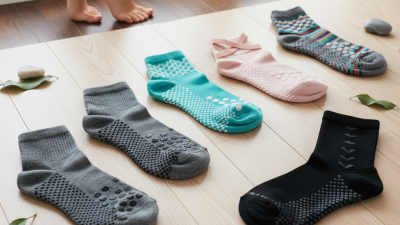
Top 10 Socks With Grips On Bottom for Ultimate Comfort?
Finding the right socks can significantly impact daily comfort. Socks with grips on bottom are gaining popularity in the footwear industry. According to a report by Market Research Future, the global hosiery market, including non-slip socks, is projected to grow by 4.1% annually. This trend reflects a heightened interest in comfort and safety.
Socks with grips on bottom are ideal for various activities. They offer stability while walking on slippery surfaces. Many users report reduced slips and falls, especially at home. This is particularly important for older adults who are more vulnerable to injuries.
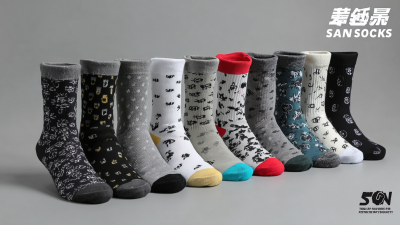
The design of these socks varies widely. Some socks are thicker for warmth, while others offer breathability. However, not all brands deliver the promised grip. Users often express confusion over selecting the right pair. This inconsistency in quality can lead to dissatisfaction. Choosing the perfect socks requires careful consideration of both style and function.
Benefits of Wearing Socks with Grips on the Bottom
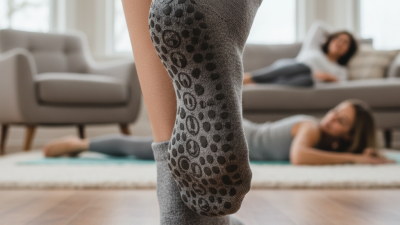
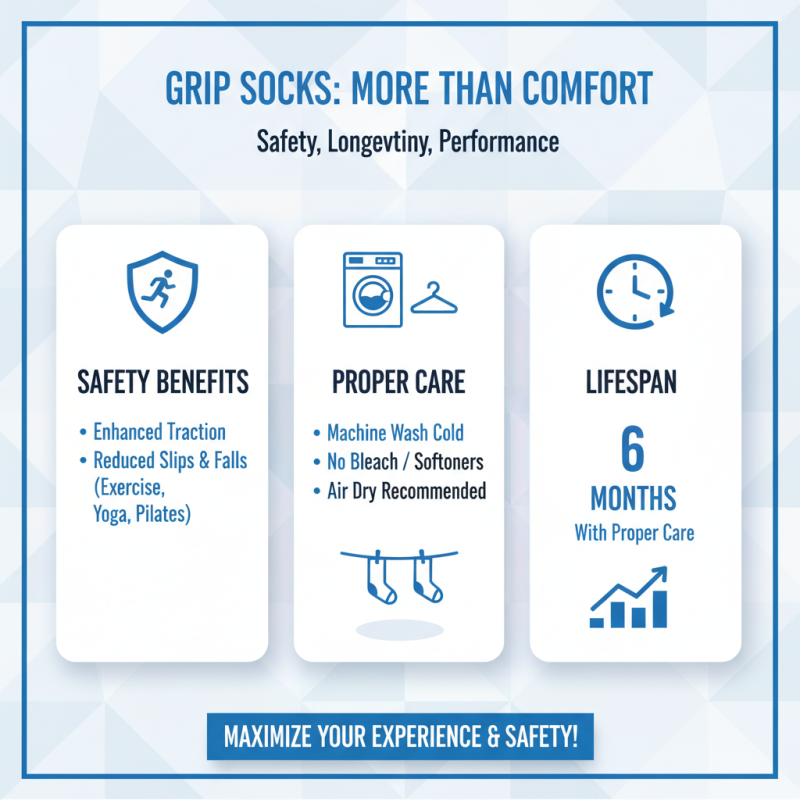
Wearing socks with grips on the bottom offers a range of benefits for daily life. These socks enhance traction on slippery surfaces. This feature is particularly useful in homes with tile or hardwood floors. The grips help prevent accidental slips and falls, making everyday movements safer.
Comfort is another important factor. Socks with grips are often made from soft, breathable materials. They provide warmth without overheating. This makes them ideal for lounging at home or during light exercise. Some people find that these socks improve stability while performing yoga or pilates. However, not everyone may find them suitable for running or high-intensity activities due to potential overheating or restricted movement.
Additionally, socks with grips can foster a sense of security. Many users express relief when navigating their homes without fear of slipping. It's an overlooked way to improve one's environment. Still, some may find that the grips lose effectiveness over time. Regularly checking the condition of the socks is essential. Overall, the benefits of grip socks present a compelling case for choosing them, yet they are not the perfect solution for everyone.
Types of Materials Used in Grip Socks
Grip socks have become increasingly popular due to their
comfort and safety features. They serve a practical
purpose, especially in activities like yoga and Pilates.
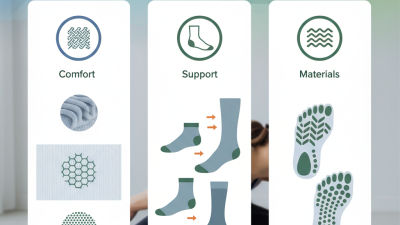
Various materials are used to enhance grip and comfort. The most common include
cotton, polyester, and spandex.
Each material has unique properties that contribute to overall performance.
Cotton is breathable and soft. It absorbs moisture well,
making it comfortable during intense workouts. However, it may wear out faster than synthetic alternatives.
Polyester, on the other hand, is durable and resistant to
shrinking. It maintains shape and dries quickly, which is crucial for those who sweat heavily.
Spandex adds a stretchy quality, ensuring a snug fit without
restricting movement.
Industry reports indicate that over 60% of consumers prefer
synthetic blends for grip socks. These blends offer enhanced durability and grip. However, many still seek the
natural feel of cotton. Despite the advantages of synthetic
materials, the debate over comfort versus functionality remains. Consumers are left pondering which material
aligns best with their lifestyle.
Top Features to Look for in Grip Socks for Comfort
When choosing grip socks, comfort should be your main focus. Look for soft, breathable materials that keep your feet cozy. The thickness can also impact comfort—too thick, and they might feel bulky; too thin, and they may offer little warmth. Choose a pair that feels just right.
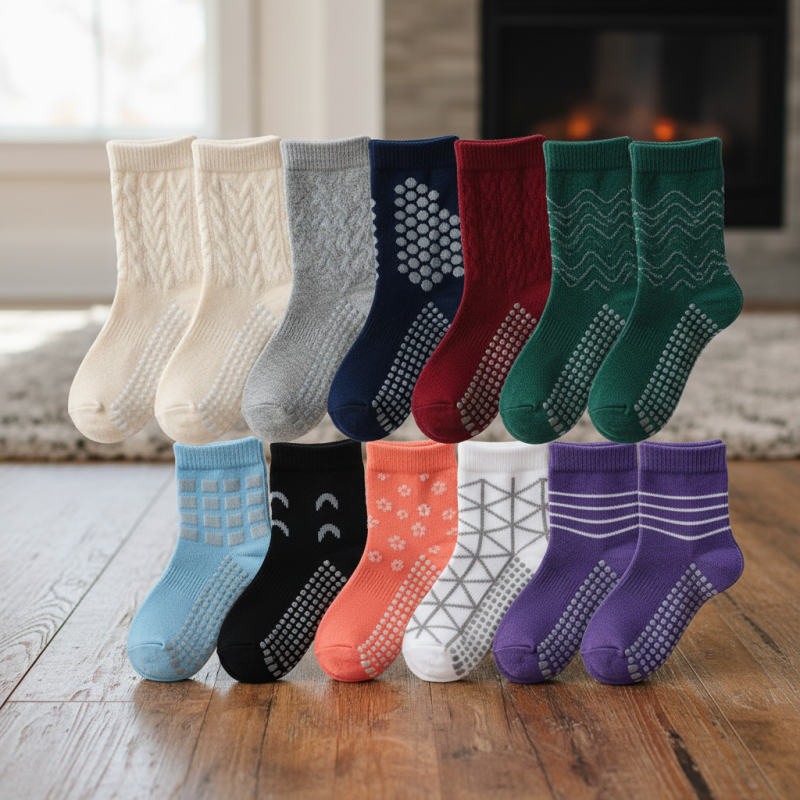
The grip design is crucial. Rubberized patterns on the bottom enhance traction on various surfaces. Ensure they are strategically placed for maximum grip during movement. Some socks have added cushioning, which provides extra support for your arches and heels. Consider the fit as well; socks that are too loose will bunch up, while tight ones may restrict circulation.
You might find it challenging to balance all these features. Sometimes, a sock that excels in grip may compromise softness. Finding that perfect combination can take time and experimentation. Reflect on your personal needs. What activities will you use them for? The right pair will elevate your comfort experience significantly.
Best Brands Offering Grip Socks for Optimal Performance
Grip socks have become essential for comfort and stability. They feature rubberized bottoms that prevent slipping. This design is especially beneficial during workouts or yoga sessions. Imagine moving confidently, knowing your feet won’t slide. The grip enhances performance significantly.
Many brands focus on creating high-quality grip socks. They prioritize comfort, using soft materials that feel great against the skin. Some even incorporate moisture-wicking fibers to keep feet dry. Look for options that offer arch support, as this adds to overall comfort. However, not every sock fits every foot perfectly. Sizing can be tricky, and sometimes the fit may feel too snug or loose.
Exploring various options may lead to unexpected discoveries. While some socks excel in grip, others might lack cushioning. It’s essential to test different pairs. You might find yourself adjusting to different levels of support and grip. Feedback from users often highlights flaws or areas for improvement. Such insights can steer you towards the best choices for your needs.
Top 10 Socks With Grips On Bottom for Ultimate Comfort
| Socks Type |
Material |
Grip Type |
Thickness |
Recommended Use |
| Yoga Socks |
Cotton Blend |
Silicone Dots |
Medium |
Yoga, Pilates |
| Running Socks |
Polyester |
Rubber Grips |
Thin |
Running, Sports |
| Non-Slip House Socks |
Wool Blend |
Felt Grips |
Thick |
Home, Leisure |
| Ballet Socks |
Spandex Blend |
Silicone Grips |
Medium |
Dance, Ballet |
| Fitness Socks |
Nylon |
Textured Grips |
Thin |
Gym, Workout |
| Casual Grip Socks |
Cotton |
Rubber Dots |
Medium |
Everyday Wear |
| Compression Socks |
Elastic Blend |
Silicone Strips |
Medium |
Medical, Sports |
| Skating Socks |
Wool |
Rubber Grips |
Thick |
Ice Skating |
| Travel Socks |
Polyester Mix |
Gel Grips |
Thin |
Long Flight |
How to Care for and Maintain Grip Socks for Longevity
Grip socks are not just for comfort. They offer safety, especially during exercises. Proper care ensures their longevity. Understanding how to maintain them can enhance your experience. According to industry data, grip socks can last up to 6 months with proper care.
To clean grip socks, wash them with cold water. Avoid using bleach. A gentle detergent is optimal. Air drying is best. High heat can deteriorate grip functions. It’s also essential to inspect them regularly for wear and tear.
Tips for Maintenance: Store them in a cool, dry place. Do not fold them tightly. Flat storage helps retain their shape. Be aware of frays and loose grips. Replace them if any are damaged. Prioritizing the care of your grip socks extends their life.
Remember, cleanliness matters, too. Regular washing prevents odor build-up. Grip socks are an investment in your comfort and safety. Treat them with respect, and they will serve you well.