What Are Traction Socks and Why Use Them?
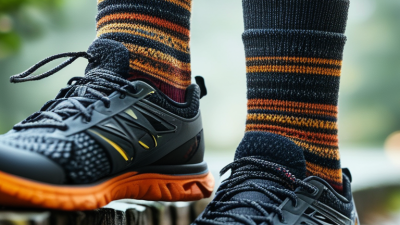
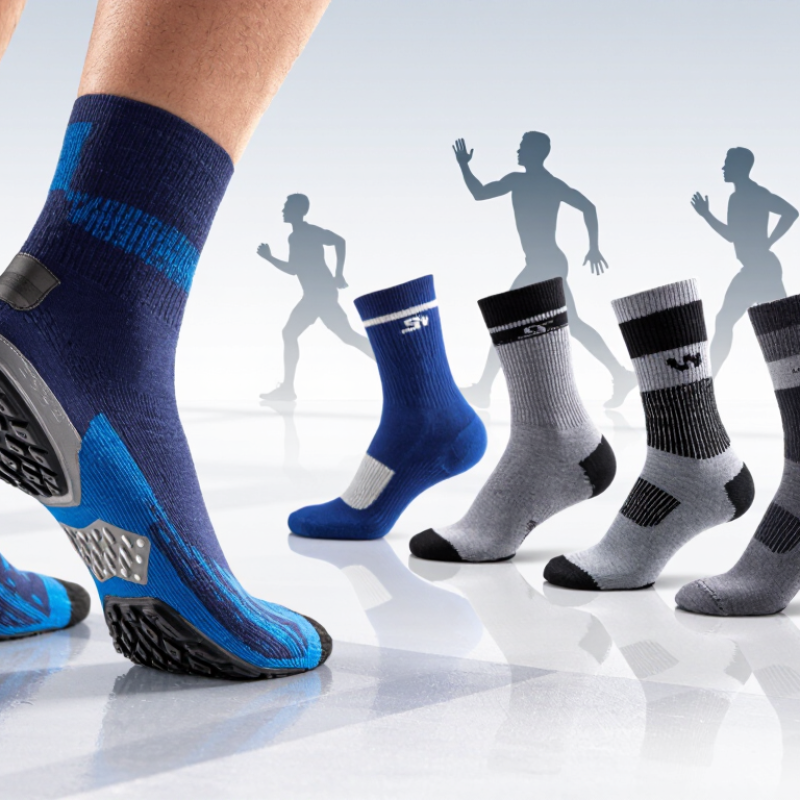
Traction Socks are designed to improve grip between your feet and the inside of your shoes. Unlike ordinary socks, they often include rubberized patterns beneath the toes, forefoot, or heel. These small contact points can reduce unwanted sliding during running, training, yoga, dance, and court sports. Imagine pushing off in a damp gym, then feeling your foot stay more securely aligned. That difference may feel subtle, but it can influence comfort and movement confidence.
The main benefit is improved foot stability. Traction Socks may help limit internal foot movement, reduce bunching, and support more controlled changes of direction. They can also add warmth without the bulk of thicker athletic socks. Physical therapists and sports professionals often consider grip, shoe fit, surface conditions, and movement technique together. Socks alone cannot correct poor footwear or an underlying injury. They are not magic.
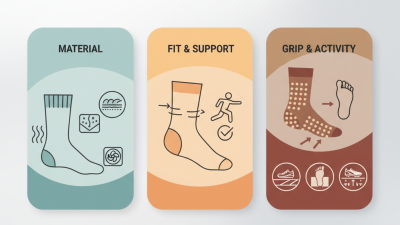
Material matters, too. Breathable fibers can help manage moisture, while reinforced zones may withstand repeated washing. However, grip patterns can wear down, and some designs may feel restrictive across the toes. A good pair should fit closely without leaving pressure marks, numbness, or irritated skin. Users should inspect the sole after several sessions, especially when traction suddenly decreases. Research on specialized sock designs remains limited, so personal comfort and practical testing still matter. In this guide, we will examine how Traction Socks work, who may benefit from them, and when standard athletic socks remain the better choice.
What Are Traction Socks?
What Are Traction Socks and Why Use Them?
What Are Traction Socks?
Traction socks are fitted socks with textured grips beneath the foot. These grips are usually made from silicone or flexible rubber. They create extra friction against smooth indoor surfaces, such as polished wood, tile, or studio floors. Unlike ordinary socks, traction socks reduce sliding when you walk, stretch, or exercise without shoes. Their fabric also needs to manage moisture and stay close to the skin. A loose heel can cancel out the benefit.
They are commonly used for yoga, Pilates, home workouts, rehabilitation, and hospital mobility. The Centers for Disease Control and Prevention reports that more than one in four adults aged 65 and older fall each year. Its STEADI initiative also links falls with millions of emergency department visits.
Traction socks may support safer movement, but they are not medical fall-prevention devices. That distinction matters.
The World Health Organization estimates that about 684,000 people die from falls globally each year. Smooth flooring is only one risk. Poor lighting, wet surfaces, weak balance, and unsuitable footwear also matter.
Traction socks work best on clean, dry floors. They can perform poorly on stairs, thick carpets, or wet tiles. Check the grip pattern before use. Some socks feel secure at first, then shift after repeated washing. My practical concern is simple: comfort can create false confidence. Good fit helps, but careful movement still matters.
How Traction Socks Work
Traction socks are close-fitting socks with grippy patterns on the soles. These patterns often use silicone or rubber-like materials. They create more friction between your feet and the floor. That extra grip can reduce sliding during stretching, yoga, home workouts, or rehabilitation exercises.
The mechanism is simple but depends on several details. When your foot presses down, the traction zones spread pressure across small contact points. Friction then helps your foot stay connected to the surface. A snug fit keeps the fabric from twisting inside the sock. Moisture also matters. Sweat can make some floors slippery, even when the sole has visible grips. Clean, dry flooring usually gives better results.
Traction socks are not magic. Their grip may weaken on dusty tiles, wet surfaces, or polished floors. They can also feel uncomfortable if the elastic is too tight. A practical check is easy: stand still, shift your weight slowly, and notice whether the sock moves. Then test a gentle lunge before attempting faster movements. Physical therapists often consider balance, foot strength, and floor conditions together, rather than relying on footwear alone. This seems obvious, but it is easy to overlook. Regular inspection helps too, because worn grip patterns may look acceptable while performing poorly.
Key Features and Materials
What Are Traction Socks and Why Use Them?
Key Features and Materials
Traction socks are lightweight socks with grip elements on the soles. They can improve stability during yoga, pilates, barre, stretching, or indoor training. Unlike ordinary socks, they help reduce sliding on smooth floors. The grip is useful, but it cannot replace proper footwear outdoors.
A good pair usually combines a soft knitted upper with silicone or rubber-like traction dots. These dots may cover the heel, ball, and toes, where slipping often begins. Cotton feels familiar, while polyester and nylon improve strength and drying speed. A small amount of elastane helps the sock stay fitted without feeling restrictive. Breathable mesh panels can reduce heat around the top of the foot.
Fit matters more than heavy grip. The heel should sit flat, and the toe area should not bunch during movement. I have found that overly thick socks can make balance feel less natural. That detail is easy to miss. Moisture-wicking fibers help during longer sessions, but they do not keep every foot dry. People with sensitive skin should check the material list and stop using the socks if irritation appears. Wash them gently, and avoid high heat, since repeated heat can weaken elastic fibers and traction patterns.
Benefits of Using Traction Socks
What Are Traction Socks and Why Use Them?
Traction socks are fitted socks with rubberized grips on the soles. They help your feet stay steady on smooth indoor surfaces. Unlike ordinary socks, they create friction beneath the toes and heels. This can make stretching, pilates, yoga, and light home exercise feel more controlled. They also keep feet warm without the bulk of indoor shoes. In my experience, the added grip feels most useful during slow movements, especially when changing position.
Benefits of Using Traction Socks
Better traction may support balance and reduce small slips during floor-based activities. The close fit can also improve foot awareness, helping you notice how pressure moves through your toes. Some people appreciate the comfort of a soft barrier between their feet and shared studio floors. However, traction socks are not magic. They cannot replace proper technique, suitable flooring, or professional advice after an injury. Their grip may weaken with washing, and overly tight socks can restrict comfort. That detail is easy to overlook.
Tips: Choose a snug but non-restrictive fit. Check the grips before each session. Wash them according to the care instructions. Let them dry fully to reduce odor and fabric wear. Test them on the actual floor first. A polished studio floor may feel different from a wooden home floor. If your feet slide, stop and adjust rather than forcing the movement.
What Are Traction Socks and Why Use Them?
Functional relevance of common traction-sock benefits across everyday activities
Traction socks are designed with non-slip grips on the sole to help improve contact with indoor floors.
They are commonly used for activities such as yoga, Pilates, home workouts, rehabilitation exercises, and walking
on smooth surfaces. The chart uses a practical 0–5 relevance scale, where 5 indicates that the feature is highly
relevant to the activity.
Choosing the Right Traction Socks
Traction socks are socks with rubberized or silicone grips on the soles. They help reduce sliding on smooth floors during yoga, Pilates, stretching, or light home workouts. Choosing the right pair starts with the activity. Small grips may suit gentle movement, while wider patterns can feel steadier during balance exercises. Fit matters. A secure heel should stay in place without squeezing your toes.
Check the fabric before choosing. Breathable cotton blends feel comfortable during short sessions, but moisture-wicking fibers may work better during longer training. Look for a flexible sole that bends with your foot. Excessively thick grips can feel awkward inside shoes. I once chose a pair that felt wonderfully soft, yet the loose cuff shifted during lunges. That mistake changed how I judge socks. Comfort alone is not enough.
Inspect the grip layout, too. Coverage under the heel and ball of the foot usually feels more useful than decoration near the arch. The material should remain attached after washing. Follow the care instructions carefully, because high heat may weaken elastic fibers or grip materials. If you have sensitive skin, examine seams and avoid rough stitching. Try walking, turning, and standing on one foot before regular use. A sock that works on a carpet may behave differently on polished tile. That detail is easy to overlook.