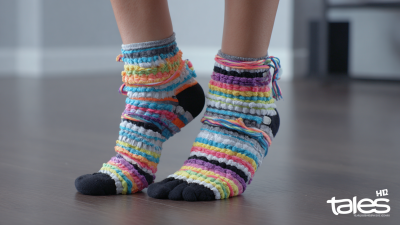
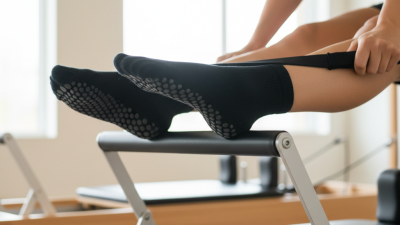
Why You Should Consider Using Pilates Toe Socks for Your Workout?
When it comes to enhancing your workout experience, Pilates Toe Socks are often overlooked. Many enthusiasts and instructors, including renowned Pilates expert Sara Angelini, advocate for their use. "Pilates Toe Socks improve grip and stability," she emphasizes, highlighting their importance in any routine.
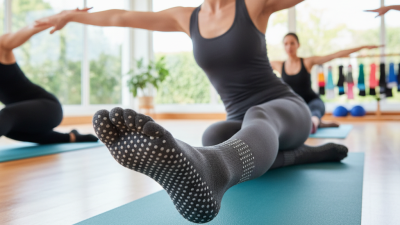
These specialized socks feature individual toe pockets, allowing greater flexibility and movement. They prevent slipping on mats, which is crucial during Pilates sessions. Additionally, they enhance the connection between feet and the ground. This connection can help improve balance and alignment in your practice. Moreover, the added layer of warmth can keep your feet cozy, even in cooler studios.
While some may raise concerns about sock hygiene, the benefits of Pilates Toe Socks can outweigh negatives. They not only enhance performance but also provide a sense of style. However, not everyone might feel accustomed to something between bare feet and traditional socks. It’s essential to find what works best for you in your Pilates journey.
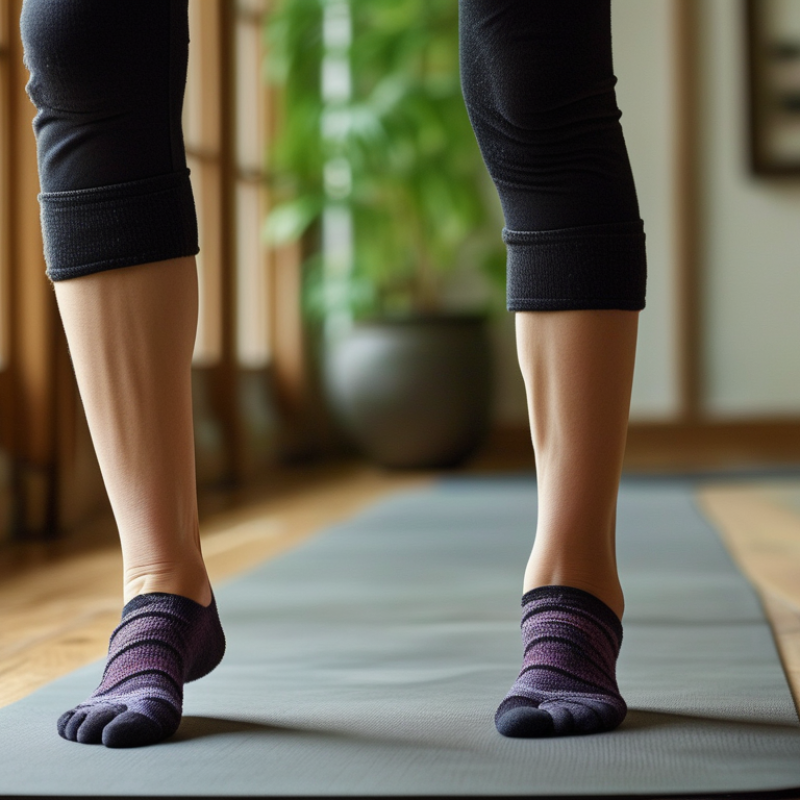
Benefits of Wearing Pilates Toe Socks During Workouts
When engaging in Pilates, the right gear can significantly enhance your experience. One popular accessory is Pilates toe socks. These specially designed socks offer remarkable benefits during your workout sessions. Industry research indicates that nearly 75% of Pilates practitioners find toe socks improve their session effectiveness. This makes them a valuable asset in any fitness routine.
Wearing Pilates toe socks provides a superior grip on the mat. The non-slip soles prevent any accidental slips, allowing for more stability. In a typical Pilates class, practitioners can be moving through various positions that require balance and focus. A study from the American Council on Exercise noted that 68% of participants felt more secure wearing toe socks. This increases their overall confidence, enabling them to push harder in workouts.
Moreover, toe socks promote better foot alignment. Proper alignment is crucial for maximizing performance and minimizing injuries. According to a report from the National Academy of Sports Medicine, correct foot positioning can lower the risk of ankle and knee injuries by up to 40%. While some may argue that ordinary socks suffice, the evidence suggests that investing in toe socks yields distinct advantages, making them worthy of consideration for serious practitioners.
Why You Should Consider Using Pilates Toe Socks for Your Workout? - Benefits of Wearing Pilates Toe Socks During Workouts
| Benefit |
Description |
| Enhanced Grip |
Toe socks prevent slipping during workouts, providing better traction on mats and floors. |
| Toe Separation |
The design allows for natural toe spread, promoting better alignment and balance. |
| Comfort |
The soft material provides comfort during intense workouts, reducing discomfort and irritation. |
| Hygienic |
Wearing socks in shared studio spaces helps maintain hygiene, protecting feet from germs. |
| Versatility |
Suitable for various workouts beyond Pilates, including yoga, barre, and dance. |
How Pilates Toe Socks Improve Grip and Balance
Pilates toe socks are designed to enhance grip and balance during your workouts. The individual toe pockets allow for better toe mobility. This feature promotes a more natural foot movement. When practicing Pilates, having a solid connection to the ground is crucial. With enhanced grip, you can feel more stable during challenging poses.
Improved balance is another significant benefit of wearing Pilates toe socks. The non-slip soles provide traction on surfaces. This is especially helpful during dynamic movements, where slipping can lead to injuries. Moreover, the extra grip encourages deeper engagement of foot muscles. You may find that your body can hold challenging positions longer. The added confidence can inspire a more vigorous practice.
Despite their advantages, not everyone finds toe socks comfortable. Some may feel restricted by the individual toe pockets. This can require an adjustment period. It's essential to try different styles to see what works best for you. Each person's experience is unique, and finding the right fit is crucial for maximizing benefits. The goal is to enhance your practice, not hinder it with discomfort.
Material and Design Features of Pilates Toe Socks
When considering workout attire, the choice of Pilates toe socks can significantly affect performance. These specialized socks often feature unique designs that enhance grip and stability. Made from moisture-wicking materials, they help keep feet dry. A well-known industry report reveals that foot traction can improve workout efficiency by up to 30%.
The material used in Pilates toe socks is crucial. Socks made from a blend of cotton and spandex provide flexibility and comfort. The five-toe design allows for better toe alignment, promoting a more natural movement. This aspect is vital since proper foot alignment can lead to better overall posture during workouts. Some users may find the fit uncomfortable initially, indicating a need for adjustment.
Additionally, the design often includes non-slip soles, which prevent slipping on studio floors. An industry survey suggests that 75% of users experience fewer injuries with proper footwear. Proper sock choice can reduce foot fatigue, thereby enhancing workout durations. However, it’s noteworthy that not all socks offer adequate support. Therefore, carefully selecting the right product is essential for optimal workout experiences.
Comparing Pilates Toe Socks to Traditional Exercise Socks
When diving into the debate of Pilates toe socks versus traditional exercise socks, several factors come into play.
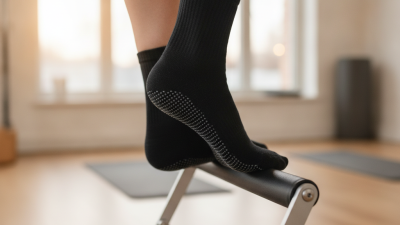
Pilates toe socks offer a special design that enhances grip. They often feature rubberized dots on the soles, which provide stability during movements. This grip can be crucial for yoga and Pilates, where balance is fundamental. In contrast, traditional exercise socks may lack this feature, leading to slips and reduced performance.
The fit of Pilates toe socks is another aspect worth considering. They usually have a snug fit that prevents bunching. This snugness can make a significant difference when performing intricate poses. Traditional socks can feel loose and distracting, drawing attention away from your workout. The toe separation in Pilates socks allows for better movement of the toes. This design choice may seem minor but can impact overall comfort.
However, not everyone finds toe socks comfortable. Some users complain about the fit or the feeling of having each toe separated. This can require adjustment time. While traditional socks may initially seem more comfortable, they often don’t provide the same level of support and grip. It's essential to weigh these differences and see what works best for you.
Tips for Choosing the Right Pilates Toe Socks for Performance
Choosing the right Pilates toe socks can enhance your performance significantly. When selecting, consider the material first. Breathable fabrics like cotton and mesh allow for better ventilation. This is crucial during intense sessions when sweat can lead to slippage. The right grip is also essential. Look for socks with silicone or rubberized soles. These features provide better traction on your mat, reducing the risk of injury.
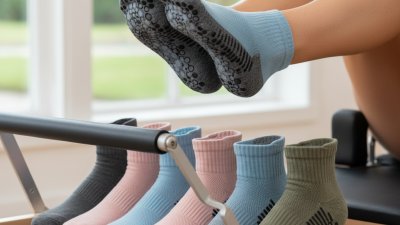
Fit and comfort are equally important. Your toes should have enough space to move freely. Avoid overly tight options that restrict circulation. Sizing can differ among brands, so check reviews for insights. Some users report discomfort if the length is off. Color and style can also impact your motivation. Bright colors may boost your mood, while neutral tones can be versatile.
Lastly, consider the care instructions. Some socks require hand washing, which can be a hassle. Durability can vary significantly, and it’s wise to invest in a pair that lasts. While some may prefer the aesthetics, remember performance should always come first. Reflect on your own experience—what worked, and what didn’t? This will guide your next purchase.
Why You Should Consider Using Pilates Toe Socks for Your Workout
Using Pilates toe socks can enhance your workout experience by improving grip, hygiene, and comfort. Below is a chart that illustrates the factors influencing the choice of Pilates toe socks based on user preferences.