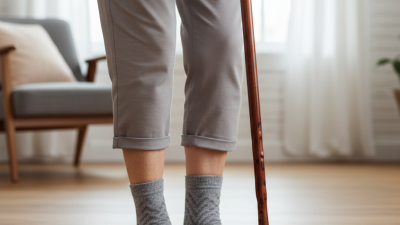
Top Benefits of Traction Socks for Everyday Use?
In today's fast-paced world, comfort and safety are paramount. Traction Socks have emerged as a practical solution for everyday use, particularly for those seeking enhanced stability. According to a report by the Footwear Innovation Lab, around 30% of adults experience slips at home annually, highlighting a critical need for effective footwear solutions. Dr. Emily Stride, a renowned expert in biomechanics, states, “Traction Socks provide a unique blend of comfort and grip, transforming ordinary moments into safer experiences.”
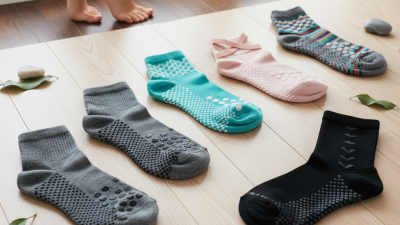
The popularity of Traction Socks comes from their unique design. They often feature silicone grip patterns, enhancing traction on various surfaces, making them ideal for activities such as yoga, pilates, or simply moving around the house. However, variances in quality can lead to inconsistent performance. A survey by the Comfort Wear Association indicated that about 70% of consumers are unaware of the differences in traction technology used in socks. This lack of understanding can lead to suboptimal choices and disappointment.
Furthermore, while many appreciate Traction Socks for their safety features, some may overlook the importance of fit and material. An uncomfortable sock can negate the benefits, leading to foot fatigue. The rise in popularity of Traction Socks is not just about safety. It's about rethinking how we approach comfort and stability in our daily lives.
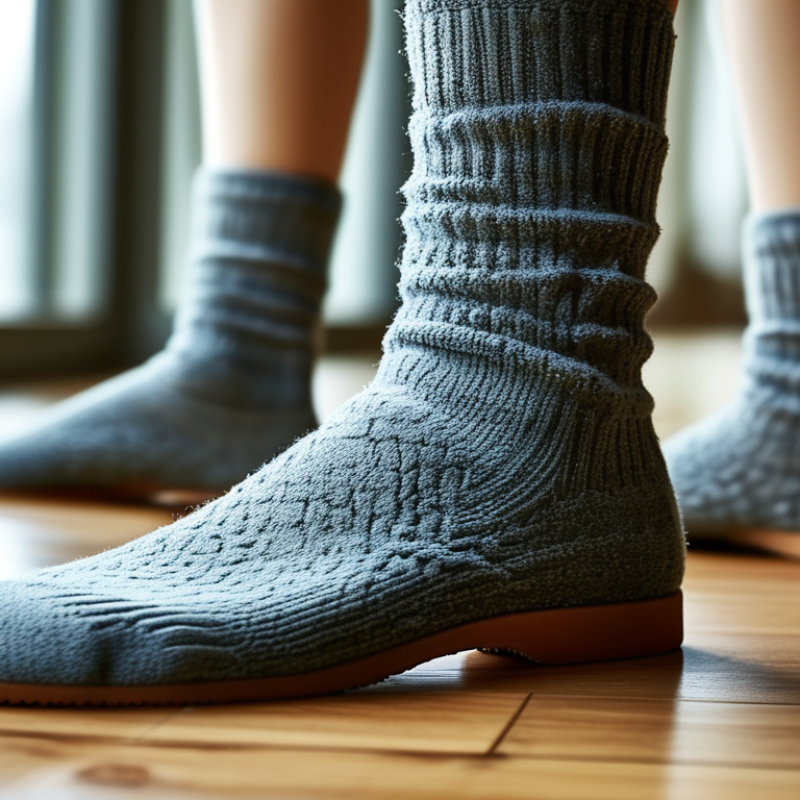
Understanding Traction Socks: What Are They?
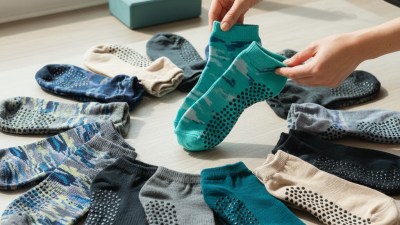
Traction socks are specialized footwear designed to enhance grip and stability. They are often made from breathable, stretchy materials, providing comfort for daily tasks. With rubberized patterns on the soles, these socks help prevent slips on various surfaces. This makes them ideal for use at home, in the gym, or while performing exercises.
Many people find traction socks quite beneficial. These socks can be especially helpful for the elderly or anyone recovering from an injury. They offer more security while moving around, minimizing the risk of falls. However, not everyone may experience the same level of comfort. Some individuals might feel confined by the tight fit. It’s important to choose the right size to avoid unnecessary discomfort.
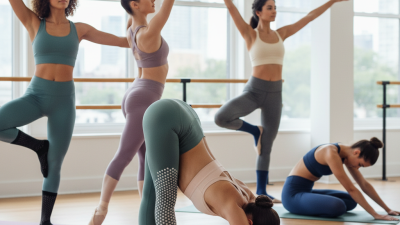
In everyday situations, traction socks can improve mobility. They enable better balance during yoga or while doing chores. Despite their advantages, individuals might need time to adjust to this new type of sock. Listening to your body is key; if they feel too restrictive, it’s worth exploring different styles. The right traction socks can enhance confidence in movement, turning everyday activities into safer experiences.
Key Features of Traction Socks for Everyday Use
Traction socks are designed to enhance stability and reduce slippage. They are especially beneficial for daily activities at home or in shared spaces. Many models feature rubber grips on the soles. These grips help prevent slips on smooth surfaces.
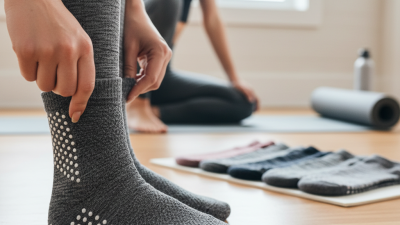
One key feature of traction socks is their snug fit. This ensures that the socks stay in place during movement. A tight cuff can contribute to comfort, but it may feel restrictive for some. Socks come in various materials, often blending cotton and spandex for breathability and flexibility.
Additionally, traction socks are easy to clean. Most can be machine washed without losing grip quality. However, the longevity of the grips may vary with multiple washes. Over time, it’s essential to check for wear and tear. While they may enhance safety, they might not prevent all falls in slippery environments. Balancing comfort and functionality remains critical when choosing traction socks.
Top Benefits of Traction Socks for Everyday Use
Health Benefits of Wearing Traction Socks Regularly
Wearing traction socks regularly offers various health benefits that many people overlook. These socks are designed with grip features to help prevent slips and falls, especially in environments like homes or gyms. This is crucial for maintaining safety and avoiding injuries. Many people struggle with balance, and these socks can provide the extra support needed while walking or exercising.
Moreover, traction socks promote better circulation in the feet. The snug fit helps to enhance blood flow, which can be particularly beneficial for those who spend long hours on their feet. Some users report feeling less fatigue and more comfort throughout the day. The material often used also wicks away moisture, keeping feet dry and reducing the risk of fungal infections.
However, not everyone may appreciate the compression aspect of these socks. Some individuals find them too tight or restrictive. It's important to choose a size that fits well without causing discomfort. Also, the socks might require more frequent washing than regular socks due to their specialized fabric. Balancing these factors is key to maximizing their benefits while ensuring comfort.
How Traction Socks Improve Safety and Stability
Traction socks are a practical innovation designed to enhance safety and stability during everyday activities. A report by the American Institute of Stress reveals that slip and fall accidents account for over 30,000 injuries annually. Traction socks play a pivotal role in reducing these incidents, particularly for the elderly and those with mobility issues. The unique textured sole provides a better grip on various surfaces, minimizing the chances of slipping.
Moreover, these socks can improve stability while walking or standing. A study from the National Safety Council indicates that falls are one of the leading causes of accidental injuries. By incorporating traction-enhancing features, these socks can provide the necessary support to prevent falls. They encourage users to feel confident while moving around their homes or workplaces, fostering a safer environment.
While the benefits are substantial, it’s essential to acknowledge that not all traction socks provide equal grip. Users must be mindful of the quality and design. Some socks may lose their grip after a few washes. Evaluating product reviews and recommendations can help identify reliable options. Overall, traction socks are a vital tool for enhancing daily safety and stability for all individuals.
Choosing the Right Traction Socks for Your Lifestyle
Choosing the right traction socks for your lifestyle is essential for daily comfort and safety. Traction socks are designed to enhance grip, which can help prevent slips and falls. According to a 2021 study published by the Journal of Foot and Ankle Research, using proper footwear and sock combinations can reduce fall rates by up to 50% in elderly populations. This statistic underscores the importance of making informed choices.
When selecting traction socks, consider your daily activities. If your routine includes yoga, opt for lightweight socks with silicone grips. For home use, thicker, padded options may offer better support. Look for materials that provide moisture management. This prevents sweat from causing slips, making your movements safer.
Tips: Always check the sizing guides. Wearing the wrong size can lead to discomfort. Additionally, consider the thickness of the socks. Thicker socks may not fit well in tighter shoes. Reflect on the specific surfaces where you'll wear the socks. Different materials offer varied grip levels on surfaces like wood, tile, or carpet. Adjust your choices according to your environment for optimal performance.