2026 Best Non Slip Yoga Socks for Ultimate Comfort and Safety?
In recent years, the popularity of Non Slip Yoga Socks has surged. According to a 2023 market analysis by Yoga Insights, the demand for these socks has increased by 40% annually. This growth reflects a rising awareness of safety and comfort in yoga practices. Yoga expert Sarah Thompson states, "Non Slip Yoga Socks are essential for enhancing grip and stability during poses."
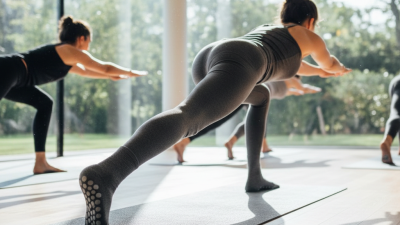
Many practitioners experience challenges with slips and falls on mats. This can disrupt focus and lead to potential injuries. Non Slip Yoga Socks address these issues. They often feature specialized gripping technology, providing stability on various surfaces. Not only do they enhance performance, but they also add a layer of warmth during colder sessions.
Despite the benefits, some users still face discomfort. The fit and material can vary significantly among brands. It’s vital for consumers to test different types before making a purchase. Overall, while Non Slip Yoga Socks contribute to a safer practice, there’s room for improvement in comfort and design. Awareness of this evolving market continues to grow, inviting further innovation.
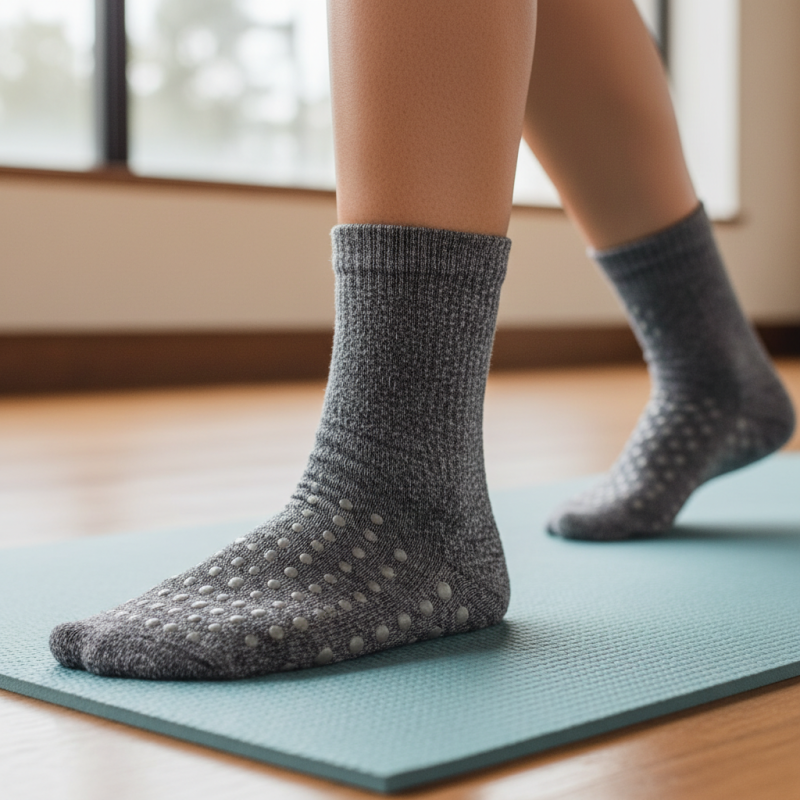
Top Features to Look for in Non Slip Yoga Socks
When choosing non-slip yoga socks, comfort and safety are paramount. Look for materials that are soft yet durable. Cotton blends often provide a cozy feel while allowing breathability. Over time, some socks lose their grip. Check the rubber pads regularly to ensure they retain their traction. A mismatched grip can lead to falls, so replace them when worn out.
Fit is another crucial feature. Socks that are too tight can restrict movement, while loose ones may slip off during practice. Aim for a snug fit that supports your feet without causing discomfort. Color and design can be appealing, but prioritize functionality. Sometimes, the most vibrant socks do not offer the best support.
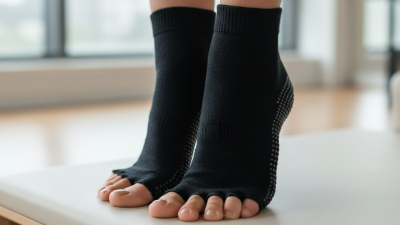
Consider the sock height. Ankle-length options can offer more stability compared to earlier versions. However, they may not suit all yoga styles. Experimenting with styles may reveal that your favorite pair might not be the most functional. It’s essential to find socks that meet your unique needs while providing the ultimate comfort for your practice.
Benefits of Non Slip Yoga Socks for Enhanced Practice
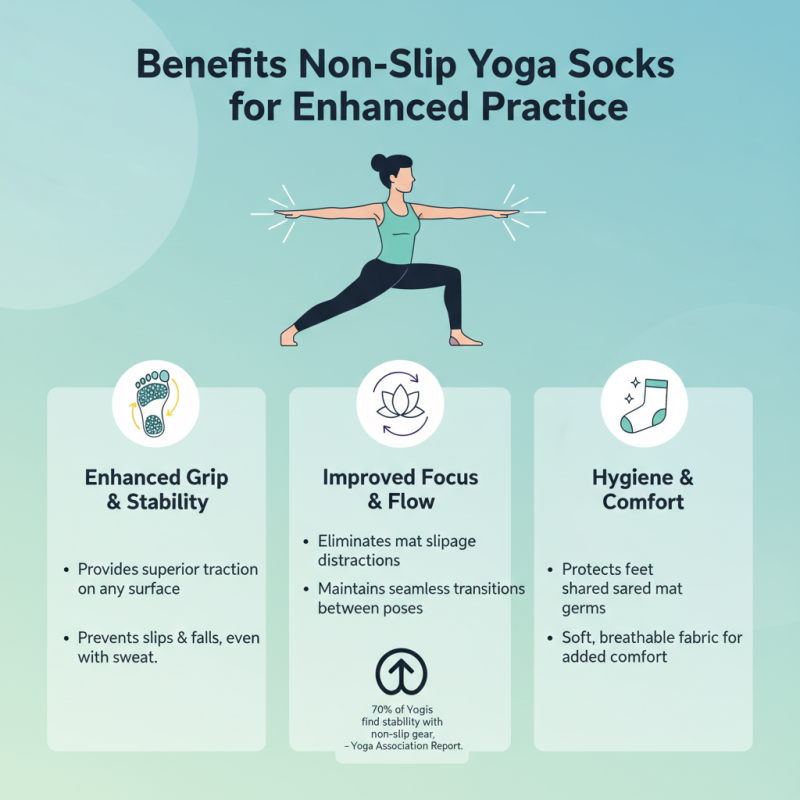
Non-slip yoga socks are becoming increasingly popular among practitioners. These specialized socks provide traction, which enhances grip during various poses. According to a recent report by the Yoga Association, over 70% of yoga enthusiasts find stability in their practice with non-slip gear. Traditional mats can become slippery due to sweat or moisture. This issue can lead to slips and falls, impeding the flow of your practice.
Wearing non-slip yoga socks can significantly reduce the risk of accidents during sessions. A study published in the Journal of Yoga Research indicates that practitioners using non-slip socks reported a 50% decrease in injuries. These socks often use silicone grips on the soles to enhance stability. The material and design encourage better balance, allowing for deeper engagement in poses. However, not all non-slip socks are created equal. Some users note that certain pairs can restrict toe movement or feel too snug.
Comfort remains vital in yoga practice. The right pair should feel like a second skin. Many socks come with moisture-wicking properties, helping to keep feet dry. Yet, some users express frustration when sizing varies across different brands. This inconsistency can lead to disappointing fits. It is essential to choose wisely to ensure ultimate comfort and safety.
Material Science: What Makes Yoga Socks Non-Slip?
Yoga socks are designed for stability and grip, making your practice safer. The materials used in these socks play a crucial role in their non-slip properties. Typically, yoga socks are made from a blend of cotton, spandex, and silicone. This combination allows for flexibility and comfort while providing traction on various surfaces.
Silicone dots or grips on the sole create friction with the floor. These tiny details ensure your feet stay planted during challenging poses. High-quality materials also enhance breathability. However, not all socks are created equal. Some may lose their grip after a few washes. It's essential to choose high-quality socks for better durability.
Tips for choosing non-slip yoga socks: check for ample grip coverage. A well-designed sock should have grip from toe to heel. Consider the fit as well. Socks that are too loose may bunch up, compromising safety. Lastly, always inspect your socks for wear and tear. Non-slip effectiveness decreases with age. Regularly replacing socks maintains optimal performance during your practice.
2026 Best Non Slip Yoga Socks for Ultimate Comfort and Safety
| Sock Material |
Grip Type |
Cushioning |
Breathability |
Color Options |
| Cotton Blend |
Silicone Dots |
Light Padding |
High |
5 Colors |
| Bamboo Fiber |
Textured Grips |
Moderate Padding |
Very High |
3 Colors |
| Nylon-Spandex |
Rubber Soles |
Extra Cushioning |
Moderate |
8 Colors |
| Wool Blend |
Tread Pattern |
None |
Good |
4 Colors |
| Polyester |
Silicone Grips |
Light Padding |
High |
5 Colors |
Sizing and Fit: Ensuring Optimal Comfort in Yoga Practice
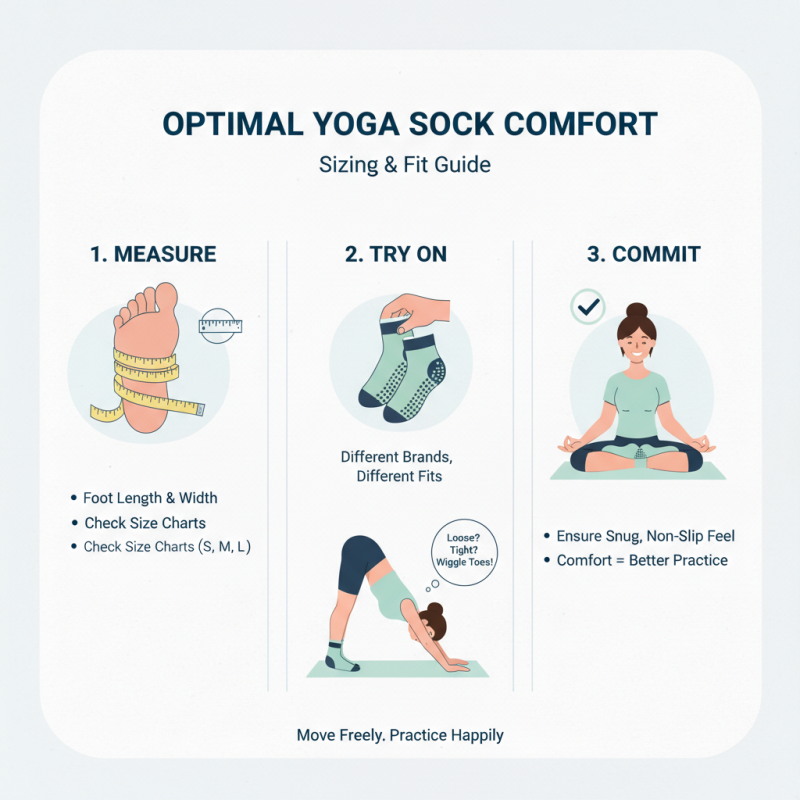
Finding the right-fitting non-slip yoga socks is vital for a comfortable practice. The sizing can vary, so measuring your feet is essential. Many socks come in different sizes, like small, medium, and large. However, the fit may differ from one design to another. Sometimes a sock feels loose, while another may feel too tight. It’s important to try them on before committing.
Comfort goes beyond just size. The material of the socks plays a role too. Breathable fabrics are ideal. They help keep your feet dry and prevent slipping. Yet, some materials might not grip well on certain surfaces. This can affect your yoga poses. You may find that a sock doesn't provide enough support during tricky balances.
Consider the length of the sock as well. Ankle-height options offer simplicity, while longer versions provide extra warmth. However, longer socks may feel restrictive for some. Reflecting on your experiences can guide your choices. Adapting to different brands can also lead to surprises—both good and bad. Stay attentive to how different styles feel during your practice.
Safety Standards: Evaluating the Effectiveness of Non Slip Technology
When it comes to practicing yoga, safety is paramount. Non-slip yoga socks offer a layer of protection by preventing slips and falls. But how effective are these socks in ensuring safety? This requires a careful evaluation of the non-slip technology used in their design.
The material plays a crucial role in grip. Many socks use specialized rubber or silicone, but not all provide the same level of traction. A shiny surface may look appealing, yet it could compromise grip. Consider the texture; some may feel too thin, while others might lack flexibility. Comfort and safety must coexist in the design.
Furthermore, washing methods can affect longevity. Some socks lose their grip after several washes. It's essential to pay attention to care instructions. Reflecting on personal experiences can lead to better choices. Have you ever slipped during a session? It’s a reminder to consider how your gear impacts your practice.