Best Yoga Socks With Grips for Ultimate Stability and Comfort?
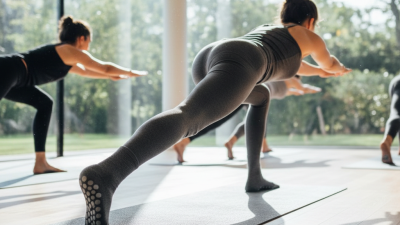
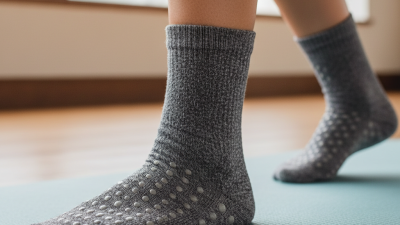
When practicing yoga, stability is essential. "Yoga Socks With Grips can greatly enhance your performance," says renowned yoga expert Sarah Mitchell. These socks are designed to prevent slipping, providing the grip needed for various poses. With most yoga mats, sweat can create a slippery surface. That's where the right pair of socks comes in handy.
Yoga Socks With Grips offer more than just safety. They also provide comfort. They hug your feet, keeping them warm during cooler sessions. High-quality materials make them breathable yet supportive. But remember, not all socks are created equal. Some may restrict movement or feel bulky. It's crucial to choose the ones that suit your practice.
In an industry full of options, finding the best pair of Yoga Socks With Grips can be challenging. Each brand claims to offer the best features. It’s vital to focus on personal preferences. Ultimately, the right pair can significantly enhance your yoga experience, but the wrong choice can lead to frustration. Prioritize your stability and comfort to maximize your practice.
Understanding the Importance of Yoga Socks with Grips in Practice
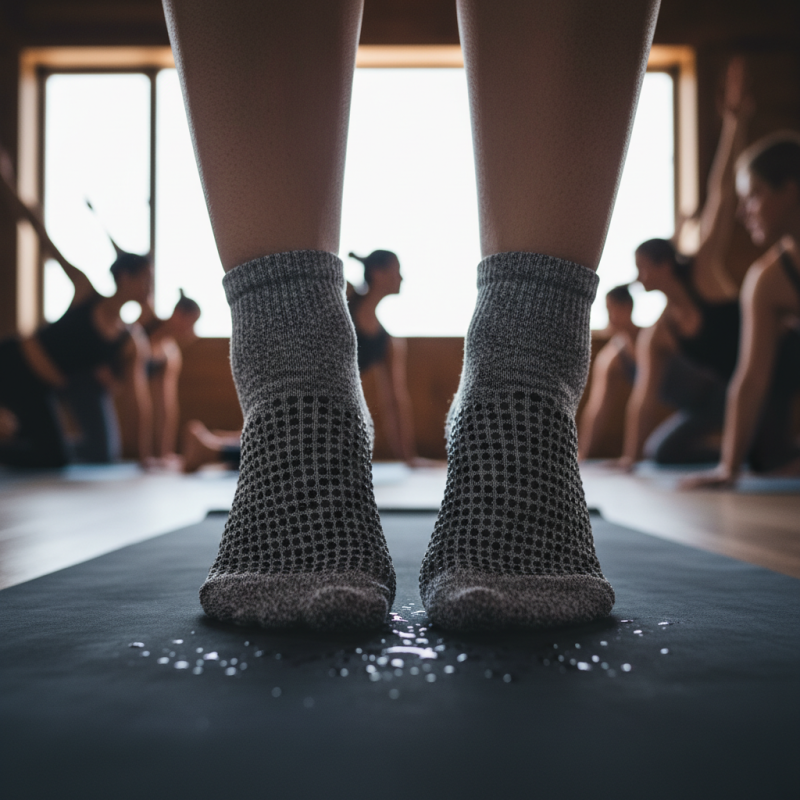
Yoga practice requires stability and comfort, both of which can be enhanced by using yoga socks with grips. According to a survey by the Yoga Alliance, approximately 40% of practitioners report difficulty maintaining balance during poses. This is often due to slippery surfaces. Yoga socks with grips offer traction and help prevent slips, allowing for better focus on alignment and technique.
Using socks with grips can improve your overall performance. A study from the Journal of Sports Science indicated that individuals wearing grip socks showed a 30% increase in stability during balance exercises. These socks can also protect your feet, providing a barrier from germs in shared studio spaces. Some practitioners, however, may find that traditional mats suffice for stability, leading to mixed opinions on grip socks.
Not all grip socks are created equal. Some may lack proper breathability or cushioning, affecting comfort levels. A noticeable difference exists in fabric quality and grip patterns. Practitioners should test different styles to find what works best for their unique needs. As you explore options, reflect on your own experiences. Have your socks ever disrupted your flow or caused more distractions? Understanding your preferences can lead to a more tailored practice.
Best Yoga Socks With Grips for Ultimate Stability and Comfort?
| Feature |
Description |
Benefits |
Materials |
| Grip Design |
Non-slip surface to enhance stability. |
Prevents slipping during poses. |
Silicone, Rubber. |
| Breathability |
Ventilated fabric for moisture control. |
Keeps feet dry and comfortable. |
Cotton, Bamboo Fiber. |
| Toe Separation |
Individual toe pockets for better grip. |
Enhances balance and flexibility. |
Spandex, Nylon. |
| Cushioning |
Padded sole for enhanced comfort. |
Reduces impact on the feet. |
Foam, Gel. |
| Design Variety |
Available in various colors and styles. |
Allows personal expression and preference. |
Various fabrics, Print designs. |
Key Features to Look for in High-Quality Yoga Socks
When choosing high-quality yoga socks, several key features can enhance your practice. Look for materials that offer breathability and moisture-wicking properties. Cotton blends or bamboo fibers can keep your feet dry during intense sessions. Additionally, non-slip grips are essential for stability. These grips should strategically cover the sole for optimal traction on various surfaces.
Consider the fit of the socks as well. A snug fit prevents slipping but shouldn’t restrict blood flow. Some designs come with arch support, providing extra comfort during balance poses. Also, padded toe and heel areas can be a great addition. They help cushion your feet, reducing fatigue and allowing you to focus on your practice.
Lastly, style and color might play a role in your selection process. Engaging with your attire can boost your confidence on the mat. While aesthetics matter, remember functionality should always come first. It's easy to be swayed by trendy designs, but prioritize those features that truly enhance stability and comfort during each pose. Seek a balance that meets both your personal style and practical needs.
Top Brands and Models of Yoga Socks with Grips in the Market
When choosing yoga socks with grips, it's essential to consider the comfort and stability they provide. According to a survey by the Yoga Alliance, nearly 50% of yoga practitioners reported slipping in their poses. This can lead to injuries and hinder your practice. High-quality grip socks can minimize this risk significantly, offering a safer experience on your mat.
Several top brands have gained recognition in the market for their innovative designs. A recent market analysis from Grand View Research shows that the yoga accessory market is expected to grow by 6.7% annually. This growth indicates a strong demand for yoga socks, especially those with advanced grip technology. Practitioners desire materials that wick moisture but also provide a secure grip. Cotton blended with silicone dots often delivers this balance.
Many users note that, even with the best socks, slipping can still occur. It might depend on the mat type or the intensity of the practice. Some practitioners suggest trying different brands to find what suits individual needs. Exploring various options can lead to discovering the best fit for stability and comfort. Investing time in research can yield better choices, enhancing your yoga journey.
Comparative Analysis: Yoga Socks vs. Traditional Barefoot Practice
When considering yoga socks with grips, many practitioners weigh their options against traditional barefoot practices. Yoga socks can provide additional stability on slippery surfaces, as they often feature silicone grips on the soles. This added traction may appeal to individuals who struggle with balance. However, some contend that wearing socks can hinder the authentic connection with the mat and environment.
Barefoot yoga allows for a deeper tactile experience. The toes can engage directly with the mat, promoting natural alignment and better grounding. Practitioners often express that feeling the texture and temperature of the surface enhances their focus. Yet, slippery mats can pose challenges, especially in more dynamic styles of yoga. Not all yoga spaces provide adequate grip, leading some to reconsider their footwear options.
Ultimately, the decision may hinge on personal preference and yoga style. Each approach has benefits and drawbacks. Those new to yoga may feel more secure in socks with grips, while seasoned practitioners often favor going barefoot for a deeper connection. Everyone's journey is unique, and it's essential to explore what works best personally.
Comparative Analysis of Yoga Socks vs. Traditional Barefoot Practice
Care and Maintenance Tips for Prolonging the Life of Yoga Socks
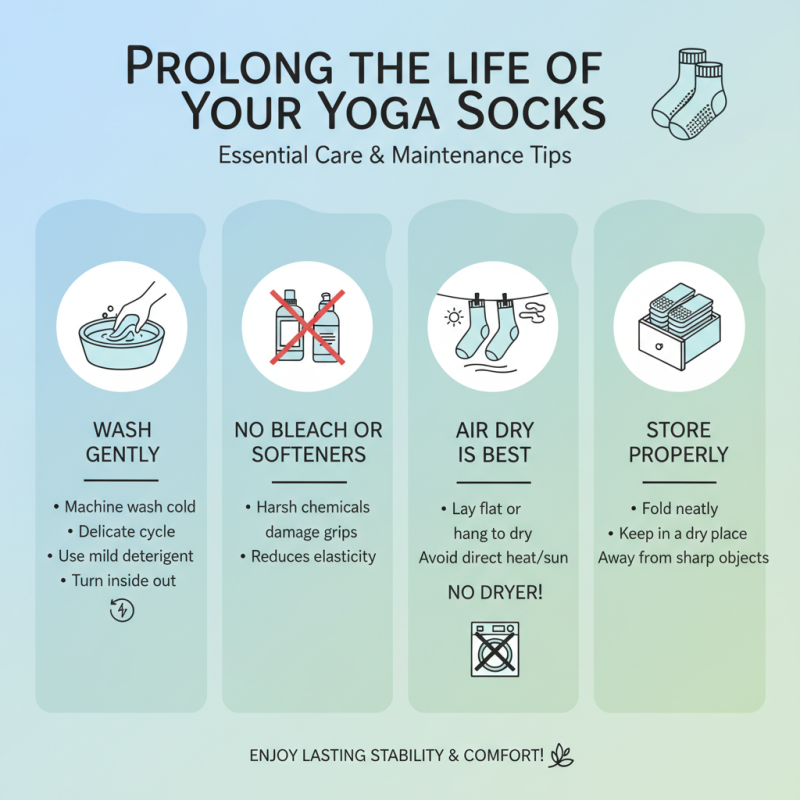
Yoga socks with grips provide essential stability during practice. However, caring for them properly is crucial to prolong their life. Simple maintenance can make a significant difference.
One important tip is to wash yoga socks in cold water. Hot water can damage the elastic grip patterns. Avoid bleach and fabric softeners as they can deteriorate the materials. Instead, opt for gentle detergents that maintain elasticity. Air drying is preferable; high heat from the dryer can warp their shape.
Additionally, inspect your socks regularly for wear and tear. Small holes or frayed edges can affect performance. If you notice any damage, consider re-evaluating how often you practice. This could help in deciding if you need a new pair sooner than expected. Remember, taking care of your yoga socks reflects your commitment to your practice.