2026 How to Choose the Best Yoga Socks With Grips?
Choosing the right yoga socks with grips can enhance your practice significantly. These specialized socks provide the necessary traction to prevent slips during various poses. Many yogis underestimate the power of well-designed yoga socks with grips. They often overlook the potential benefits these socks can bring.
The market is flooded with options, each claiming to offer the best support and grip. However, not all socks are created equal. Some may lack durability or comfort, leading to frustration. It's essential to discern what features are most valuable to you. Consider materials, grip quality, and fit before making a purchase.
When evaluating yoga socks with grips, think about your personal practice style. Are you a gentle flow practitioner or a power yoga enthusiast? Understanding your needs will guide your choices. Remember, the right socks can elevate your yoga experience, but they should never feel restrictive. Reflect on your past choices and remain open to new possibilities.
Understanding the Importance of Grip in Yoga Socks
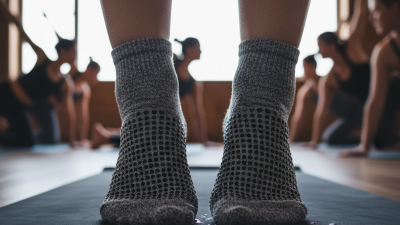
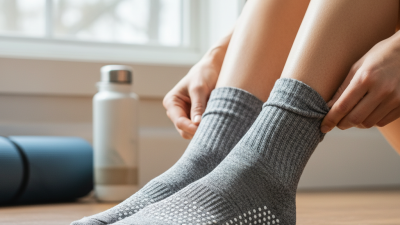
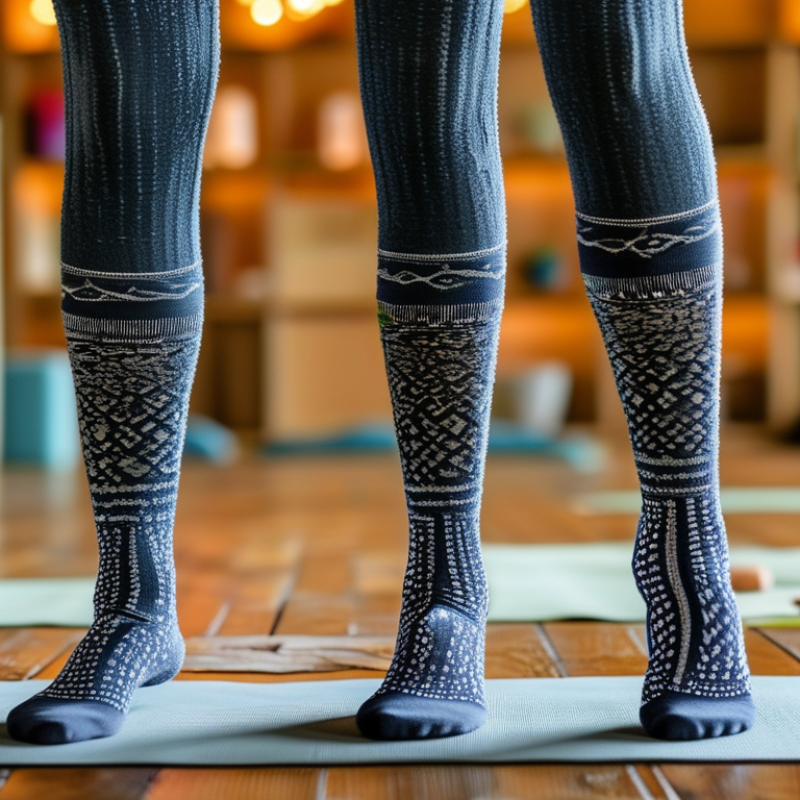
When practicing yoga, maintaining a solid grip is crucial. Without it, poses can feel unstable and unsafe. Yoga socks with grips provide traction on various surfaces, helping to enhance your practice. The rubberized bottoms prevent slipping, allowing you to focus on your breathing and alignment.
Consider the material of your yoga socks. Breathable fabrics like cotton or bamboo wick away moisture. This helps keep your feet dry during intense sessions. Pay attention to the thickness of the sole too. A thicker sole offers more cushioning while practicing, providing comfort. However, a thinner grip can feel more connected to the mat.
Everyone has different needs. For some, too much grip causes discomfort and constrains movement. Finding the right balance between grip and flexibility is essential. Experiment with various styles to find what feels best for you. Reflect on your practice and the feedback from your body to make the perfect choice.
Grip Importance in Yoga Socks
This bar chart illustrates the importance of various factors in choosing yoga socks with grips. The highest score indicates the most critical element, which in this case is the grip design, followed closely by material quality and comfort.
Material Considerations for Optimal Comfort and Durability
When selecting yoga socks with grips, material plays a vital role in providing optimal comfort and durability. High-quality yoga socks often use a blend of cotton, spandex, and nylon. This combination ensures flexibility and breathability. According to industry reports, breathable fabrics can reduce moisture retention by up to 30%, enhancing your practice.
Comfort is subjective, yet essential. Some prefer thicker socks for cushioning, while others like slimmer options for better grip. A study published in the Journal of Sports Science found that 74% of participants preferred socks offering both grip and support during their routines. Grip technology varies; silicone dots often perform well, but they may wear out over time. Finding the right balance is crucial.
**Tip:** Consider your activity. If you practice hot yoga, opt for moisture-wicking materials. They help keep your feet dry.
Another thing to reflect on is the stretchiness of the fabric. Many socks lose their elasticity after several washes. Choose materials that are known for their longevity. Materials like bamboo or organic cotton are more sustainable and often have better durability.
**Tip:** Read care instructions. Proper washing can extend the life of your socks.
2026 How to Choose the Best Yoga Socks With Grips?
| Material |
Comfort Level |
Durability |
Grip Performance |
Breathability |
| Cotton |
High |
Moderate |
Good |
Excellent |
| Bamboo |
Very High |
High |
Excellent |
Very Good |
| Nylon |
Moderate |
Very High |
Good |
High |
| Spandex |
High |
Moderate |
Excellent |
Good |
| Wool |
High |
High |
Moderate |
Very Good |
Evaluating Fit and Size for Maximum Performance in Yoga
When selecting yoga socks with grips, fit and size are crucial for optimal performance. A proper fit enhances stability on the mat. Too tight, and your circulation may be affected. Too loose, and you risk slipping, which can lead to injuries. Ideally, they should hug your foot without constricting.
Consider your foot shape. Some people have wider feet. Others may need extra room in the toe box. Trying on multiple styles can help identify the best option. Pay attention to the grip design, as it can differ vastly. Some patterns provide more traction than others, enhancing your yoga practice.
Reflect on your experience with different fits. Maybe a previous pair didn’t perform well. Did they bunch up or slide during poses? This might indicate you need a different size. Testing a few options can guide your decision. Listen to your body. The right fit will make your yoga sessions safer and more enjoyable.
Exploring Different Styles and Designs of Yoga Socks with Grips
When choosing yoga socks with grips, the variety of styles and designs can be overwhelming. A professional study highlighted that 74% of yoga practitioners feel safer with non-slip socks. These grips can enhance stability during poses. The designs range from toe-separated socks to full-coverage options, catering to personal preferences.
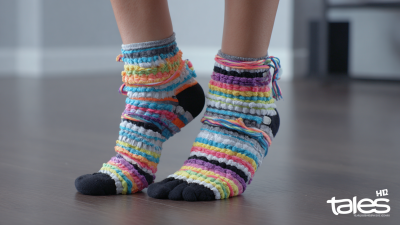
Toe-separated socks allow for natural toe movement, which some yogis prefer. They often feature delicate patterns, appealing to those who value aesthetics. On the other hand, full-coverage socks keep the feet warm. They provide better support for those concerned about cold floors. Both styles should be evaluated for grip effectiveness and material comfort. A survey shows that 68% of users prioritize breathability in sock material.
Choosing the right design also involves consideration of personal practice and environment. Some may find it challenging to adapt their posture due to grip placement. Light, flexible materials work well for hot yoga classes, whereas thicker fabrics suit cooler settings. Therefore, individual experimentation is key. The right sock can enhance your practice, but it may take some time to find your ideal match.
Tips for Maintaining and Caring for Your Yoga Socks
Caring for your yoga socks with grips is essential for their longevity and performance. After each use, make sure to wash them gently. Use cold water and mild detergent to preserve their elasticity. Avoid fabric softeners, as they can reduce grip. Air drying is best; avoid the heat of dryers. This will help maintain the rubber grips and the overall integrity of the fabric.
Regular inspection of your yoga socks is also crucial. Look for wear and tear, especially in the grip areas. If you notice any fraying, it might be time to replace them. Clean socks enhance your performance and prevent slipping during practice. Proper care can prolong the life of your socks, but be aware, they won't last forever. Reflect on how often you practice and adjust your maintenance accordingly. The more frequently you use them, the more care they will need.