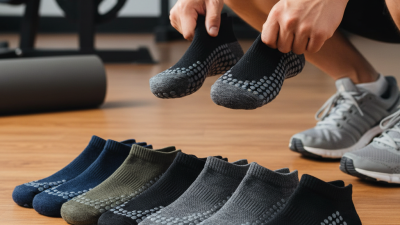

Choosing Socks With Grips On Bottom in 2026 requires more than counting rubber dots. The right pair should match movement, flooring, foot shape, and washing habits. Grand View Research’s socks market analysis valued the global market at approximately USD 42 billion in 2022, showing strong demand for specialized comfort and performance products. However, market growth does not guarantee better design. Some products still prioritize appearance over secure contact.
Grip quality depends on the sole pattern, rubber compound, fabric tension, and coverage around the heel and forefoot. A yoga studio may need flexible grip zones, while a hospital, home, or rehabilitation setting may require broader traction and a softer interior. The American Podiatric Medical Association recommends footwear that fits properly, supports natural movement, and avoids excessive pressure. These principles also apply to grip socks. Check whether your toes can spread comfortably. Look for a heel that stays aligned during a squat.
Small details matter.
The textile industry is also changing. Textile Exchange’s Materials Market Report tracks the growing importance of recycled and lower-impact fibers, yet recycled content alone does not prove durability. A sock that loses elasticity after several washes is not a sustainable choice. Examine fiber composition, seam placement, moisture management, and care instructions. In practical use, grip socks can feel secure on dry floors but less reliable when damp. That limitation deserves honesty. No pattern works everywhere. This 2026 guide compares construction, traction, comfort, hygiene, fit, and value, helping readers choose with evidence rather than attractive packaging.
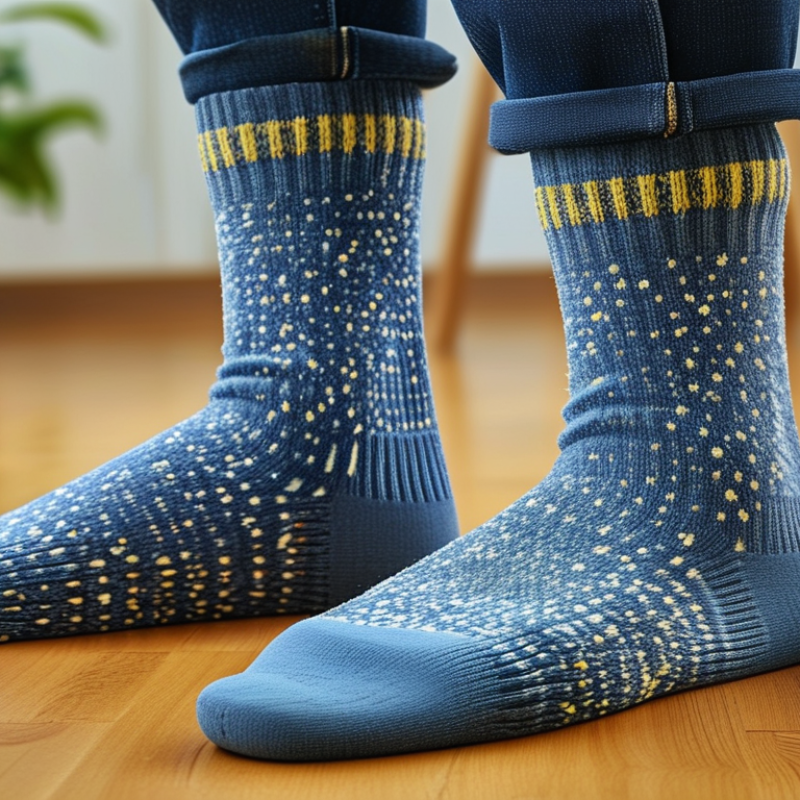
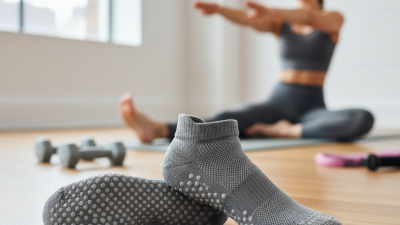
Grip socks are close-fitting socks with rubberized patterns beneath the foot. These patterns create friction between your sock and the floor or shoe lining. That extra contact can reduce unwanted sliding during movement. They are useful for studio exercise, home workouts, stretching, and balance-focused training.
During a mobility session, I noticed my toes curled when my feet shifted on a smooth floor. Grip socks helped my feet stay more relaxed. Their benefit is not magic, though. Stability also depends on ankle control, floor condition, sock fit, and movement technique. A thick grip pattern may feel secure, but it can also feel distracting inside a tight shoe.
Choose a pair that fits the heel and arch without squeezing them. The fabric should manage moisture and allow natural toe movement. Check that the grips cover the areas touching the floor, especially beneath the toes and ball of the foot. I once chose a very soft pair with weak tread. It felt comfortable, but the fabric stretched during side steps. That experience changed my view: comfort alone is not enough. Examine the stitching, grip flexibility, and washing instructions before regular use. Replace socks when the tread becomes smooth or the elastic loses support.
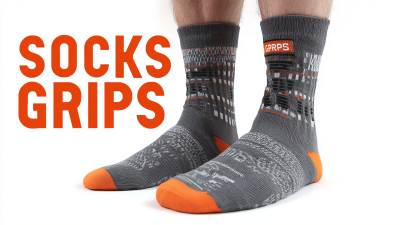
The right grip pattern depends on how your feet move. Dense dots under the toes and heel suit yoga, Pilates, and stretching. They support controlled balance without making the sole feel stiff. For indoor walking, broad horizontal strips can reduce sliding during forward steps. A crosshatch pattern offers more contact in several directions. It may feel excessive during relaxed use. For dance or mobility training, choose lighter coverage around the arch. Too much grip can interrupt natural foot movement.
Sole material also changes comfort and traction. Silicone grips usually feel soft and flexible on clean floors. Rubber compounds can provide stronger traction, especially during quick direction changes. Thermoplastic materials often balance durability and flexibility. However, material names alone do not prove performance. A thick grip may trap heat, while a thin one may wear quickly. Check the floor, too. Dust and moisture can reduce traction, even with a well-designed sole.
Tips: Match grip density to movement, not appearance. Test the socks on your actual floor before long sessions. Keep the fabric snug but not tight around your toes. Wash them as directed, and inspect worn patches regularly. I would not choose maximum grip automatically; comfort and natural movement still matter.
Choosing the right grip sock size starts with your foot, not your usual shoe label. Measure both feet while standing, preferably at the end of the day. Feet can swell slightly after hours of walking or training. Use the larger measurement and compare it with the manufacturer’s foot-length chart. The American Podiatric Medical Association’s 2014 national survey reported that 77% of Americans had experienced foot pain. Poorly fitted socks can add pressure around sensitive areas. They are not the only cause, but fit deserves attention.
A suitable grip sock should hold the heel pocket beneath your heel. The toe area should feel smooth, with no folded fabric or empty pocket. Check the arch band carefully. It should feel supportive, not restrictive or numb. Grip patterns should sit beneath the forefoot and heel, rather than sliding toward the arch. ISO 19407:2023 provides standardized footwear-size conversion guidance, but conversion charts still vary between manufacturers. I have found them useful, not perfect. When your foot length sits between sizes, choose based on fabric stretch and foot width. Wider feet may need the larger size, even if the length suggests otherwise. Walk, squat, and make a quick lateral step indoors. If the sock twists, bunches, or leaves deep marks after ten minutes, the fit needs reconsideration. Small details matter.
Choosing socks with grips on the bottom involves more than counting the rubber dots. The grip pattern should cover the heel, forefoot, and toe area without feeling hard underfoot. Flexible silicone or rubber prints usually support natural movement better than thick, rigid patches. Look for a close fit around the arch. Loose fabric can fold, reduce traction, and create pressure points.
Breathability depends on the yarn and knit structure. Moisture-wicking fibers can move sweat away from the skin, while mesh panels near the toes and upper foot improve airflow. However, very thin fabric may wear faster during frequent training. A flat toe seam can prevent rubbing, especially during long sessions. For durability, check reinforced heels and toes, dense stitching, and grip material that remains flexible after washing. Follow the care label and avoid high heat, which may weaken elastic fibers and distort the grip pattern. I once preferred an ultra-light pair because it felt cooler, but the heel became thin within weeks. That experience was useful, but not universal. Comfort also changes with foot shape, activity level, and floor surface. Test the socks indoors first. Walk, pivot, and check whether the fabric shifts or traps heat. A strong grip cannot compensate for poor ventilation or an unstable fit.
Comparing grip socks starts with the user’s environment. For home use, choose soft fabric, quiet silicone patterns, and full-foot coverage. A stable heel matters on polished floors. The World Health Organization reported that 31% of adults worldwide were insufficiently active in 2022. Home exercise therefore needs comfort, not just aggressive traction. Thin soles may improve floor contact, but they can feel cold and wear faster.
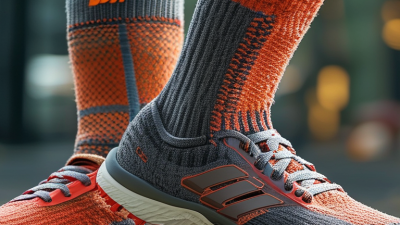
Sports users need a different balance. Look for moisture control, arch support, reinforced toes, and grips that stay flexible during lateral movement. A thick grip may feel secure during yoga but restrict movement during dance. The American College of Sports Medicine emphasizes suitable footwear and gradual training for injury-risk reduction. Grip socks are not a substitute for proper shoes or coaching. No pair wins every test. I would check traction after several washes, because laboratory claims may not reflect daily use.
Tips: Compare socks after washing, not only when new. For medical use, prioritize fit, skin comfort, and professional advice. The CDC reports that more than 3 million older adults receive emergency treatment for fall injuries annually. However, grip socks cannot prevent every fall. People with diabetes, poor circulation, swelling, or reduced sensation should ask a clinician before choosing compression or tight designs. Measure the foot carefully, inspect seams, and stop using the socks when slipping, redness, or numbness appears.