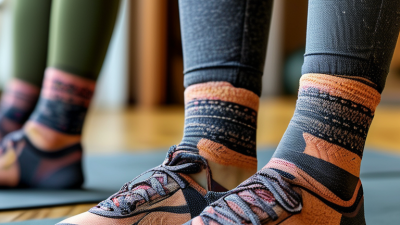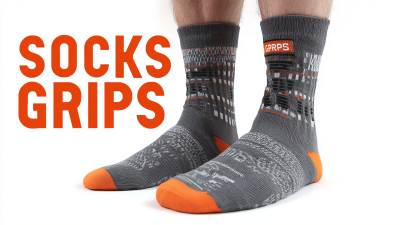

Practicing yoga barefoot can feel natural, but smooth floors, perspiration, and unstable transitions may reduce confidence. Non Slip Yoga Socks add a practical layer between your feet and the mat. Their rubberized or silicone grips can help limit sliding during Downward-Facing Dog, lunges, and balance poses. They also provide light coverage in shared studios.
Dr. Emily Splichal, a podiatrist and human movement specialist, often emphasizes, “Your feet are your foundation.” That principle matters here. A secure foot connection can make movement feel more controlled, especially when the mat becomes damp. However, socks cannot correct poor alignment or replace proper instruction. They are supportive equipment, not a shortcut. The best pair should fit closely without squeezing your toes, bunching beneath the arch, or trapping excessive heat.
Small details matter. Look for breathable fabric, reinforced heels, flexible toe areas, and grips that remain effective after washing. A pair that feels stable on a dry floor may perform differently after several sweaty sessions. Check the care label. Let them dry fully. Replace them when the grips become smooth.
This guide explores what Non Slip Yoga Socks are, how they work, and who may benefit from wearing them. It also considers comfort, hygiene, durability, and value. Some users may prefer bare feet. That is perfectly reasonable. Others may discover that a little traction makes practice calmer and more focused. The answer depends on your feet, your studio, and your habits. Fitness gear is rarely universal.
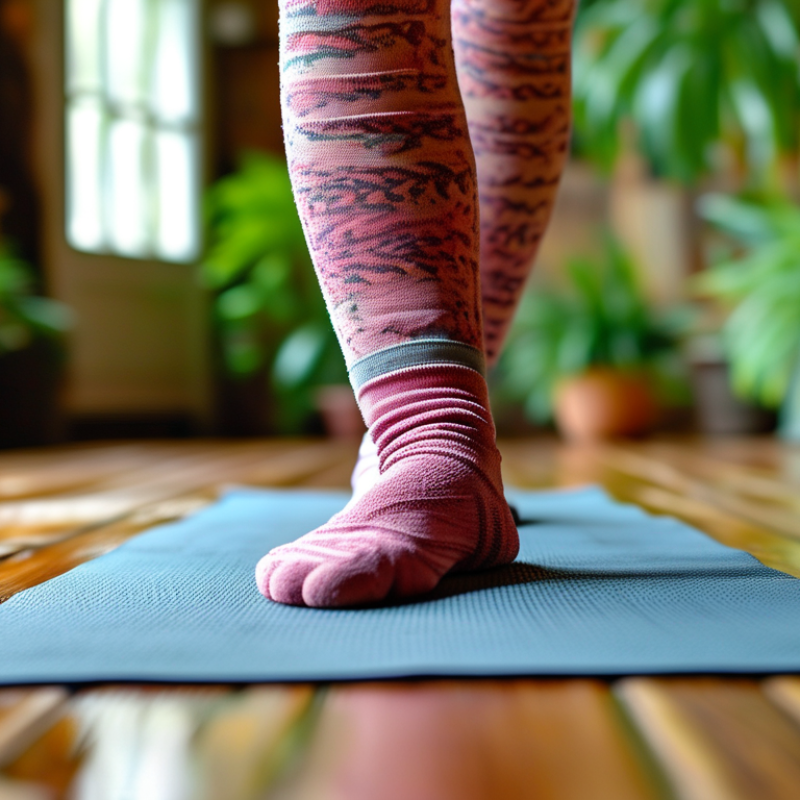
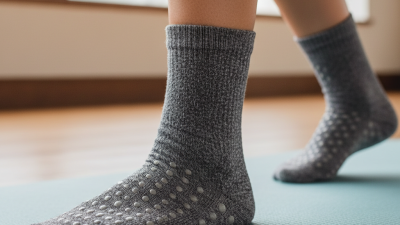
Non-slip yoga socks are fitted socks designed to improve traction during yoga, Pilates, stretching, and light home workouts. Their soles usually contain silicone dots, textured rubber, or flexible grip patterns. These materials help your feet stay connected to the mat or studio floor.
Unlike ordinary socks, they reduce sliding when you move from Downward-Facing Dog to a lunge. They also create a thin barrier between your skin and shared surfaces. Many pairs use breathable fabric, elastic support, and separated toes for better balance. In my experience, the right pair feels secure without squeezing the heel. A poor fit can bunch under your toes. That becomes distracting quickly.
Tips: Choose a snug, comfortable fit. Check that the grips cover the ball and heel of your foot. Wash them after sweaty sessions, and let them dry fully before wearing them again. Grip patterns can wear down over time. Replace socks when the sole feels smooth or the fabric loses its shape. They are helpful, not magical. A damp mat, weak grip, or rushed movement can still cause slipping. Test them with slow movements before attempting challenging poses.
| Data Dimension | Typical Information | Why It Matters in Yoga and Fitness |
|---|---|---|
| Definition | Socks designed with textured or silicone grip areas on the sole. | The grip helps reduce unwanted foot movement on smooth floors, mats, reformer platforms, and studio surfaces. |
| Grip Placement | Grip patterns are commonly located beneath the toes, forefoot, heel, or across most of the sole. | A broader grip area can provide more consistent traction during standing poses, balance work, stretching, and controlled transitions. |
| Common Materials | Often made from cotton, polyester, nylon, elastane, or blends of these fibers. | Material selection affects softness, stretch, durability, moisture management, and how closely the socks fit the foot. |
| Foot Stability | Non-slip soles improve contact between the foot and the surface. | Better contact can make it easier to maintain alignment and control when practicing on polished wood, tile, or other smooth flooring. |
| Toe Coverage | Available in full-toe, split-toe, and open-toe styles. | Full-toe designs provide more coverage, while split-toe and open-toe designs may offer a more barefoot-like feel and toe mobility. |
| Breathability | Lightweight knits and moisture-managing fibers allow air circulation around the feet. | Breathable construction can help reduce excessive warmth and dampness during longer workouts or heated sessions. |
| Fit and Support | Many styles use elastic cuffs, stretch fabric, or light arch support to stay in place. | A secure fit helps prevent bunching, slipping, and distractions while moving between poses or exercises. |
| Hygiene Benefit | Socks create a washable layer between the feet and shared floors or equipment. | They can help limit direct contact with communal surfaces, although regular washing remains essential for cleanliness. |
| Suitable Activities | Commonly used for yoga, Pilates, barre, stretching, dance practice, indoor training, and light fitness exercises. | Their traction and close fit are useful for activities that require balance, controlled foot placement, or frequent changes in position. |
| Floor Compatibility | Designed mainly for clean, dry indoor surfaces such as studio floors, wood, vinyl, and exercise mats. | Grip performance can decrease on wet, dusty, oily, or heavily textured surfaces, so the floor should be kept clean and dry. |
| Safety Consideration | Non-slip socks can support traction but do not eliminate the risk of slipping or injury. | Users should choose the correct size, inspect the grip pattern, move within their ability, and stop if the socks become loose or damaged. |
| Care Requirements | Wash according to the care label and keep the grip areas free from lint, oil, and residue. | Proper care helps preserve the elasticity, fabric quality, and traction of the sole over time. |
| When to Replace | Replacement may be needed when the fabric becomes thin, the cuffs lose elasticity, holes develop, or the sole grip is worn. | Worn socks may provide less stability and can shift during movement, reducing comfort and performance. |