Top Tips for Choosing Slip On Socks for Every Occasion?
In recent years, Slip On Socks have gained immense popularity due to their convenience and comfort. According to a report by Grand View Research, the global sock market is expected to reach $42 billion by 2026, driven by innovations in fabric and design. Consumers increasingly seek practical options for various occasions, reinforcing the need for versatile Slip On Socks.
These socks are perfect for a range of activities, from casual outings to formal events. Their design caters to ease and functionality, making them a favorite among busy professionals and fashion enthusiasts alike. However, not all Slip On Socks are created equal. Factors such as material, fit, and breathability must be considered to ensure quality and comfort.
While choosing Slip On Socks, consumers often overlook essential details, leading to dissatisfaction. Understanding the right blend of style, support, and practicality is vital. Retail data indicates a growing trend toward sustainable and high-performance materials, which reflects consumer awareness. Investing in the right pair can elevate any outfit, whether at home or on the go.
Understanding Slip On Socks: Key Features and Benefits
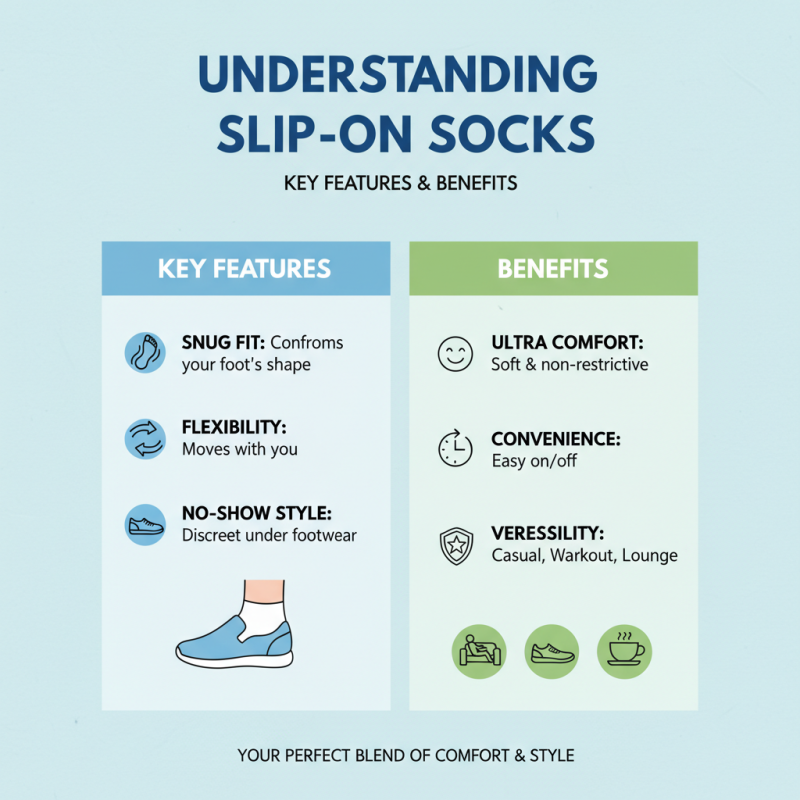
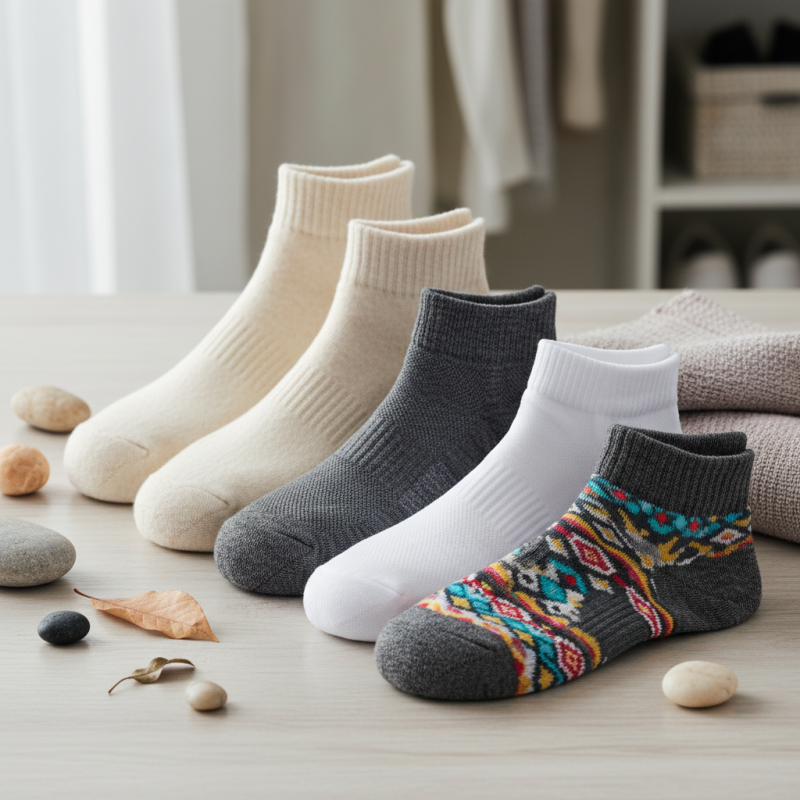
Slip-on socks offer a unique blend of comfort and style. Understanding their key features can help you make the best choice for each occasion. These socks are designed to sit snugly on your foot, providing flexibility and convenience without compromising on style. They are ideal for casual outings, workouts, or simply lounging at home.
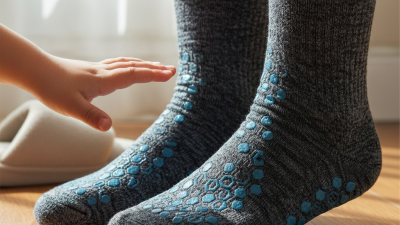
When selecting slip-on socks, consider the material. Cotton offers breathability, while blends with spandex enhance stretch. Aim for a pair that fits well and maintains its shape after washing. Look for options with extra cushioning in the soles for added comfort. Small details can make a big difference, such as arch support or anti-slip grips.
Here are some tips for choosing the right pair: check for seamless construction to prevent irritation. Pay attention to color and design; some patterns can elevate your outfit quickly. Don’t overlook size; a snug fit is crucial to avoid slipping. Remember, not every pair is created equal. Reflect on your preferences and lifestyle. This will guide your decision toward the perfect slip-on socks for any occasion.
Material Matters: Choosing the Right Fabric for Comfort and Durability
When choosing slip-on socks, the material significantly impacts comfort and durability. Cotton is a popular choice, thanks to its softness and breathability. According to a recent report from the Textile Association, cotton socks account for over 40% of the sock market due to their comfort features. However, cotton can wear out quickly, particularly in areas that experience the most friction.
Synthetic blends, like polyester or nylon, offer improved durability. These materials resist moisture and often have a longer lifespan than cotton options. A study from the Sock Industry Research Council shows that socks made from synthetic fibers last up to 50% longer than pure cotton. This is crucial for those who wear slip-on socks frequently. Comfort doesn’t always equate to longevity, and it’s important to find a balance.
Many people overlook the significance of spandex. A small percentage can enhance the fit and prevent slipping. However, an over-reliance on spandex can lead to increased wear. Understanding fabric blends is essential for making informed choices. This insight can be particularly helpful for those with active lifestyles or who work long hours on their feet. Finding the right balance between breathability, comfort, and durability is key.
Top Tips for Choosing Slip On Socks for Every Occasion
The chart above illustrates the durability ratings of various sock materials. When considering slip-on socks, it's important to choose a material that balances comfort and durability based on your specific needs and occasions.
Sizing and Fit: Ensuring Optimal Performance Without Compromise
Choosing the right slip-on socks can significantly improve your comfort and performance, especially when it comes to sizing and fit. A recent study indicated that nearly 70% of people wear the wrong sock size, resulting in discomfort and reduced effectiveness during activities. Proper fit is crucial, as socks that are too tight or too loose can lead to blisters or insufficient support.
When selecting slip-on socks, pay close attention to the material. High-performance fibers can enhance moisture-wicking properties. Professionals recommend choosing a blend that includes materials like merino wool or specialized synthetics. These materials offer both comfort and the ability to maintain shape over time.
Keep in mind that personal preferences also play a role in fit. Many users report that they prefer a snug fit around the arch for added support. However, some feel restricted. It is essential to find a balance between support and comfort. Testing different styles can help eliminate any uncertainty about what works best for you. Being aware of your unique needs can lead to better choices and greater satisfaction with your slip-on socks.
Design and Style: Variations for Casual, Athletic, and Formal Settings
When selecting slip-on socks for various occasions, design and style play crucial roles. Casual settings often call for vibrant colors and playful patterns. According to a recent report by the Sock Industry Association, 35% of consumers prefer fun designs in their casual footwear. Opting for stripes or polka dots can add a bit of personality to everyday outfits. Since comfort also matters, choose breathable materials such as cotton blends that enhance wearability.
For athletic purposes, function takes precedence over fashion. Athletic slip-on socks should have arch support and moisture-wicking properties. Data indicates that 48% of active individuals prioritize performance features in their sock choices. Seamless designs and cushioning can minimize blisters during workouts. Yet, even the best designs can frustrate users. A bulky fit can shift during physical activity, detracting from overall performance.
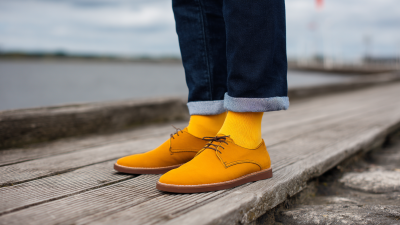
In formal settings, simplicity and elegance shine through. Subtle tones like navy or gray work well with dress shoes. A study from the Fashion Footwear Association highlights that professionals often overlook sock choice, yet 29% believe stylish socks enhance their image. It's essential to select a fit that maintains a polished look. A common mistake is choosing overly colorful designs for formal wear. Aim for a balance of style and sophistication.
Care Tips: Maintaining Slip On Socks for Longevity and Freshness
When it comes to slip-on socks, maintenance is key for longevity and freshness. Washing these socks properly can greatly affect their lifespan. Always use a gentle cycle with cold water. Avoid bleach, as it can weaken the fibers. It’s best to air dry them, but if you use a dryer, choose low heat. Quick drying helps retain their shape.
Consider rotating your slip-on socks frequently. This allows each pair to rest and recover their elasticity. Storing them in a cool, dry place will help prevent moisture build-up, which can lead to odors. Regularly inspect your socks for signs of wear and tear. You might find some pairs need more attention than others.
Investing time in maintaining your slip-on socks is essential. Sometimes, despite your best efforts, they won’t last as long as you hope. That’s okay. Reflect on how often you wear them. Maybe you need more pairs in rotation. Taking thoughtful care of your socks can enhance your comfort and keep them fresh longer.