Top 10 Tavi Pilates Socks Which Should Global Buyers Choose?
Choosing the right Tavi Pilates Socks requires more than comparing colors, prices, or attractive product photos. Global buyers need dependable grip, comfortable sizing, breathable fabric, and stitching that survives repeated washing. A sock may look elegant online, yet slide during a reformer lunge. Small details matter.
This guide examines ten leading Tavi Pilates Socks for studios, instructors, retailers, and home users. It considers silicone grip patterns, heel coverage, toe flexibility, ankle support, fabric weight, and size availability. It also considers packaging, shipping practicality, and regional buying concerns. These factors can affect comfort in a warm studio or during a long international journey. Product descriptions are useful, but they do not replace careful testing.
Pilates authority Joseph Pilates wrote, “The mind, when housed within a healthful body, possesses a glorious sense of power.” His principle still fits today’s equipment choices. A secure sock should support controlled movement without distracting the wearer. That sounds simple.
No ranking is perfect. Foot shape, studio flooring, and washing habits can change the result. One buyer may prefer a low-cut design, while another needs extra ankle coverage. Some findings may also depend on current stock and regional sizing. Therefore, this comparison highlights practical strengths rather than declaring one universal winner. Buyers should review updated specifications, material information, and return policies before ordering. The best Tavi Pilates Socks are not merely stylish; they should feel stable, remain comfortable, and perform consistently across real training sessions.
What Are Tavi Pilates Socks and Who Are They Designed For?
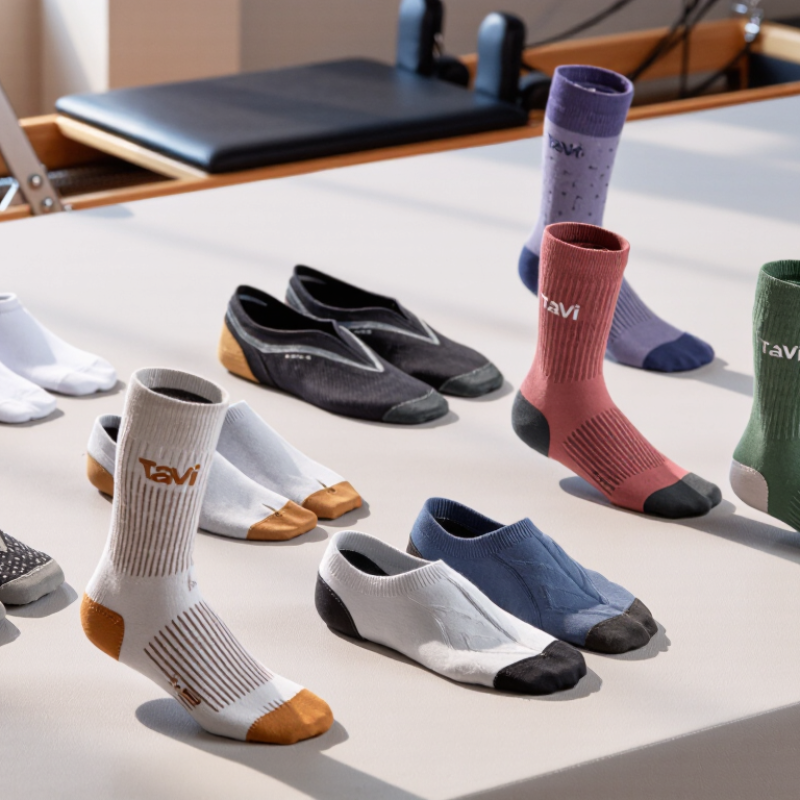
Pilates socks are fitted studio socks with textured grips beneath the foot. They help reduce sliding during mat work, reformer exercises, and balance drills. Most designs use breathable cotton blends, elastic cuffs, and separated toes or a conventional shape. The best choice depends on movement, climate, and personal comfort.
These socks are designed for Pilates beginners, regular studio users, instructors, and people exercising at home.
Grip coverage matters when your heels press against a moving platform. A close fit also prevents fabric bunching under the arch.
I recommend checking the sole after several washes. Some grips lose strength sooner than expected. That detail is easy to overlook.
For warm studios, lightweight fabric can reduce sweaty discomfort. For cooler rooms, a slightly thicker knit may feel more secure.
People with sensitive skin should inspect seams around the toes and ankle. Those recovering from minor balance limitations may prefer full-sole grip, but socks cannot replace professional guidance.
During a class, I would test a few slow movements before choosing among ten options. A sock may feel excellent while standing, yet twist during a lunge. That small failure matters.
Washable materials, accurate sizing, and stable cuffs are practical signs of dependable construction. Still, sizing charts are not perfect. Foot shape differs, even within the same listed size.
Which Features Matter When Comparing Tavi Pilates Socks?
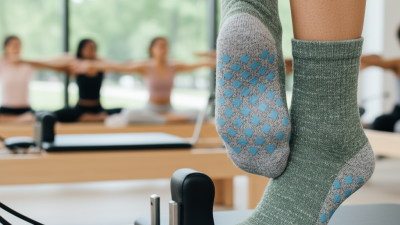
When comparing Pilates grip socks, start with traction rather than color or packaging. A stable silicone or rubber pattern should hold the mat during lunges and controlled footwork. Check whether the grip covers the heel, ball, and toes. Bare patches can cause small slips. I have found that thin grips feel more natural, but thicker patterns may last longer.
Fit matters just as much. The sock should hug the arch without squeezing it. A loose heel creates folds, especially during reformer exercises. Look for a secure cuff that stays up without leaving deep marks. Toe separation is useful for some users, yet it can feel distracting during longer sessions. This feature is personal.
Material affects comfort, hygiene, and durability. Cotton blends feel soft, while moisture-wicking fibers can reduce dampness during heated classes. Breathable fabric is important. Inspect the stitching around the toes and heel. Weak seams often appear after repeated washing. Follow the care label, and avoid high heat unless the manufacturer permits it. Even excellent grip can weaken over time. That is easy to overlook.
Buyers should also compare sizing charts carefully, because labels vary between suppliers. Test socks with the shoes or studio equipment used most often. A polished product may still fail on a smooth floor. Customer reviews help, but repeated comments about peeling grips or shrinking fabric deserve attention. Personal comfort remains difficult to measure objectively.
How Do the Top 10 Tavi Pilates Socks Differ?
Global buyers should compare the top ten Pilates socks by construction, not appearance. Their main differences are grip layout, fabric weight, toe coverage, cuff height, and washing performance. A full silicone sole may suit reformer work, while targeted grip zones can feel less restrictive during mat exercises. Five-toe designs improve separation, but some users find them slow to wear.
Textile Exchange’s 2024 Materials Market Report identifies polyester as the dominant synthetic fibre worldwide. That matters because recycled polyester often dries quickly, yet it may feel warmer than nylon-rich blends. Cotton feels familiar and breathable, but it can hold moisture after a demanding class. The best pair balances stretch, moisture control, and recovery around the arch. Small details count. A loose heel is distracting.
The American College of Sports Medicine’s Worldwide Survey of Fitness Trends continues to place mind-body exercise among important fitness directions. This supports steady demand for studio-specific accessories, though it does not prove that expensive socks perform better.
Buyers should inspect grip durability after repeated washing, seam pressure, and size accuracy across markets. European and Asian sizing can differ noticeably. Claims such as “non-slip” also need caution; sweat, floor dust, and worn silicone can change results.
I would rank comfort above aggressive grip. My own preference may be biased toward lighter socks, and that is worth admitting. Data helps, but foot shape still decides the final choice.
Which Tavi Pilates Socks Suit Different Pilates Practices?
Pilates socks should match the way you train, not only the color or price. For reformer Pilates, choose a close-fitting pair with silicone grip patterns across the heel and forefoot. These grips help control foot placement during spring work and sliding movements. A low-profile toe area can also improve contact with the footbar. Avoid loose fabric. It may bunch under the toes.
Mat Pilates usually allows more flexibility. Breathable cotton blends can feel comfortable during bridges, roll-downs, and slow mobility exercises. Look for moderate grip rather than a heavy rubber coating. Too much traction may restrict natural foot movement during standing sequences. For heated Pilates, moisture control matters more. Lightweight fabric and a secure ankle band can reduce slipping when skin becomes damp. Still, no sock performs perfectly in every studio.
Barre-inspired Pilates needs stronger traction near the toes and ball of the foot. A five-toe design may help some users spread their toes, although others find it distracting. Global buyers should check size measurements, washing instructions, material percentages, and local safety requirements before ordering. Fit charts are not always consistent. I would test the socks on a clean studio floor before demanding full performance. A pair that feels stable during the first minute may become uncomfortable after repeated bends. That small detail is easy to overlook.
Top 10 Pilates Sock Priorities by Practice
Which sock features suit different Pilates practices? This comparative index reflects the typical importance of grip, breathability, and foot coverage in each practice. Higher scores indicate greater practical priority, not laboratory test results or brand performance.
How to use this chart: Choose stronger grip and greater coverage for equipment-heavy or dynamic sessions, while lightweight, breathable, and lower-coverage designs may suit mat-based and mobility-focused practices.
How Should Global Buyers Evaluate Size, Price, and Availability?
When comparing the top ten Pilates socks, global buyers should measure more than the printed size. Measure the foot from heel to longest toe, then compare it with each supplier’s chart. A secure fit should feel snug around the arch without pressing the toes. The heel grip must stay flat during lunges and reformer movements. Small details matter.
I recommend requesting samples in two nearby sizes, especially for mixed international orders. Check the toe seam, elastic recovery, fabric thickness, and washing instructions. One sample I tested became slightly tighter after washing, although the original chart looked accurate. That experience is easy to overlook. Size labels are not fully standardized across markets, so relying on S, M, or L alone can create returns.
Price evaluation should include packaging, sampling fees, shipping, duties, and possible minimum order quantities. A low unit price may become expensive after air freight or custom packaging. Compare at least three written quotations with identical specifications. Availability also needs evidence: ask for current stock, production lead time, reorder capacity, and shipping records. A supplier promising immediate delivery may still have limited colors or sizes. For reliability, request dated inventory information and inspect a pre-shipment sample. I would not select the cheapest option automatically. A slightly higher price can be reasonable when grip quality, size consistency, and stable supply reduce customer complaints.