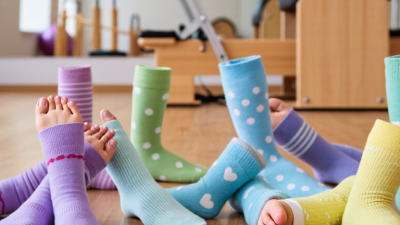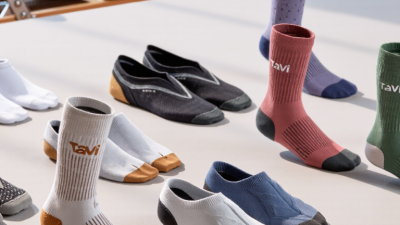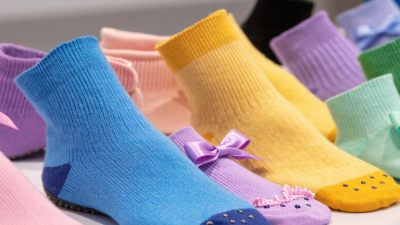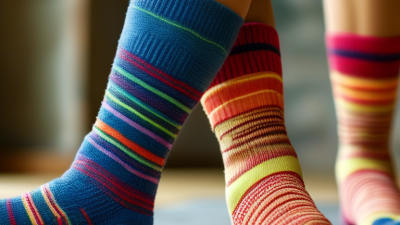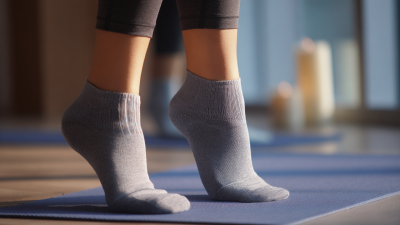

Choosing a supplier for Tavi Pilates Socks involves more than comparing prices or browsing polished product photos. Grip pattern, yarn feel, stitching, and sizing all shape how a sock performs during a class. A sample can look excellent on a screen, then feel too tight across the arch or slippery on a studio floor. Small details matter.
Quality-management expert W. Edwards Deming is widely associated with the reminder, “Quality is everyone’s responsibility.” For Pilates socks, that principle reaches from material selection to final inspection. Buyers should ask how suppliers check silicone grip placement, test wash durability, and handle size consistency. Clear answers are useful. Vague promises are not.
This guide introduces ten China-based supplier options for buyers exploring Tavi Pilates Socks production. It considers practical factors such as product range, customization, communication, sample availability, and manufacturing transparency. These are starting points for research, not automatic endorsements. A supplier’s catalog may not reveal its actual production standards. Ask for samples, inspect the grip dots under good light, and compare the fabric after washing. Keep records.
There is no perfect checklist. Even careful reviews can miss something. Treat supplier claims as claims to verify, and confirm current capabilities directly before placing an order.
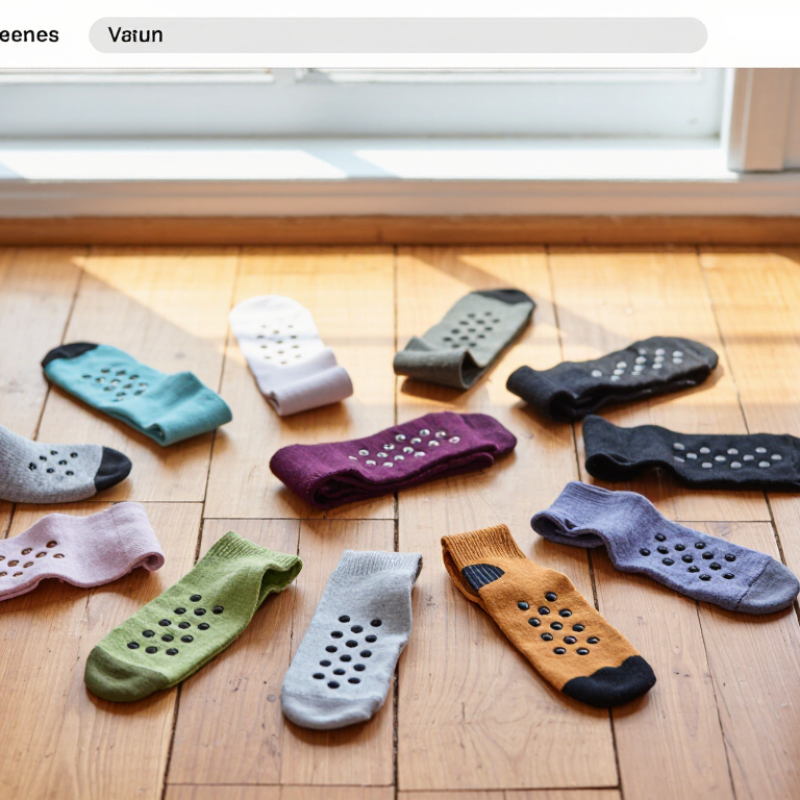
Tavi Pilates socks serve a practical purpose: they help reduce slipping during reformer work, standing balance, and transitions on smooth studio floors. Typical design details include silicone grip zones, breathable knit, and a close-fitting heel. Small differences matter. A loose heel can twist during a lunge, while thick seams may irritate toes. Buyers should assess grip durability after washing, fabric recovery, size consistency, and fit across different foot shapes.
China’s supplier market sits within a much larger sports economy. The General Administration of Sport of China reported that the country’s sports industry generated 3.67 trillion yuan in total output in 2023, with 1.49 trillion yuan in added value. Those figures describe the entire sports industry, not Pilates socks specifically; no comparable official sock-sales breakdown is readily available. Still, the scale helps explain why studios, distributors, and online retailers can source varied textile products domestically. For sourcing, request material specifications and sample pairs, then test them on the actual floor surface. Grip can feel strong in a showroom and weaker after repeated washing. That detail is easy to miss.
| No. | Supplier Profile | Relevant Chinese Sourcing Area | Potential Product Strength | Best Fit for Buyers | Key Checks Before Ordering |
|---|---|---|---|---|---|
| 1 | Hosiery-focused OEM manufacturer | Datang, Zhuji, Zhejiang, a well-known hosiery production cluster | Knitted sock construction, size grading, and repeat production | Buyers seeking custom Pilates or studio socks at scale | Request samples, confirm knitting specifications, and verify quality-control procedures. |
| 2 | Custom grip-sock manufacturer | Zhejiang hosiery sourcing network | Grip-pattern customization and coordination of sole printing with sock production | Brands or distributors developing differentiated non-slip styles | Ask for grip-material details and test traction, wash durability, and placement consistency. |
| 3 | Small-batch hosiery workshop | Regional hosiery manufacturers in Zhejiang | Flexible sampling and smaller production runs, depending on factory capacity | Start-ups and buyers validating designs before a larger order | Confirm minimum order quantity, sample charges, production capacity, and reorder terms in writing. |
| 4 | Performance-knit sock producer | Established textile and hosiery sourcing networks in eastern China | Technical yarn combinations and construction options for stretch and fit | Buyers prioritizing fit, durability, and repeated studio use | Obtain the exact fiber composition and check stretch recovery, seam comfort, and size consistency. |
| 5 | Private-label sock factory | Zhejiang and other established apparel-manufacturing regions | Custom labels, packaging, colorways, and product specifications where offered | Retailers and distributors building their own product lines | Clarify which customization steps are performed in-house and approve packaging proofs before production. |
| 6 | Knitted-accessory OEM supplier | Apparel and textile manufacturing regions across eastern and southern China | Coordination of socks with related knit accessories or coordinated collections | Buyers sourcing multiple complementary studio products | Check whether sock knitting is produced directly or subcontracted, and audit subcontractor controls. |
| 7 | Design-led hosiery supplier | Hosiery and fashion-accessory sourcing networks in Zhejiang | Seasonal patterns, color development, and design adaptation | Retailers looking for fashion-oriented Pilates sock collections | Confirm colorfastness, artwork approval, sample-to-bulk consistency, and design ownership terms. |
| 8 | Export-oriented sock manufacturer | Major coastal manufacturing and export regions in China | Experience coordinating export documentation and international order requirements | Importers buying for overseas distribution | Verify export experience, product testing documents, carton details, and delivery responsibilities. |
| 9 | Integrated textile-to-sock supplier | Textile-manufacturing clusters with access to yarn and knitting supply chains | Potentially closer coordination of yarn selection, knitting, finishing, and packing | Buyers seeking clearer production oversight across several stages | Map the actual production steps and request traceable information about materials and subcontracting. |
| 10 | Trading and sourcing partner for hosiery | Commercial sourcing centers connected to Chinese hosiery factories | Supplier coordination and access to multiple factory options | Buyers who need sourcing support or are not ready to manage factory communication directly | Identify the manufacturing factory, clarify service fees, and confirm who is responsible for quality claims. |
Note: This is a practical supplier-profile guide, not a verified ranking of named companies. Supplier capabilities, production locations, minimum order quantities, prices, and lead times vary; confirm them directly with each prospective supplier. Pilates grip socks commonly combine a knitted sock upper with a non-slip sole treatment, but buyers should verify the material composition and performance of each product sample.