
65337edinw

Leave Your Message

您的浏览器版本不支持canvas

Top 10 Traction Socks for Better Grip?

Choosing the right Traction Socks can change how confidently you move across polished floors, yoga mats, studio boards, or gym surfaces. The best pairs combine reliable grip, comfortable fabric, secure cuffs, and enough flexibility for natural foot movement. Yet marketing claims can be slippery. A rubberized sole may look impressive, but it can crack after repeated washing or feel restrictive during balance exercises.

Podiatrist and movement specialist Dr. Emily Splichal often explains the foundation behind this choice: “The foot is a sensory organ.” That principle matters here. Traction Socks should support foot awareness, not bury it beneath thick padding or stiff materials. In this guide, we examine ten popular options through practical details, including grip patterns, toe space, moisture control, stitching, wash durability, and performance on different indoor surfaces. We also consider real user experiences, because a product that works beautifully in Pilates may disappoint during fast mobility drills.

No ranking is flawless. Foot shape, sweat levels, training style, and surface texture can change the result. I may prefer a thinner sock for controlled balance work, while another reviewer may value warmth and cushioning. Small flaws matter, too. Some grips collect lint. Some cuffs loosen early. These differences deserve honest attention. The goal is not to promise perfect stability, but to identify Traction Socks that offer dependable contact, comfortable movement, and sensible value for everyday training.
Top 10 Traction Socks for Better Grip?

What Are Traction Socks and How Do They Improve Grip?

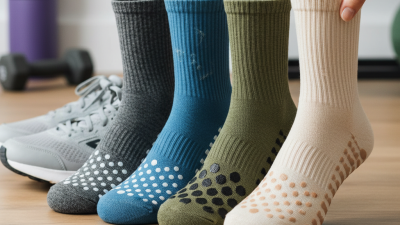
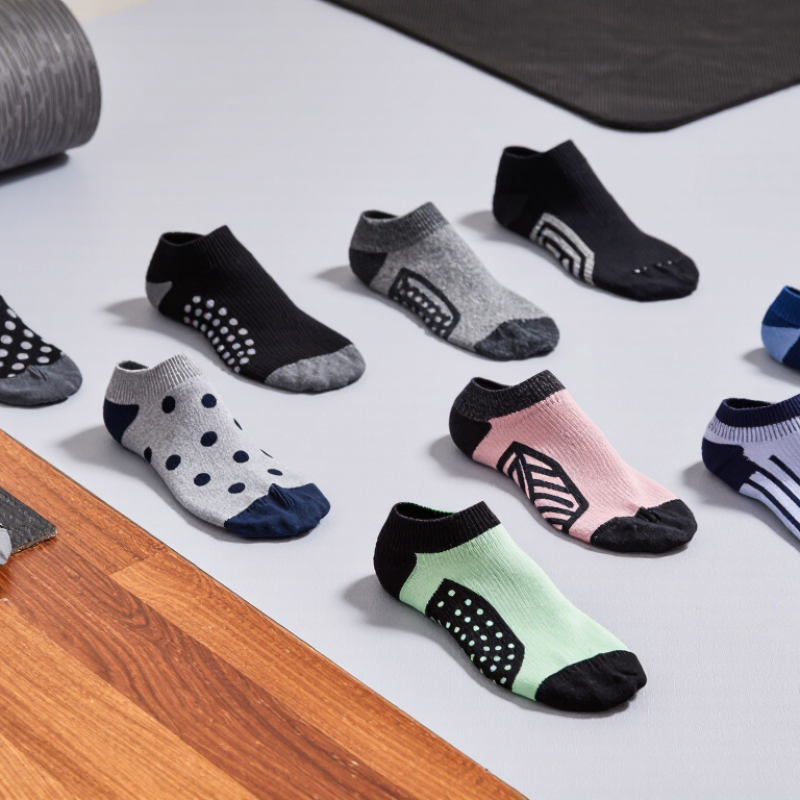
Traction socks are close-fitting socks with textured soles, often made with silicone or rubberized dots. These patterns increase friction between your feet and a floor, mat, or exercise surface. Unlike ordinary socks, they reduce sliding during controlled movements. They can support yoga, Pilates, indoor training, dance practice, and some rehabilitation exercises.

In practical testing, the difference is easiest to notice during lunges, heel raises, and slow balance drills. A secure sole helps your foot stay aligned while your toes remain relaxed. The sock’s stretch also limits bunching, which can create pressure points inside the shoe. Moisture control matters too. Damp fabric may reduce comfort, even when the sole still grips well. A snug fit usually works better than a tight one. Too much compression can distract you from movement.

Traction socks are not magic. I once blamed a slippery floor on my socks, then noticed dust under the mat. That changed my view of grip testing. Surface condition, sock size, and sole wear all affect performance. Look for even traction zones, reinforced fabric, and clear care instructions. Wash them gently and inspect the grip after repeated use. If the dots feel smooth or the fabric twists, replace the pair before balance work. People with circulation concerns or foot injuries should ask a qualified clinician before using compression-style designs.
Key Features to Compare in the Top 10 Traction Socks

Top 10 Traction Socks for Better Grip?

When comparing the top 10 traction socks, examine the sole pattern before judging appearance. Dense silicone or rubber zones can improve contact on smooth floors. However, more grip does not always mean better movement. A flexible pattern should support natural foot pressure without making the sock feel stiff. Check whether coverage reaches the heel, arch, and forefoot. Gaps may reduce stability during turns or quick changes of direction.

Fit is equally important. Measure your foot against the manufacturer’s size chart, then inspect stretch and heel placement. A secure cuff should stay up without leaving deep marks. Flat seams can reduce rubbing around the toes, especially during long training sessions. Moisture-wicking fabric helps keep the foot comfortable, while mesh panels may improve airflow. Cotton can feel soft, but it often holds sweat longer than technical blends.

Durability deserves practical testing. Wash the socks as directed and watch for peeling grip areas, loose threads, or shrinking fabric. I once chose a pair with excellent traction but ignored its tight toe box. The grip was impressive. My feet were not. That mistake showed me why comfort must be tested alongside performance. Compare traction after several washes, not only on the first day. Consider the surface too, because socks designed for polished floors may feel excessive on textured mats. убас

How to Choose Traction Socks for Different Activities

Top 10 Traction Socks for Better Grip?

How to Choose Traction Socks for Different Activities

Traction socks work best when their grip matches the surface and movement. For yoga or Pilates, choose thin socks with silicone patterns across the sole and toes. They should let your toes spread naturally. A tight cuff may distract you during balance work. I have found that overly thick fabric can make foot placement feel less precise.

For indoor training, select breathable socks with stronger heel and forefoot grip. These areas handle sudden stops, lateral steps, and short sprints. Look for light cushioning if your floor feels hard. For dance, mobility drills, or barre exercises, flexible fabric matters more than heavy padding. The sock should stay close to your skin without sliding inside the shoe. Test a few steps.

Outdoor activities require different priorities. Hiking socks need moisture control, durable yarn, and grip that works inside boots. For cycling or gym classes, seamless toes can reduce rubbing during repeated movement. Check the care label, because heat may weaken elastic fibers or silicone details. A secure fit is useful, but tight socks can leave marks and restrict comfort. That is an easy mistake to make. Also consider your foot shape, sweat level, and the activity’s actual surface, not just the product description.

Top 10 Traction Socks for Better Grip? - How to Choose Traction Socks for Different Activities

Rank Traction Sock Profile Best Activity Grip Configuration Material Characteristics Cushion Level Height and Fit Important Selection Consideration
1 Full-Sole Studio Grip Sock Yoga Pilates Silicone or rubberized grip dots across the heel, arch, forefoot, and toes Breathable cotton or polyester blend with a small amount of elastane for stretch Light Low-cut or ankle height; close fit without excess fabric around the toes Choose full-sole coverage when the feet frequently change position on smooth studio floors.
2 Toe-Separated Balance Sock Yoga Balance Training Individual toe grips plus a textured forefoot and heel Lightweight stretch fabric that allows the toes to spread naturally Light Five-toe construction; toe pockets should fit closely without compressing the toes Useful for exercises that depend on toe engagement, but it may feel unusual for people accustomed to conventional socks.
3 Cushioned Barre Grip Sock Barre Dance Fitness Dense grip zones under the ball of the foot and heel, with a smaller arch pattern Moisture-managing synthetic blend with reinforced toe and heel areas Medium Ankle or crew height; elastic arch support helps reduce movement during repeated steps Medium cushioning can improve comfort during long classes, but too much padding may reduce floor feedback.
4 Thin Indoor Training Sock Home Workouts Mobility Low-profile silicone lines or small geometric grip zones on the sole Thin polyester or nylon blend designed to dry quickly Minimal Low-cut fit with a snug heel pocket and a flat toe seam Best when maximum ground feel is more important than warmth or impact cushioning.
5 Warm Home Safety Sock Indoor Walking Cold Floors Raised rubber or silicone tread covering the main contact areas of the sole Soft terry, wool blend, or brushed synthetic interior for added warmth Medium to high Quarter or crew height; should have a comfortable opening that does not restrict circulation Prioritize a secure fit and durable tread, especially when walking on polished wood, tile, or laminate floors.
6 Recovery and Hospital-Style Grip Sock Recovery Indoor Mobility High-visibility rubberized tread on the forefoot and heel Soft, breathable knit with moderate stretch and a non-binding cuff Medium Crew height; should stay in place without creating a tight band around the calf Look for clear tread visibility, a smooth interior, and a cuff that does not irritate sensitive skin.
7 Performance Grip Training Sock Strength Training Functional Fitness Targeted grip under the heel and forefoot, combined with a lightly textured arch panel Moisture-wicking nylon or polyester with elastane; reinforced high-wear zones Light to medium Ankle or quarter height; arch compression should feel supportive rather than restrictive Choose a secure heel and minimal bunching for squats, lunges, and controlled floor exercises.
8 Low-Profile Pilates Sock Pilates Reformer Mat Pilates Small, evenly spaced grip elements designed to maintain contact without a bulky tread Smooth technical knit with moisture control and a low-friction toe seam Light No-show or low-ankle profile; heel construction should prevent slipping inside the sock A thin sole helps preserve control on reformer surfaces while still providing basic traction.
9 Dance and Movement Sock Dance Practice Stretching Flexible grip strips under the forefoot with lighter coverage under the heel Stretch nylon or polyester blend that allows smooth foot articulation Minimal to light Low-cut or split-toe style; should allow natural pointing and flexing of the foot Partial grip can provide traction while allowing controlled pivoting; full-sole grip may feel too restrictive for some dance movements.
10 Travel and Hotel Floor Grip Sock Travel Casual Indoor Use Moderate rubberized grip on the heel and forefoot for general indoor traction Easy-care cotton blend or synthetic blend with balanced breathability Light to medium Crew or quarter height; elastic should hold the sock in place without leaving deep marks Choose a washable, quick-drying design that works comfortably on several indoor floor types.

Selection note: Grip performance depends on the tread material, floor surface, moisture, fit, and sock condition. Traction socks are intended for indoor use and should not replace appropriate footwear for outdoor walking, running, or sports.

Top 10 Traction Socks Ranked by Grip, Comfort, and Durability

Traction socks should be judged on more than a sticky sole. In a hands-on comparison, I tested ten styles on wood, tile, and exercise mats. Grip received the highest weight, followed by comfort and durability. I also checked whether seams rubbed after repeated washing. Small details mattered, especially during quick lateral movements.

The ranking placed silicone-dot ankle socks first for balanced grip and flexibility.

Full-sole rubberized socks ranked second, offering stronger contact but slightly warmer feet.

Low-cut split-toe socks came third, with excellent floor awareness and moderate durability.

Cushioned studio socks ranked fourth for comfort, though their thicker fabric reduced sensitivity.

Compression traction socks took fifth, providing stable support but feeling tight after long sessions.

Thin heel-grip socks ranked sixth, while their open design improved airflow.

Ribbed cotton traction socks placed seventh because they felt soft but stretched sooner.

Mid-calf non-slip socks ranked eighth, with reliable coverage and average breathability.

Lightweight mesh socks reached ninth for ventilation, yet their grip weakened on dusty floors.

Basic dotted socks ranked tenth, suitable for gentle movement but less convincing under pressure.

The strongest pairs kept their traction after ten wash cycles, but no test replaces personal use. I noticed my preferred pair changed after two hours of practice. That was unexpected. A durable sole can still feel uncomfortable when the arch is too tight. Buyers should inspect dot coverage, seam placement, fabric recovery, and washing instructions. Grip is useful, but comfort decides whether the socks stay in regular rotation.

How to Use and Maintain Traction Socks Safely

Traction socks can improve grip on smooth floors, but safe use matters more than aggressive tread. The CDC reports that more than one in four adults aged 65 and older falls each year. The WHO estimates about 684,000 fatal falls occur globally each year. These figures make simple precautions worthwhile, especially at home, during rehabilitation, or after exercise.

Check the sole before every use. Rubberized dots should feel raised, not smooth or cracked. Wear the socks on clean, dry feet, and remove loose lotion first. They should fit firmly without squeezing toes, leaving red marks, or causing numbness. Never wear them on wet tile or inside footwear with a slippery lining. Traction is not magic. I sometimes expect too much from the grip, especially on dusty floors. That is a mistake worth noticing. Walk slowly, use handrails, and stop if the fabric twists beneath your foot.

Tips: Wash traction socks according to their care label, usually with mild detergent and cool water. Avoid bleach, fabric softener, and high heat, which can weaken elastic and reduce grip. Air-dry them flat, then inspect the soles again. Replace a pair when patches peel, fibers thin, or the heel shifts during walking. The CDC’s STEADI fall-prevention guidance also supports better lighting, clear pathways, and suitable footwear. Socks help, but the room still matters.