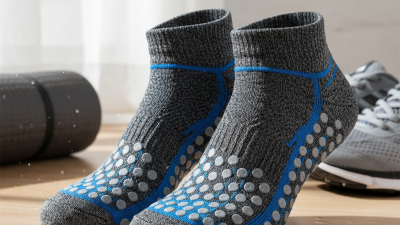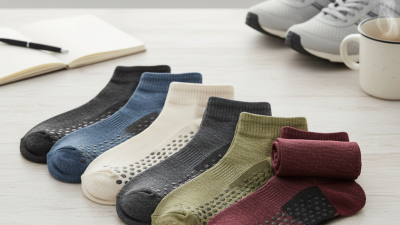

The global sock market is becoming more technical, design-led, and comfort-focused. Grand View Research valued the market at approximately USD 47.25 billion in 2023. It also projects a compound annual growth rate of about 6% from 2024 to 2030. These figures support growing demand for specialized products, including No Slip Ankle Socks.
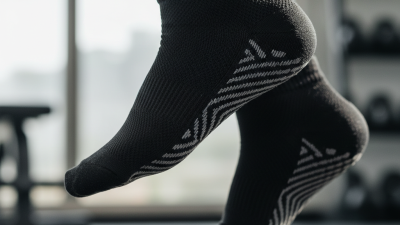
Performance matters in a crowded supplier market. Buyers now examine silicone heel grips, elastic recovery, moisture management, toe-seam comfort, and wash durability. A sock may look secure on a product page, yet slide under a running shoe after thirty minutes. Small details matter. The heel tab should stay flat. The cuff should hold without leaving deep marks. Textile Exchange’s Materials Market Report also highlights continued attention toward recycled fibers and material traceability. Sustainability claims still require careful verification.
Footwear biomechanics expert Dr. Benno Nigg is widely associated with the practical principle, “The best shoe is the one that feels best.” His point applies here: grip cannot replace comfort, and compression cannot excuse poor fit. This guide evaluates the Top 10 No Slip Ankle Socks Suppliers Worldwide through product construction, manufacturing experience, quality controls, customization, certifications, and delivery capability. Supplier rankings are never perfect. Factory data can change, and online claims sometimes remain incomplete. Therefore, readers should request samples, inspect the silicone pattern, test repeated washing, and confirm fiber content before placing larger orders. A reliable supplier should explain performance with evidence, not just attractive promises.
A high-quality no-slip ankle sock supplier proves performance beyond a product photograph. Grand View Research estimated the global socks market at about USD 49 billion in 2022. This scale increases choice, but it also increases inconsistent quality. A reliable supplier should show test records for grip strength, seam durability, shrinkage, and colorfastness. The silicone or rubber grip must stay flexible after repeated washing. It should not feel sharp against the heel.
Material knowledge matters. Textile Exchange reported that polyester represented approximately 57% of global fiber production in 2023. Suppliers should explain fiber content clearly, including recycled inputs and elastane percentages. A competent factory can provide yarn specifications, production tolerances, and washing instructions. It should also use recognized testing methods, such as ISO 2859-1 sampling and abrasion testing. Claims without test dates are weak evidence.
Experience appears in small details. Ask for pre-production samples, packed measurements, and photographs after washing. Check whether the ankle opening leaves red pressure marks. Ask how many pairs failed during the last quality inspection. Honest suppliers share defects, not only perfect samples. That matters.
No supplier is flawless. I would still request independent laboratory verification for large orders. A low return rate sounds useful, but it may hide limited customer feedback. The best supplier combines stable production, traceable materials, responsive communication, and realistic claims. Overpromising is a warning sign.
| Rank | Anonymous Supplier Profile | Overall Score | Primary Manufacturing Region | Typical MOQ | Standard Production Lead Time | Common Material Composition | Anti-Slip Construction | Size Coverage | Customization Capability | Quality and Compliance Indicators | Best-Fit Buyer |
|---|---|---|---|---|---|---|---|---|---|---|---|
| 1 | Supplier Profile A | 9.4 / 10 | East Asia | 500–1,000 pairs | 18–25 working days | Combed cotton, recycled polyester, polyamide, elastane | Silicone or PVC grip zones on the sole and heel | Children's, women's, men's, and extended sizes | Custom colors, packaging, labels, grip patterns, and size grading | Third-party textile safety testing, colorfastness testing, dimensional stability checks, and batch inspection | Retail chains, private-label programs, and sportswear distributors |
| 2 | Supplier Profile B | 9.2 / 10 | South Asia | 1,000–2,000 pairs | 22–32 working days | Organic cotton, recycled polyester, nylon, elastane | High-density silicone print with reinforced heel and toe areas | Adult and junior size ranges | Custom fiber blends, private labels, hangtags, cartons, and artwork | Documented in-line inspection, needle detection, azo-free dye controls, and pre-shipment inspection | Eco-conscious brands and mid-volume importers |
| 3 | Supplier Profile C | 9.0 / 10 | Western Europe | 300–800 pairs | 20–30 working days | Merino wool blends, polyamide, recycled fibers, elastane | Low-profile silicone dots designed for yoga, Pilates, and studio use | Women's, men's, and unisex sizes | Custom knitting structures, technical yarns, color matching, and packaging | Traceable material documentation, restricted-substance testing, shrinkage testing, and product audits | Premium wellness, hospitality, and studio-sock programs |
| 4 | Supplier Profile D | 8.8 / 10 | Southeast Asia | 1,500–3,000 pairs | 25–38 working days | Combed cotton, polyester, spandex, and moisture-management yarns | Full-sole grip pattern with additional heel stabilization | Infant, children's, and adult sizes | Custom grip artwork, color combinations, packaging, and carton quantities | Standard operating procedures for knitting, linking, grip application, washing, and final inspection | Large-volume promotional and department-store orders |
| 5 | Supplier Profile E | 8.7 / 10 | East Asia | 500–1,500 pairs | 20–28 working days | Modal, cotton, polyamide, and elastane | Flexible silicone grip bars intended to reduce slipping inside shoes | Women's, men's, and children's sizes | Small-batch sampling, custom logos, colorways, labels, and retail packaging | Grip adhesion checks, wash-cycle testing, color matching, seam inspection, and measurement reports | Online retailers and fashion accessory wholesalers |
| 6 | Supplier Profile F | 8.5 / 10 | South Asia | 2,000–5,000 pairs | 28–45 working days | Carded cotton, polyester, nylon, and elastane | Printed rubber or silicone grip across the forefoot and heel | Core adult sizes with selected children's sizes | Custom packaging and color development; limited technical construction changes | Batch sampling, fabric composition verification, seam-strength checks, and pre-shipment inspection | Value-focused wholesalers and promotional merchandise buyers |
| 7 | Supplier Profile G | 8.4 / 10 | Turkey and nearby European production hubs | 500–1,000 pairs | 18–30 working days | Organic cotton, cotton-modal blends, polyamide, elastane | Silicone heel inserts combined with a light forefoot grip | European adult and children's size ranges | Custom labels, packaging, yarn colors, and seasonal collections | Fiber-content labeling controls, colorfastness tests, wash testing, and finished-goods inspection | European fashion retailers and sustainable lifestyle brands |
| 8 | Supplier Profile H | 8.2 / 10 | North America and Mexico | 1,000–3,000 pairs | 25–40 working days | Cotton, recycled polyester, nylon, and elastane | Durable silicone or rubberized grip printed on high-contact areas | Women's, men's, and youth sizes | Private labels, barcodes, retail packaging, and custom assortment planning | Supplier quality agreements, packaging compliance checks, wash durability testing, and lot traceability | Regional retailers and buyers requiring shorter domestic logistics routes |
| 9 | Supplier Profile I | 8.0 / 10 | Eastern Europe | 300–700 pairs | 20–35 working days | Combed cotton, bamboo-derived viscose, polyamide, elastane | Discrete silicone grip dots for indoor use and hospitality applications | Adult and unisex sizes | Custom color matching, embroidery, packaging, and small-batch development | Material declarations, restricted-substance controls, shrinkage testing, and manual finishing inspection | Boutique retailers, hotels, spas, and small private-label projects |
| 10 | Supplier Profile J | 7.8 / 10 | South America | 1,000–2,500 pairs | 30–45 working days | Cotton, polyester, polyamide, and elastane | Basic non-slip sole printing with optional heel grip reinforcement | Core adult sizes | Custom colors, logos, packaging, and selected size adjustments | Visual inspection, weight and measurement checks, wash testing, and shipment sampling | Domestic and regional distributors seeking localized supply |