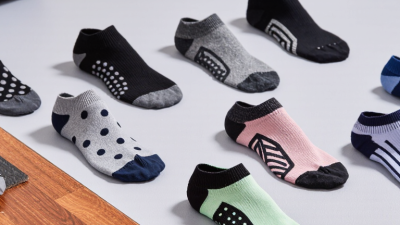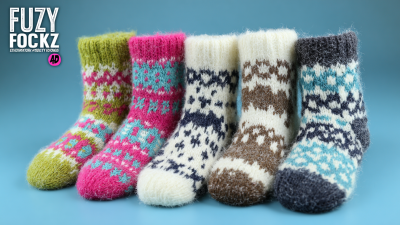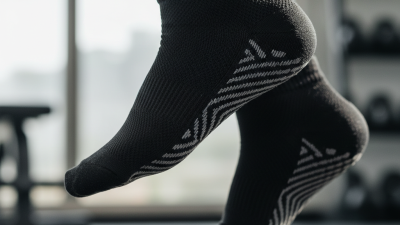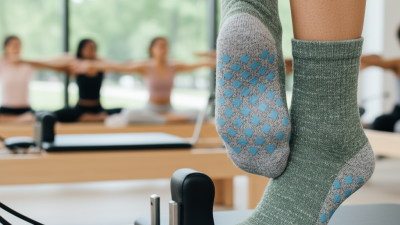

Choosing the 2026 Best Fuzzy Socks With Grips for wholesale buyers requires more than soft colors and attractive packaging. Retailers need dependable warmth, stable traction, repeatable sizing, and margins that survive real-world selling conditions. A sock may feel luxurious on the display table, yet disappoint after washing. Small details matter.
Dr. Emily Splichal, a podiatrist and human movement specialist, often says, “The foot is the foundation of the body.” Her reminder applies directly to Fuzzy Socks With Grips. A secure silicone or PVC grip pattern can reduce sliding on polished floors, while a cushioned sole can improve comfort during long indoor wear. However, grip performance varies between suppliers. Buyers should inspect dot coverage, adhesion, fabric recovery, and wash resistance before approving large quantities.
This guide examines practical wholesale concerns for 2026. It considers polyester, acrylic, wool-blend, and recycled-fiber options. It also compares ankle height, stretch range, packaging formats, minimum order quantities, private-label support, and seasonal color planning. Samples should be tested on tile, wood, and carpet. They should also be washed repeatedly.
Real purchasing decisions are rarely perfect. A thicker sock may sell well in winter but create size complaints. A stronger grip may feel less flexible. Low pricing can hide inconsistent stitching or weak packaging. No buying guide can remove every uncertainty. It can, however, help buyers ask sharper questions, compare suppliers fairly, and select Fuzzy Socks With Grips that perform beyond the product photograph.
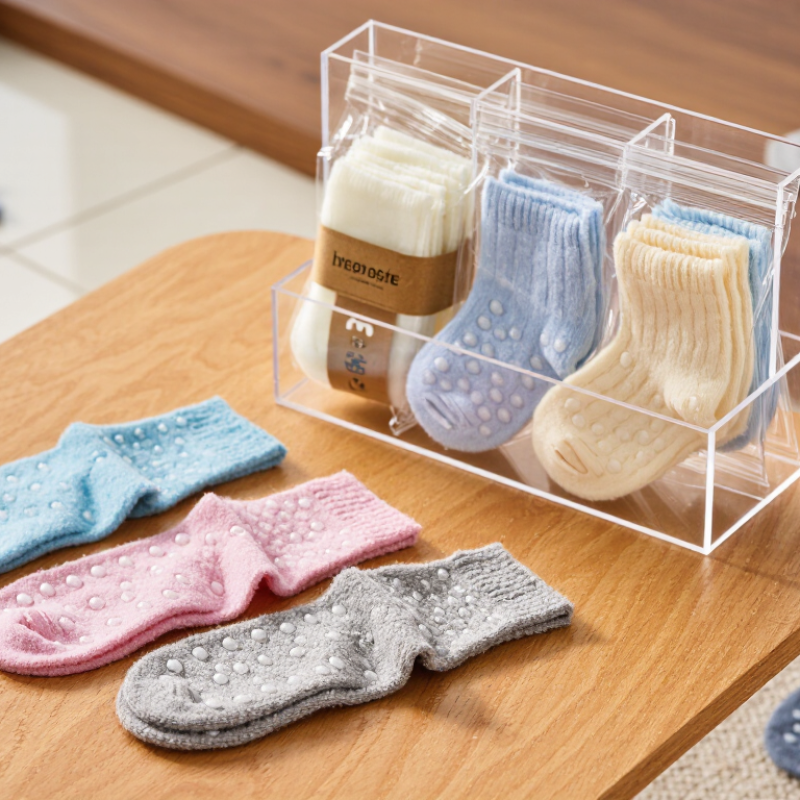
Fuzzy socks with grips combine a soft, brushed yarn surface with traction patterns on the sole. The fuzzy layer provides warmth and a plush feel, while silicone or rubber-like dots help reduce sliding on smooth indoor floors. Common features include stretch cuffs, reinforced toes, breathable knit zones, and multiple size options. However, softness can mislead. A very thick sock may feel luxurious but dry slowly after washing.
For wholesale buyers, these socks suit winter gift sets, hotel amenities, indoor leisure programs, family retailers, and seasonal homewear collections. They can also support promotional bundles because their practical use is easy to understand. Before placing a large order, check fiber content, grip coverage, stitching quality, and size consistency. Request wash-test results when possible. Loose grips or uneven cuffs can create returns and weaken customer trust. Color accuracy also matters, especially for online sales.
Tips: Compare samples from different production batches. Test grip performance on tile and wood surfaces. Ask about packaging, carton quantity, and delivery timing. Do not judge quality by touch alone. A warm sample may still lose shape after repeated washing. Consider adding care labels and clear size charts. Small details reduce confusion, though buyers sometimes overlook them.
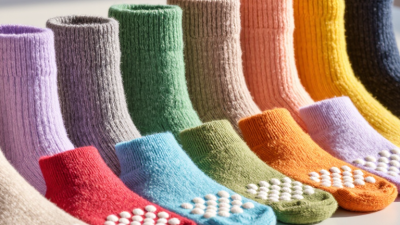
For 2026 wholesale fuzzy socks, material selection should begin with fiber ratios, not appearance. Textile Exchange’s 2024 Materials Market Report recorded global fiber production at about 124 million tonnes in 2023. Polyester represented approximately 57% of output, while cotton accounted for about 22%. These figures reflect supply strength, but not automatically better comfort.
A practical fuzzy sock blend may use 70–85% polyester, 10–25% polyamide, and 3–8% elastane. Polyester supports softness, color retention, and faster drying. Polyamide improves abrasion resistance around the heel and toe. Elastane protects fit after repeated washing. More elastane is not always better. It can increase compression and raise production costs.
GSM also changes the buying experience. Around 180–220 GSM suits lightweight indoor socks. A 220–300 GSM structure offers warmer cushioning without excessive bulk. Above 300 GSM may feel luxurious, but it can reduce shoe space and slow drying. Testing matters.
Too much bulk.
Grip performance depends on both fabric and application. Silicone or rubberized dots should remain flexible after washing, while the sock sole needs enough density to prevent stretching. A 2024 report from the International Textile Manufacturers Federation highlighted continuing pressure on textile costs and supply planning, making consistent specifications important for wholesale orders. Buyers should request wash-cycle tests, dimensional-change results, and slip-resistance data. I would also question attractive sample claims. One sample is not evidence of stable production.
| Product Profile | Recommended Fiber Ratio | Typical GSM | Fuzzy Construction | Grip Configuration | Warmth | Moisture & Drying | Stretch & Fit Stability | Expected Performance Use | Wholesale Specification Notes |
|---|---|---|---|---|---|---|---|---|---|
| Balanced Everyday Fuzzy Grip Sock | 100% polyester | 150–190 g/m² | Medium-pile brushed knit; soft hand feel with moderate bulk | Partial sole, 35–45% coverage | Medium | Low moisture absorption; generally fast drying because polyester retains little water | Good recovery when knit with an elasticated cuff; moderate shape retention | General home wear, gift sets, winter lounge programs | Cost-efficient option; check pilling resistance and grip adhesion after repeated washing |
| Warm Acrylic-Blend Fuzzy Sock | 85% acrylic, 12% polyester, 3% elastane | 180–230 g/m² | High-pile brushed surface; warmer and loftier than a standard polyester style | Full sole, 70–85% coverage | High | Low absorbency; dries relatively quickly, but the thicker pile increases drying time | Very good stretch; elastane supports fit retention and reduces slippage | Cold-weather indoor use, premium-feel seasonal assortments | Higher GSM improves warmth but increases packing volume and freight cube |
| Soft Comfort with Cotton-Rich Footbed | 55% cotton, 40% polyester, 5% elastane | 170–220 g/m² | Brushed polyester outer pile with a cotton-rich inner footbed | Heel and forefoot grip zones, 45–55% | Medium to high | Higher moisture absorption than synthetic-only options; usually slower to dry | Comfortable fit, but cotton can hold moisture and may shrink if care is not controlled | Comfort-focused retail packs and family lounge programs | Specify pre-shrinking, dimensional tolerance, and colorfastness testing before bulk production |
| Lightweight Microfleece Grip Sock | 92% polyester, 6% nylon, 2% elastane | 120–160 g/m² | Low-pile microfleece lining; lighter and less bulky than traditional fuzzy socks | Forefoot and heel, 30–40% | Low to medium | Low absorbency and fast drying; suitable for frequent indoor wear | Good abrasion resistance from nylon; moderate stretch from elastane | Transitional seasons, travel packs, compact e-commerce bundles | Lower GSM reduces shipping volume; confirm that the pile remains soft after laundering |
| Premium Plush Acrylic-Nylon Blend | 78% acrylic, 17% nylon, 3% polyester, 2% elastane | 210–270 g/m² | Dense high-pile plush knit with reinforced sole and toe areas | Full sole, 85–95% coverage | Very high | Low absorbency but slower drying due to dense pile and higher fabric mass | High stretch and improved abrasion resistance from nylon | Premium winter collections, comfort gifting, cold-climate indoor use | Use reinforced toe seams and test grip flexibility; higher GSM raises material and logistics costs |
| Recycled-Polyester Fuzzy Grip Sock | 90% recycled polyester, 7% polyester, 3% elastane | 155–205 g/m² | Medium-pile brushed knit made with recycled polyester yarn content | Partial sole, 45–60% | Medium | Low absorbency and generally quick drying; performance depends on yarn and finishing quality | Good fit retention when elastane is evenly distributed | Value-conscious programs with recycled-material requirements | Request verified recycled-content documentation and test pilling, colorfastness, and grip durability |
| Anti-Slip Home Safety Fuzzy Sock | 80% polyester, 17% acrylic, 3% elastane | 190–240 g/m² | Medium-to-high pile with a denser, more stable sole knit | Full sole silicone or PVC dots, 75–90% | High | Low absorbency; dense sole and grip print may extend drying time | Good overall fit; grip area should remain flexible to limit bunching | Indoor safety positioning, senior-living supply, hospital and care settings | Grip performance must be tested on the intended floor types; avoid presenting as certified safety footwear without applicable testing |
| Extra-Stretch Wide-Calf Fuzzy Sock | 82% polyester, 14% nylon, 4% elastane | 160–210 g/m² | Medium-pile knit with a wider opening and softer non-binding cuff | Heel and forefoot, 40–50% | Medium | Low absorbency and moderate-to-fast drying | High stretch; wider cuff reduces pressure but should be checked for staying power | Inclusive sizing, comfort programs, and extended-fit assortments | Define cuff circumference, stretch recovery, and size tolerance in the purchase specification |
For 2026 wholesale buyers, fuzzy socks with grips need more than soft yarn and attractive patterns. Slip resistance should be verified under realistic conditions. WHO reports that falls cause about 684,000 deaths globally each year, with older adults facing the highest risk. This makes grip performance a safety detail, not merely a comfort feature.
Ask suppliers which test standard they use. ASTM F2913 measures footwear slip performance on controlled surfaces, while ISO 13287 evaluates slip resistance using defined footwear test conditions. EN 16165 also covers pedestrian slip testing, including wet and dry surfaces. These standards do not automatically certify every sock design. Buyers should request the exact test method, surface material, water volume, testing angle, and coefficient results.
Check both dry tile and wet ceramic results. Ask whether the test used a complete sock, a sock over a foot form, or a shoe-like fixture. Results from a dry laboratory floor may look impressive but fail on a damp bathroom surface. Grip dots should remain flexible after repeated washing, stretching, and tumble drying. A useful purchasing file includes laboratory reports, batch numbers, wash-cycle data, and sample photographs.
There is no universal “safe” coefficient for every floor. That is the uncomfortable part. Some suppliers may present one number without explaining its conditions. Buyers should compare identical test setups and conduct small independent checks before placing large orders. Five pairs are not enough evidence for a full container.
How to Compare MOQ, Unit Cost, Size Ratios, and Wholesale Margins
The global socks market was valued at about USD 47.6 billion in 2023, according to Grand View Research’s 2024 Socks Market report. That growth creates opportunities, but fuzzy socks still need careful buying decisions. Grip patterns, soft polyester yarn, and gift-ready packaging can raise landed costs quickly. Ask suppliers for a complete sample, including labels and packaging. A beautiful sample means little if the final batch feels thinner.
Compare MOQ beside unit cost, not separately. A 500-pair MOQ at USD 2.10 may suit a small retailer better than 2,000 pairs at USD 1.65. Calculate freight, inspection, duties, packaging, and expected defects. Then divide the total by sellable pairs. Keep the math visible. It catches uncomfortable surprises.
Size ratios deserve practical testing. For example, a 60:30:10 ratio across small, medium, and large sizes may leave large sizes unsold in a family-focused store. Review previous sales, local shoe-size data, and seasonal demand.
The U.S. Census Bureau reported continued growth in e-commerce sales in 2024, but online returns can reduce apparent margin. Soft goods are not immune.
A 55% gross margin can shrink sharply after discounts, returns, and slow-moving sizes. I would target at least 2.2 times landed cost for wholesale pricing, then challenge that assumption with a small trial order. Forecasts are useful, but actual sell-through is more honest.
Wholesale buyers need measurable quality data, not attractive samples. Softness is not enough. For fuzzy socks with grips, test fiber composition, fabric weight, cuff recovery, pilling, colorfastness, and dimensional change after washing. Record results by production batch. A practical inspection plan can use ISO 2859-1 sampling, with separate limits for critical, major, and minor defects.
Grip performance needs closer attention. Test printed grip coverage, adhesion after repeated washing, cracking, odor, and slip resistance on dry and slightly damp surfaces. Ask suppliers for laboratory methods, calibration records, and raw test results. Do not accept “non-slip” as a complete specification. Define the rubber pattern, coverage percentage, wash cycles, and failure point in writing. A perfect first sample proves little.
Supplier transparency also matters. Textile Exchange’s 2024 Materials Market Report estimated global fiber production at 124 million tonnes in 2023, showing why material traceability deserves purchasing attention. Fashion Revolution’s 2024 Fashion Transparency Index reviewed 250 companies and reported an average transparency score of only 18%. Request fiber certificates, dye-house records, corrective-action reports, and lot-level traceability. I would not rely on a polished audit alone. Our assumptions can fail when the third production run uses different yarn tension or grip ink. Pilot orders, random mid-production inspections, and independent retesting reveal those quieter defects.