
65337edinw

Leave Your Message

您的浏览器版本不支持canvas

Top 10 Fuzzy Socks With Grips for Wholesale Buyers?

The “Top 10 Fuzzy Socks With Grips for Wholesale Buyers” guide addresses a growing demand for comfort, warmth, and safer indoor movement. Shoppers increasingly expect soft products with practical features. In retail, small details can influence repeat purchases.

The U.S. Census Bureau reported $1.19 trillion in U.S. retail e-commerce sales for 2024, representing 16.1% of total retail sales. That figure supports stronger online demand for visually appealing, easy-to-describe products. Fuzzy socks with grips fit this trend because buyers can show their texture, patterns, and silicone tread clearly through product photography. However, appearance alone is not enough.

Grand View Research identifies comfort, material quality, and changing consumer preferences as important forces in the global hosiery market. Wholesale buyers should examine fiber composition, cuff recovery, stitching, grip coverage, and packaging efficiency. A thick sock may feel luxurious, but it can also create sizing problems. That matters.

This guide compares ten options using practical wholesale criteria. These include warmth, softness, anti-slip performance, size range, color consistency, minimum order quantity, and estimated retail appeal. Supplier communication also deserves attention. Ask for samples before approving bulk production. Check the grip pattern after washing. Inspect loose threads and uneven silicone printing.

No single style suits every channel. Boutique customers may prefer muted neutrals, while gift retailers often need bright seasonal designs. Some comparisons remain subjective, especially softness and warmth. Buyers should test products independently. The final ranking is therefore a commercial starting point, not a replacement for inspection, verified specifications, or supplier due diligence.
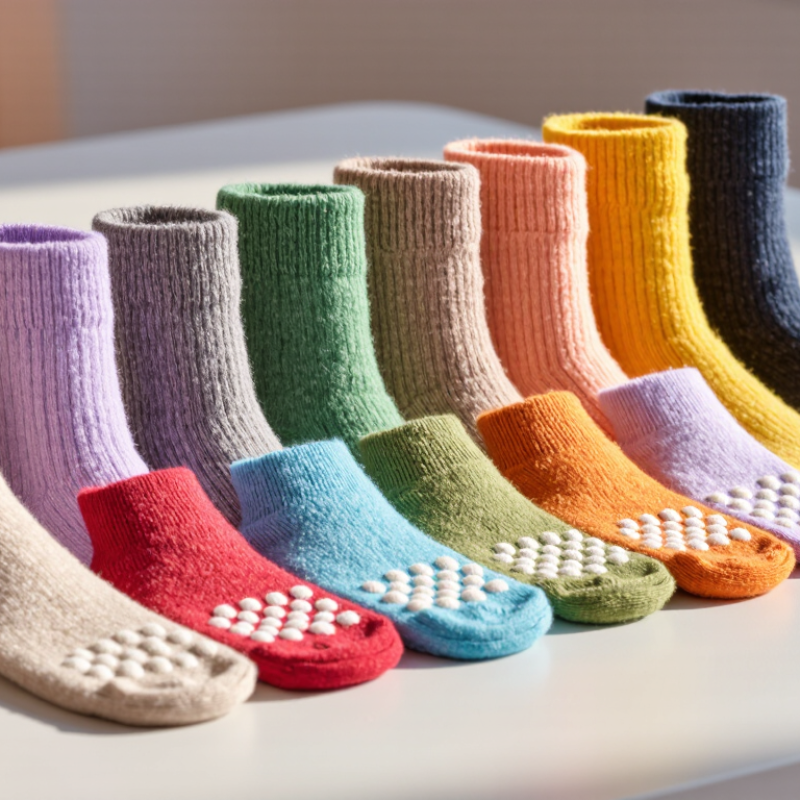
Top 10 Fuzzy Socks With Grips for Wholesale Buyers?

What Makes Fuzzy Socks With Grips Suitable for Wholesale

For wholesale buyers, fuzzy socks with grips offer a practical mix of comfort, safety, and seasonal appeal. Soft polyester or recycled-fiber yarn creates a warm, plush feel for colder months. Silicone or PVC grip patterns can improve traction on smooth floors. However, grip quality varies widely between suppliers. A sample must be tested after washing, not only when new.

Wholesale suitability also depends on consistent sizing. Buyers should request measurements for foot length, cuff height, and stretch recovery. A sock that feels generous in one batch may feel tight in another. I would compare several samples before placing a large order. Small details matter, such as reinforced toes, secure stitching, and cuffs that do not leave deep marks.

Packaging affects storage and retail handling. Flat packs reduce carton space, while clear size labels help warehouse teams work faster. Buyers should also review colorfastness, fiber content, odor, and production consistency. A simple inspection can include walking on tile, wood, and carpet. Then wash the socks according to the care label and check whether the grips crack or peel. The grip may feel too firm. That can reduce comfort. Seasonal demand is useful, but it can also create excess inventory when forecasts are too optimistic. A cautious trial order often reveals more than a supplier’s product sheet.
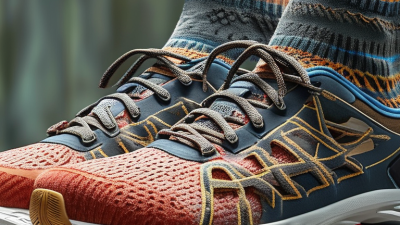
Key Features to Compare When Selecting Grip Socks

For wholesale buyers, comparing grip socks requires more than counting silicone dots. Start with fiber content, stretch recovery, and stitching quality. Cotton blends feel familiar, while synthetic fibers often dry faster. Check whether the cuff stays secure without leaving deep marks. A loose cuff creates returns. A tight cuff creates complaints.

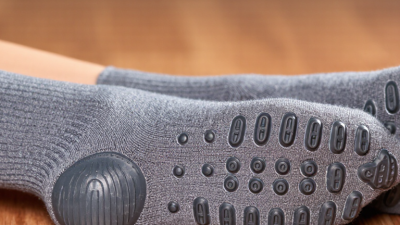
Grip performance deserves practical testing. Place samples on smooth tile, sealed wood, and exercise mats. Examine the sole after repeated washing, not just after one fitting. Grip patterns should cover pressure areas, especially the heel and forefoot. However, more grip is not always better. Excessive rubber can reduce natural foot movement. Also compare sizing consistency across colors and production batches. Small differences can become costly in wholesale orders. Request material specifications, wash-care guidance, and quality inspection records from suppliers. These details support dependable purchasing decisions.

Tips: Order samples before placing a large order. Test them with several foot shapes. Measure shrinkage after washing. Check odor retention after use. Ask for carton dimensions and packing details. Review defect tolerances in writing. A low unit price can hide weak elastic, uneven printing, or poor packaging. No single test tells the whole story. My own comparison would remain imperfect without long-term wear data, so buyers should leave room for follow-up testing.

Top 10 Fuzzy Socks With Grips for Wholesale Buyers

Key features to compare when selecting grip socks

This non-brand benchmark compares ten anonymous fuzzy sock product profiles using three wholesale selection criteria: grip coverage, material softness, and size-range flexibility. Higher scores indicate stronger suitability for buyers seeking comfort, anti-slip performance, and broader market coverage.

Top 10 Fuzzy Grip Sock Styles for Wholesale Buyers

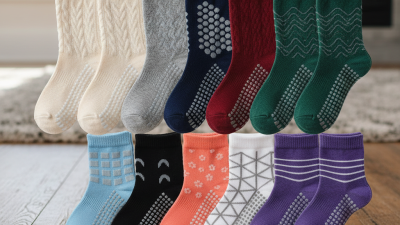
Wholesale buyers need fuzzy grip socks that feel warm, sell easily, and perform reliably. These ten styles cover practical retail needs.

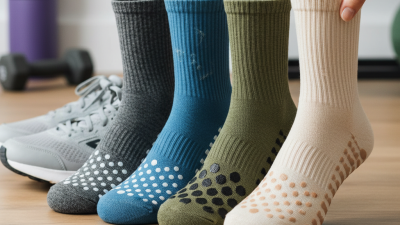
1. Classic crew socks suit everyday winter displays.
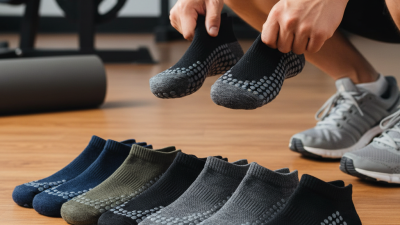
2. Ankle socks offer lighter coverage for mild climates.
3. Knee-high socks create a warmer, more dramatic look.
4. Slipper socks combine plush lining with wider grip coverage.
5. Animal-themed socks attract gift shoppers and younger customers.
6. Holiday patterns support seasonal promotions.
7. Neutral ribbed socks fit minimalist product collections.
8. Pastel styles appeal to soft, lifestyle-focused assortments.
9. Bright color-block designs improve shelf visibility.
10. Extra-thick cabin socks provide stronger cold-weather comfort.

From wholesale experience, grip patterns should cover the heel and forefoot. Small silicone dots can wear down after repeated washing. A larger tread usually feels safer on smooth floors. However, too much rubber may reduce flexibility. This balance deserves testing.

Tips: Request samples before placing a bulk order. Check stretch recovery, stitching, odor, and fiber softness. Test the socks after washing them twice. Compare size labels with actual measurements. Keep color quantities realistic, especially for seasonal designs. A beautiful style can still sell slowly. Review customer feedback and adjust the next purchase.

Top 10 Fuzzy Socks With Grips for Wholesale Buyers? - Top 10 Fuzzy Grip Sock Styles for Wholesale Buyers

Product-planning comparison of common fuzzy grip sock constructions suitable for wholesale assortments.
Rank Sock Style Common Fiber Composition Grip Construction Coverage & Fit Typical Size Range Best Wholesale Use Care Considerations
1 Classic Fuzzy Crew Polyester or acrylic with a small amount of elastane Silicone or PVC dots across the forefoot and heel Mid-calf crew; soft brushed interior Adult S–L; some ranges include children’s sizes General winter, gift, and home-comfort programs Machine wash cold; avoid high heat to protect fibers and grips
2 Chenille Plush Grip Sock Polyester chenille yarn with polyester or nylon reinforcement Raised rubberized dots or short traction bars Crew length; thick, high-pile hand feel Adult S–XL, depending on stretch Premium gift sets, comfort retailers, and seasonal displays Wash inside out; do not iron or tumble dry at high temperature
3 Sherpa-Lined Fuzzy Sock Polyester outer knit with sherpa-style polyester lining Full-width tread zones on the sole Crew or mid-calf; extra insulation and bulk Adult M–XL Cold-weather assortments and indoor winter footwear Allow longer drying time; avoid fabric softener if it reduces absorbency
4 Fuzzy Slipper Sock Polyester, acrylic, or polyester-acrylic blend Dense silicone print under the ball and heel Cushioned foot with a relaxed cuff Adult S–L; unisex sizing is common Home-living stores, hospitality gifts, and wellness packages Wash according to the fiber label; inspect grip adhesion after washing
5 Animal-Character Fuzzy Sock Polyester or acrylic with embroidered or knitted details Paw-, heart-, or dot-shaped non-slip print Crew length; novelty details may add bulk Children’s, women’s, or adult unisex ranges Gift shops, family retailers, and holiday promotions Turn inside out before washing to protect embroidery and appliqués
6 Holiday Pattern Grip Sock Acrylic or polyester yarn; elastane commonly used for stretch Seasonal shapes or simple tread lettering Crew or ankle length Children’s through adult XL Limited-time holiday, winter, and stocking-stuffer programs Use colorfast detergent; test dark-and-light color combinations
7 Fuzzy Knee-High Sock Polyester, acrylic, or blended synthetic yarn Grip print concentrated on the forefoot and heel Below-knee coverage with a taller ribbed cuff Adult S–L; extended sizes vary by supplier Cold-climate retail, lounging, and layered sleepwear collections Avoid over-stretching the cuff during packaging and display
8 Fuzzy Ankle Grip Sock Polyester or nylon blend with elastane Small silicone dots on the sole Low-cut profile; lighter than crew styles Adult S–L Travel kits, year-round loungewear, and compact gift bundles Use a gentle cycle to help retain ankle elasticity
9 Marled or Two-Tone Fuzzy Sock Mixed-color polyester, acrylic, or recycled polyester yarn Neutral silicone dots or geometric tread pattern Crew length with a flexible ribbed cuff Adult S–XL Everyday basics, department stores, and private-label collections Check for color transfer when contrasting yarns are used
10 Thermal Fuzzy Grip Sock Polyester or acrylic outer yarn with brushed thermal knit Textured silicone tread across high-contact areas Thicker crew or knee-high construction Adult M–XL Winter utility assortments, cabin stores, and cold-weather promotions Do not bleach; dry fully before folding to prevent odor retention

How to Evaluate Quality, Safety, and Comfort

Top 10 Fuzzy Socks With Grips for Wholesale Buyers

How to Evaluate Quality, Safety, and Comfort

For wholesale buyers, the best fuzzy socks are not simply the thickest pair. Across ten grip styles, inspect yarn density, stitching, and recovery after stretching. A dense knit should feel warm without trapping excessive heat. Pull the cuff gently. It should return without curling. Loose fibers are warning signs. Check toe seams by hand, especially where pressure builds inside shoes. Sample several cartons, not one perfect pair.

Grip patterns need practical testing. Place each sock on clean tile, polished wood, and smooth commercial flooring. Walk, pivot, and stop slowly. The print should remain attached after repeated flexing. Avoid designs with hard edges, strong odor, or uneven rubber coverage. A grip that feels sharp can irritate skin. For children, older adults, or lounge users, match grip strength with intended movement. Overly aggressive grips may reduce natural foot movement. This point is easy to miss.

Comfort is more than softness.

Check moisture management, ankle pressure, and inside-surface smoothness. A plush interior can shed fibers after washing, so run a test cycle before approving bulk production. Measure shrinkage, color stability, and drying time. Ask for material percentages, test records, and consistent size charts. Do not rely on photographs. I once favored a softer sample, but its cuff loosened after two washes. That mistake reinforced a useful rule: approve performance, not first impressions. Keep retained samples from every production batch. They make complaints easier to investigate and supplier discussions more factual.

Wholesale Pricing, Packaging, and Supplier Considerations

Top 10 Fuzzy Socks With Grips for Wholesale Buyers

Wholesale buying fuzzy socks with grips requires more than choosing ten attractive colors. A practical range should include ankle, crew, and extra-large sizes. Test grip adhesion after washing, not only under showroom lighting. I have seen soft fabric fail when silicone dots become stiff. That small defect can create returns.

Ask suppliers for tiered pricing by pair, carton, and mixed-size order. Request a written quote showing unit cost, sampling fees, packaging, and freight assumptions. Low pricing may hide thin yarn, uneven cuffs, or oversized cartons. Compare landed cost, not factory price alone. A modest buffer helps cover damaged pairs and seasonal demand. Still, I would not overstock before checking repeat orders. Forecasts are often optimistic.

Packaging should protect the plush texture while keeping shelves visible. Recyclable paper bands, header cards, or sealed polybags suit different retail channels. Confirm dimensions, barcode placement, carton counts, and inner-pack quantities before production. Suppliers should provide material details, grip test records, colorfastness results, and a clear replacement policy. Ask for a pre-production sample. It may expose loose threads or inaccurate colors. Keep one approved sample for inspection. Communication matters too; delayed replies during sampling can become costly after a purchase order.