What Are No Slip Ankle Socks and How Do They Work?
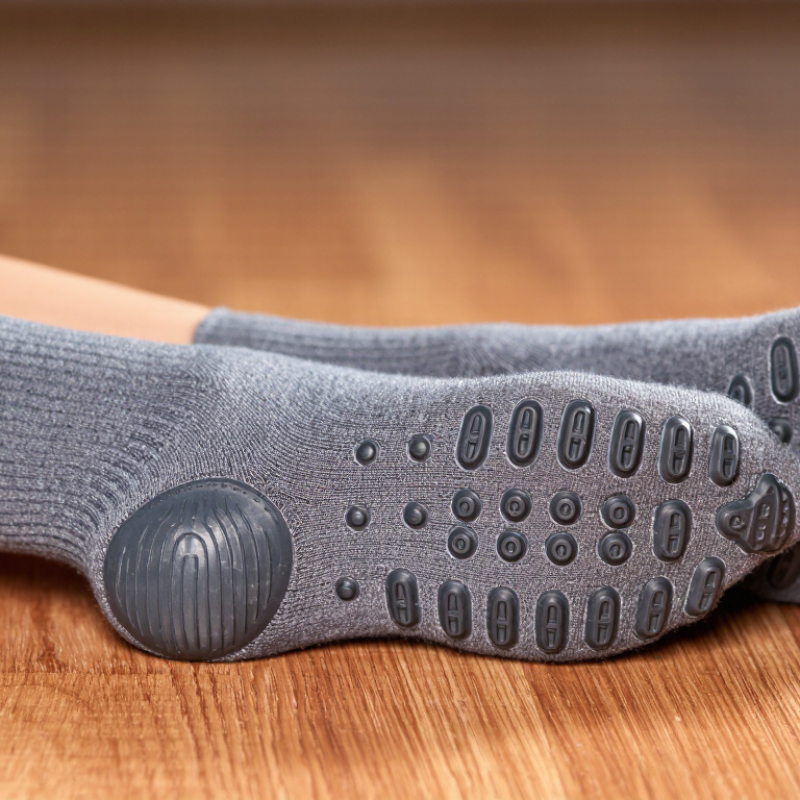
On polished wood, tile, or a studio floor, ordinary socks can slide with one quiet step. No Slip Ankle Socks are designed to add grip without covering the lower leg. They usually pair a low ankle cut with rubber or silicone patterns beneath the foot. Some designs place extra grip near the heel and forefoot, where pressure shifts during walking. The idea is simple: create more friction between sock and floor.
The safety context deserves care. The U.S. Centers for Disease Control and Prevention reports that about one in four adults aged 65 and older falls each year. That figure describes fall risk; it does not prove that grip socks prevent falls. Their performance depends on the floor, the wearer’s movement, and whether the grips are clean and intact. A worn pattern may offer less traction. So can a loose fit that lets the sock twist underfoot. Small details matter.
Not magic. Just grip.
This guide explains how the traction elements work, which materials and fits to look for, and where these socks may be useful. It also considers their limits. On wet floors, uneven ground, or when someone needs firm ankle support, socks may not be enough. For higher-risk situations, suitable footwear and professional guidance are more dependable choices. The honest answer is less tidy than the product name: No Slip Ankle Socks can improve underfoot grip, but they cannot guarantee a slip-free step.
What Defines a No-Slip Ankle Sock?
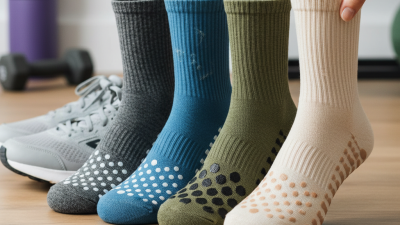
A no-slip ankle sock is a low-cut sock designed with grip features on its underside. The ankle-height cuff sits below the lower calf, while the sole usually carries small silicone or rubberized dots, strips, or textured patches. These grips create more contact with a smooth floor than ordinary yarn alone. The sock should also stay in place: a shaped heel pocket, snug midfoot knit, and elastic cuff help limit bunching. Fit matters. A loose heel can shift the grip away from where the foot meets the floor.
“No-slip” describes a design aim, not a guarantee on every surface. ASTM International’s F2913 test method assesses footwear slip performance against flooring, showing why traction depends on both the sole and the floor. Socks are not necessarily tested as footwear under that method. The CDC reports that more than one in four adults aged 65 and older falls each year; that figure does not show that grip socks prevent falls. It does underline why cautious wording matters. Look for grips spread across the heel and forefoot, and check that they remain intact after washing. Small details count. I would not treat a sock label as proof of performance, especially on wet or dusty floors.
Key Features and Materials
No-slip ankle socks combine a low-cut knit with grip zones beneath the heel and forefoot.
These are often small silicone or other elastomer dots. They add friction against smooth floors and can help limit slipping inside loose footwear. Fit matters too. A shaped heel pocket and gently elastic cuff help keep the sock in place without digging into the ankle. Some designs add a light arch band or mesh across the top for support and airflow. Still, grip is not magic. Worn dots, damp floors, or a poor fit can reduce traction, and dot count alone says little about comfort.
Material choice affects feel and wear. Cotton feels soft and absorbs moisture; polyester generally dries faster, while nylon can improve abrasion resistance. Elastane adds stretch so the cuff and heel can recover their shape. Textile Exchange’s 2024 Materials Market Report estimates that global fiber production reached 124 million tonnes in 2023, with polyester accounting for 57 percent. That industry figure is useful context, not a performance rating for any sock. Blends and proportions vary. Check the fiber label, then consider whether the sock will be worn on bare floors or inside shoes. A dense grip pattern may feel stiff against a thin shoe lining. That trade-off is easy to overlook.
Common Designs and Their Uses
No-slip ankle socks use small silicone or rubberized grips inside the heel, beneath the sole, or around the opening. Heel grips help prevent the sock from slipping into a shoe. Sole patterns add friction on smooth floors. Small details matter. Some styles use a narrow strip, while others have separate dots that flex with the fabric.
Low-cut designs sit below the ankle bone and work well with sneakers or loafers. However, a shallow cut may expose the heel and slide down. Ankle-length socks offer more coverage for walking, commuting, or light exercise. For yoga or stretching at home, grips across the sole can feel steadier on wood or tile. They are not a substitute for careful footing. A snug heel pocket and breathable knit also affect comfort; thick grips can feel awkward in close-fitting shoes.
Choose a design for its setting. Indoor grip socks may collect lint, and frequent hot washing can reduce grip over time. Check the care label and air-dry them when possible. Fit is personal. Even a well-made pair may shift if the shoe is too roomy.
Factors That Affect Fit and Performance
No-slip ankle socks use a shaped heel, a small heel tab, or grippy material to help limit slipping inside a shoe. Their performance depends heavily on fit. If the sock is too large, extra fabric can wrinkle under the heel; if it is too small, the heel may pull down with each step. Check the size guide and make sure the heel pocket sits in place without tight pressure across the toes.
Small details matter. A silicone grip strip may help, but it cannot compensate for a poor fit or a shoe with a loose heel. Fabric matters, too. Breathable blends can feel more comfortable during warm walks, while thicker cushioning may take up extra room in snug shoes. Moisture can also make fabric feel slick, so consider how long you will wear the socks and how active you expect to be. There is no single best construction for every foot.
Try the socks with the shoes you plan to wear, then walk on a clean indoor surface and check for bunching or heel movement. A sock that feels secure while standing may shift during a brisk walk. Wash it according to its care label; harsh heat can affect elastic or grip materials. Fit can change with wear, and that part is easy to overlook.
What Are No-Slip Ankle Socks and How Do They Work?
No-slip ankle socks use grippy areas—often silicone or rubber-like prints—on the sole to increase traction against a floor. Fit, grip-pad condition, and the surface all affect how well they stay put.
Relative influence is a qualitative practical guide, not a laboratory measurement. Actual grip varies with sock construction, wearer, and floor conditions. Clean, dry floors and socks that fit securely help the grip areas make consistent contact.