
65337edinw

Leave Your Message

您的浏览器版本不支持canvas

2026 How to Source No Slip Ankle Socks for Global Buyers

Global buyers are entering a more demanding socks market in 2026. Grand View Research estimates the global socks market will continue growing through 2030, supported by sportswear, wellness, and everyday comfort demand. Statista also reports strong online apparel purchasing across major regions. These shifts create room for reliable No Slip Ankle Socks, but only when sourcing decisions move beyond attractive product photos.

Dr. Emily Splichal, a podiatrist and human-movement specialist, states, “The foot is the foundation of the body.” Her principle matters during supplier evaluation. Buyers should inspect silicone heel grips, elastic recovery, toe-seam comfort, yarn composition, and wash durability. A practical sample should stay secure inside a sneaker after walking, bending, and repeated laundering. It should not feel tight around the ankle.

Small details matter.

The Global Organic Textile Standard and OEKO-TEX STANDARD 100 can support safer material screening and supply-chain credibility. ISO 12947 abrasion testing may help compare fabric durability, although it does not fully predict real-world slipping performance. Request test reports, production samples, factory photographs, and batch-level quality records. Confirm fiber percentages independently when possible.

A supplier’s lowest quotation may hide weak elastic, inconsistent sizing, or excessive packaging. That happens.

Buyers should also review MOQ flexibility, lead times, carton measurements, private-label capability, and destination-market labeling requirements. A perfect sourcing brief does not exist. Feet differ, shoes differ, and factory performance can change. The strongest 2026 strategy combines measurable testing, direct communication, and cautious repeat orders. Reliability is earned one shipment at a time.
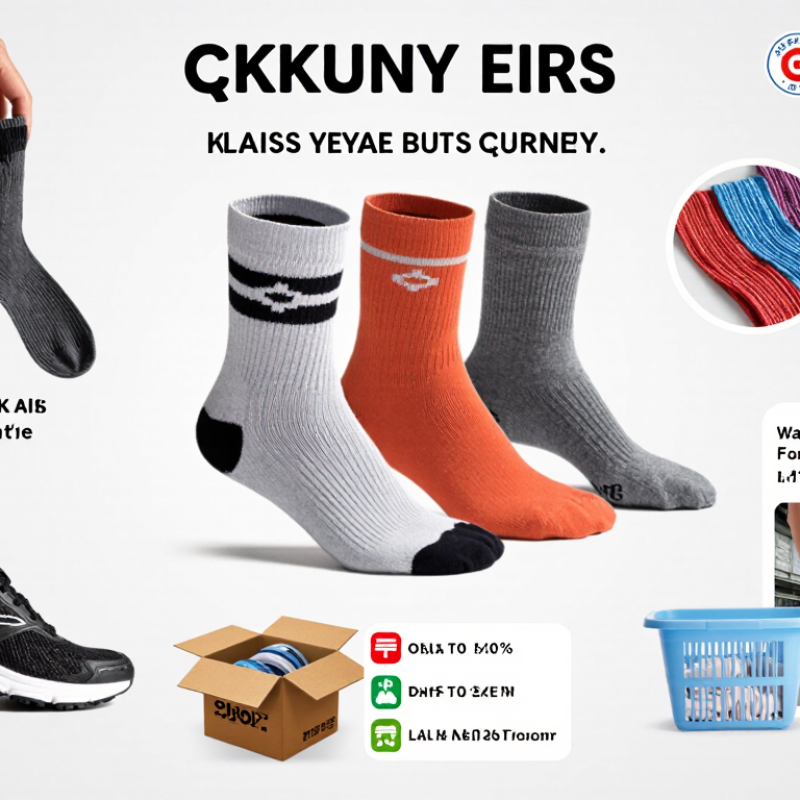
2026 How to Source No Slip Ankle Socks for Global Buyers

Define No-Slip Ankle Socks and Their Global Market Uses

No-slip ankle socks are low-cut socks ending below the ankle bone. They use a silicone grip, elastic heel band, or structured heel pocket. The design reduces slipping inside sneakers, loafers, and casual footwear. It also limits visible fabric above the shoe. However, no grip works perfectly for every foot shape. Sweaty skin, shoe lining, and repeated washing can weaken performance.

Global demand connects with comfort, sportswear, and everyday mobility. Grand View Research’s 2024 socks market report identifies comfort and changing lifestyles as important growth drivers. The report also notes rising interest in functional hosiery. In practical sourcing, buyers should compare cotton blends, nylon content, elastane recovery, and grip durability. Europe often favors discreet lifestyle styles. North American buyers commonly request athletic comfort. Asian markets show strong potential for affordable, lightweight daily socks. These are broad patterns, not fixed rules.

Tips: Request wash-test evidence before placing a large order. Check grip performance after ten and twenty washes. Measure the heel opening, cuff height, and foot length separately. Ask for samples in several sizes. A soft grip may feel better, but it can slide sooner. A stronger grip may leave marks. Review packaging, fiber labels, colorfastness, and factory quality records. The OECD Due Diligence Guidance recommends traceable and risk-aware supply practices, which can improve buyer confidence.
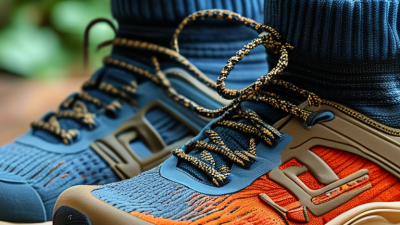
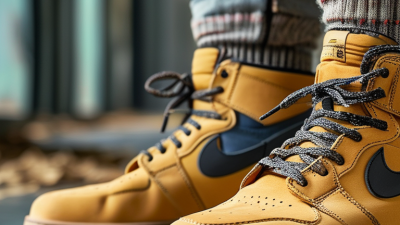
2026 How to Source No-Slip Ankle Socks for Global Buyers

Definition and Global Market Uses

No-slip ankle socks are low-cut socks designed with a silicone or elastic heel grip to reduce movement inside footwear. They are commonly used for sports, everyday casual wear, travel, work, and comfort-focused footwear. The chart presents a sourcing-priority benchmark for global buyers rather than company or brand sales data.

Buyer-use benchmark: sports and training demand emphasizes secure heel grip and moisture management; casual and travel uses prioritize comfort, low visibility, and repeat purchasing; work and healthcare uses prioritize durability, breathability, and easy-care materials.

Identify Performance, Safety, and Comfort Requirements

Global buyers should define performance before comparing prices. A reliable no-slip ankle sock needs stable grip, breathable fabric, and a cuff that stays up without leaving deep marks. Textile Exchange’s Materials Market Report 2024 reports that polyester made up about 59% of global fiber production in 2023. This supports moisture control, but recycled or virgin fiber alone does not prove comfort. Request test results for abrasion, stretch recovery, grip durability, and colorfastness after repeated washing.

Safety needs practical testing. ISO 13287 measures footwear slip resistance, but it does not fully measure sock grip on indoor floors. Ask suppliers for a separate friction test using wood, tile, and damp surfaces. Check silicone or printed grip adhesion after 30 washing cycles. Review restricted-substance screening, skin-contact dye safety, and seam construction. A flat toe seam can reduce rubbing, especially during long shifts. However, no grip pattern works equally well for every floor. That assumption needs challenging.

Tips: Request three sample sizes, not one. Wear each sample for several hours. Inspect heel movement, cuff pressure, odor, and dampness. Record results after washing.

The American Society for Testing and Materials’ abrasion methods can guide durability comparisons, but real-user trials remain necessary. I would reject vague claims such as “medical comfort” without test evidence.

A supplier may provide excellent laboratory data, yet the sock can still feel hot or slide inside a shoe. Source decisions should combine reports, physical samples, and documented corrective actions.

Evaluate Materials, Construction, Grip Systems, and Sizing

How to Source No Slip Ankle Socks for Global Buyers

When sourcing no slip ankle socks, examine the fiber blend before reviewing the price. Combed cotton offers a soft hand feel and reasonable breathability. Polyester can improve drying speed and shape retention. A small amount of elastane supports recovery around the arch and cuff. Ask for fiber percentages, yarn specifications, and wash-test results. Samples should feel smooth, not waxy or overly tight.

Construction affects comfort during long wear. Check whether the toe seam is flat, reinforced, and carefully closed. Loose threads may irritate toes or reveal weak finishing. Inspect the heel pocket for accurate placement and enough depth. A shallow pocket can slide under the foot. I once approved a sample with attractive stitching, but the heel shifted after repeated walking. That shortcut looked efficient. It was not.

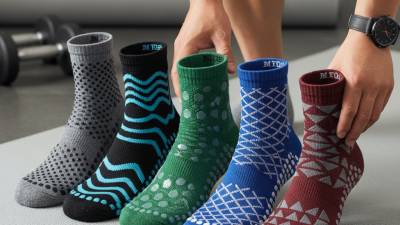
Grip systems need practical testing. Silicone dots, printed strips, and elasticized heel bands behave differently on tile, wood, and smooth indoor floors. Request dry and damp-surface trials, then compare grip after repeated washing. Excessive silicone may feel stiff, while weak application can peel quickly. Sizing also requires more than a generic small, medium, or large label. Match foot length, instep height, and regional measurement charts. Test borderline sizes, because a sock that fits one foot may pinch another. Packaging should show measurements clearly for overseas buyers.

2026 How to Source No Slip Ankle Socks for Global Buyers - Evaluate Materials, Construction, Grip Systems, and Sizing

Supplier comparison matrix for evaluating performance, comfort, durability, compliance, and international sizing.

Material, Construction, Grip, Sizing, and Sourcing Evaluation
Sock Profile Typical Fiber Composition Fabric Weight Key Construction Features Grip System Grip Coverage Best Use Case Indicative Retail Sizes Main Advantages Main Sourcing Risks
Lightweight Everyday 65–75% cotton
20–30% polyester
3–5% elastane
120–170 g/m² Fine-gauge knit, reinforced toe and heel, elastic arch band, smooth toe seam Silicone or PVC print dots Heel pocket and forefoot Casual footwear, loafers, indoor use EU 35–38
EU 39–42
EU 43–46
Low cost, familiar hand feel, broad consumer appeal Cotton moisture retention; print adhesion may decline after repeated washing
Performance Wicking 55–65% polyester
25–35% polyamide
5–10% elastane
130–190 g/m² Ventilation mesh, targeted cushioning, arch compression, flat toe closure Silicone heel band plus rubberized forefoot print Heel, arch contact area, and ball of foot Training, walking, travel, daily activewear EU 35–38
EU 39–42
EU 43–46
Fast drying, good shape retention, balanced comfort and stability Higher yarn and testing cost; excessive compression can reduce comfort
Bamboo-Blend Comfort 60–70% viscose from bamboo
25–35% polyamide
3–5% elastane
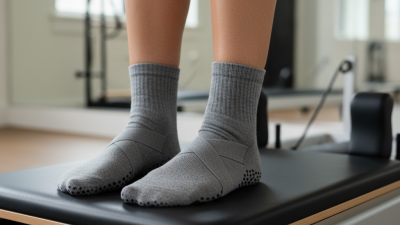
150–210 g/m² Soft terry sole, elastic arch support, linked toe, low-profile cuff Silicone heel strip Single heel band, typically 10–18 mm wide Home, yoga, pilates, comfort-focused retail EU 35–38
EU 39–42
Soft touch, breathable feel, good perceived value Viscose may shrink or lose strength if finishing and washing controls are weak
Merino-Blend Outdoor 35–55% merino wool
35–55% polyamide
3–8% elastane
180–260 g/m² Cushioned sole, anatomical left/right shaping, reinforced heel and toe Silicone heel insert or high-friction yarn zone Heel and midfoot Hiking, cold-weather travel, outdoor footwear EU 36–39
EU 40–43
EU 44–47
Temperature regulation, odor resistance, strong cushioning potential Higher cost, possible itch sensitivity, requires careful shrinkage testing
Grip Yoga / Studio 60–70% cotton
25–35% polyamide
3–5% elastane
170–240 g/m² Full arch support, separated toe option, terry footbed, secure ankle opening Silicone or PVC geometric pattern Forefoot, toes, heel, and lateral sole zones Yoga, pilates, barre, indoor training EU 35–38
EU 39–42
EU 43–46
High traction on smooth indoor floors; strong product differentiation Grip material can peel, become slippery with oils, or feel stiff if over-applied
Ballet / Dance Split-Grip 70–80% polyamide
15–25% polyester
5–8% elastane
100–160 g/m² Close anatomical fit, split heel and forefoot grip zones, minimal toe bulk High-friction printed pads or silicone zones Ball of foot and heel only Dance, studio movement, performance practice EU 34–36
EU 37–39
EU 40–42
Flexible, close fitting, preserves floor feedback Narrow fit may create returns; grip must balance traction and controlled pivoting
Medical / Diabetic-Friendly 55–70% cotton
25–40% polyamide
0–5% elastane
140–200 g/m² Non-binding cuff, smooth interior, flat seams, cushioned pressure-free sole Low-profile silicone heel print Heel only; avoid pressure-sensitive zones Comfort footwear and extended daily wear EU 36–39
EU 40–43
EU 44–47
Reduced cuff pressure, smooth feel, easier all-day wear Grip and cuff tension must be validated to avoid circulation or comfort complaints
Recycled-Fiber Option 50–70% recycled polyester
25–40% polyamide
3–8% elastane
130–200 g/m² Mesh ventilation, reinforced stress zones, recycled yarn traceability documentation Silicone heel and forefoot print Heel and forefoot Sustainability-led sports and lifestyle programs EU 35–38
EU 39–42
EU 43–46
Lower dependence on virgin polyester; suitable for recycled-content claims when verified Documentation gaps, inconsistent yarn shade, and claim-substantiation requirements
Recommended Grip Validation
Test dry and damp-floor traction, repeated washing, flexing, abrasion, and peel resistance. Compare the same grip pattern across at least three production lots.
Recommended Sizing Validation
Measure foot length and circumference after washing. Check heel placement, toe stretch, cuff recovery, and fit across the smallest and largest size in each range.
Buyer Approval Checklist
Confirm fiber composition, colorfastness, dimensional stability, restricted-substance compliance, packaging requirements, carton dimensions, and production lead time.
Note: Fabric weights, fiber percentages, size ranges, and grip layouts are practical specification ranges commonly used for product development. Final values should be confirmed through approved samples, laboratory testing, and the destination market's labeling and safety requirements.

Select Reliable Manufacturers and Verify Product Compliance

When sourcing no slip ankle socks in 2026, global buyers should assess the manufacturer before comparing prices. Request factory details, production capacity, material specifications, and recent export experience. A reliable supplier should explain how the grip works, whether through silicone dots, elastic bands, or engineered knitting. Ask for samples from regular production, not specially prepared pieces.

Check the socks after washing, stretching, and repeated walking. The heel should stay in place without creating painful pressure around the ankle. Inspect loose threads, uneven cuffs, weak seams, and peeling grip material. Confirm fiber content through an independent laboratory when volume is significant. Small details matter. A sample may look perfect but perform poorly after five washes.

Product compliance needs documented evidence. Request test reports for fiber composition, colorfastness, harmful substances, and skin-contact safety. Requirements differ by destination, so verify the applicable rules with a qualified local specialist. Do not accept copied certificates or reports that identify another product. Factory audits can review worker safety, traceability, inspection records, and corrective actions. Keep approved samples and written specifications for future shipments. I have found that many sourcing mistakes begin with unclear measurements, especially cuff height and grip coverage. Buyers should record these details, even when they seem obvious. A lower price is rarely useful if returns, delays, or inconsistent batches follow.

Compare Quotes, Sampling, Packaging, Shipping, and Supply Terms

2026 How to Source No Slip Ankle Socks for Global Buyers

Compare supplier quotes beyond the unit price. Request yarn composition, silicone grip coverage, size tolerance, MOQ, lead time, and defect allowance in one sheet. A quote of $0.28 may become expensive after custom labels, carton upgrades, inspection fees, and destination charges. Ask suppliers to separate FOB, CIF, and landed estimates. Small details matter.

Approve physical samples before negotiating volume. Test five pairs after washing, stretching, and ten hours of walking. Check whether the heel tab slips, the elastic leaves marks, or the grip hardens. Record measurements and photos. Samples expose reality. Require a signed pre-production sample and a clear replacement policy for inconsistent batches.

Packaging should protect pairs without creating unnecessary waste. OECD reports that packaging represented about 40% of global plastic waste in 2019. Consider recyclable paper bands, moisture protection, carton compression strength, and barcode readability. Confirm carton dimensions before booking freight. UNCTAD states that more than 80% of world merchandise trade by volume moves by sea, so shipping delays can affect seasonal launches. Set buffer days, inspection points, and responsibility under the chosen Incoterm. Supply terms should cover capacity reservations, payment milestones, reorder pricing, and raw-material changes. I would also request monthly production updates, although smaller factories may not provide perfect forecasting. That weakness needs a practical backup plan.