
65337edinw

Leave Your Message

您的浏览器版本不支持canvas

How to Choose Socks With Rubber Grips in 2026?

Choosing Socks With Rubber Grips in 2026 requires more than picking the thickest sole or brightest pattern. The right pair should match your floor, activity, foot shape, and washing habits. A soft pair may feel comfortable on a cold bedroom floor, but it can slide on polished wood. A heavily patterned sole may grip well, yet feel awkward inside tight shoes.

In practice, I would inspect the grip layout first. Small rubber dots suit gentle indoor movement, while broader silicone patterns may offer better contact during stretching or light exercise. Look for flexible fabric around the heel and arch. These areas should stay close without leaving deep marks. Breathable cotton blends can reduce warmth, but synthetic fibers often dry faster. Neither option is perfect.

Fit matters more than marketing language. Check the size chart, toe space, cuff pressure, and washing instructions. A sock that twists after one cycle will not remain reliable. Also, examine material details and product reviews from verified buyers. Their comments may reveal peeling grips, loose threads, or shrinking fabric.

My first choice is not always the best choice. I once valued maximum traction, then noticed the sole felt stiff on stairs. That experience changed my approach. Safety, comfort, durability, and easy care must be balanced. In this guide, we will compare these factors and consider how 2026 designs may improve grip without sacrificing natural movement. The goal is practical selection, not exaggerated promises.
How to Choose Socks With Rubber Grips in 2026?

What Are Socks With Rubber Grips and How Do They Work?

How to Choose Socks With Rubber Grips in 2026?

What Are Socks With Rubber Grips and How Do They Work?

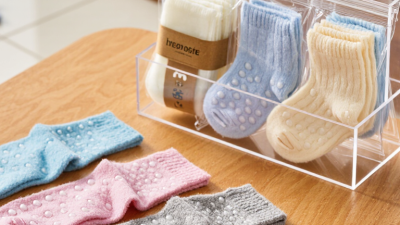
Socks with rubber grips place small silicone, PVC, or rubber-like dots beneath the foot. These dots increase friction against smooth floors. They can reduce sliding during yoga, pilates, rehabilitation exercises, or home workouts. The fabric holds moisture, while the grip pattern helps the sole stay planted. It is a simple mechanism, but comfort still depends on fit.

A useful grip should feel secure, not sticky. Too many raised dots may create pressure under the heel or forefoot. Check the toe seam, elastic tension, and washing instructions.

Textile Exchange’s 2024 Materials Market Report recorded 124 million tonnes of global fiber production in 2023. Synthetic fibers represented about 67 percent of that volume. This matters because polyester and nylon can dry quickly, but they may feel less breathable than natural fibers. The report does not prove grip performance. That limitation deserves attention.

Tips: Test the socks on a clean, dry floor. Walk, turn, and bend your toes. If the heel lifts, choose a smaller size. If the dots fold, the design may be too soft or poorly placed. I would not choose socks by dot count alone. A moderate pattern can work better. Check for skin irritation after ten minutes, especially during warm exercise. Grips also wear down, so inspect them after repeated washing.
Which Grip Patterns, Materials, and Sock Styles Are Available?

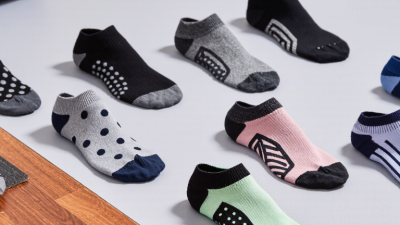
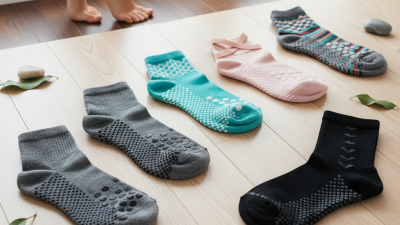
When choosing socks with rubber grips in 2026, inspect the grip pattern before chasing style. Small dots offer flexible traction for yoga, stretching, and polished floors. Crossed lines create a firmer feel during barre or indoor training. Full-sole zones resist sliding more strongly, but they may feel stiff. I prefer patterns that bend with the foot instead of forming a hard sheet. Not always. Dense rubber can improve control, yet it may reduce breathability. Check whether the grip remains soft after washing. Some patterns look impressive but lose traction when lint covers them.

Grip materials commonly include silicone, natural rubber, and synthetic rubber. Silicone usually feels smooth and tolerates repeated washing. Natural rubber can feel springy, though sensitive skin may require caution. Synthetic blends often reduce cost and allow varied textures. The sock fabric matters equally. Cotton feels familiar but dries slowly after sweat. Polyester, nylon, and elastane improve drying, stretch, and recovery. Look for a snug cuff, flat seams, and reinforced heel and toe.

No-show socks suit low shoes, but they can slip below the heel. Crew styles offer more coverage for studio workouts or cooler rooms. Toe socks separate each toe and may improve balance awareness. They also take longer to put on. Open-heel styles provide ventilation and easy movement at home. I test fit by walking, bending, and rotating my ankle. If fabric bunches under the arch, the size or cut is wrong. Measure after washing, not only from the package. That small check prevents disappointing purchases.

How to Match Grip Socks With Different Activities and Surfaces?

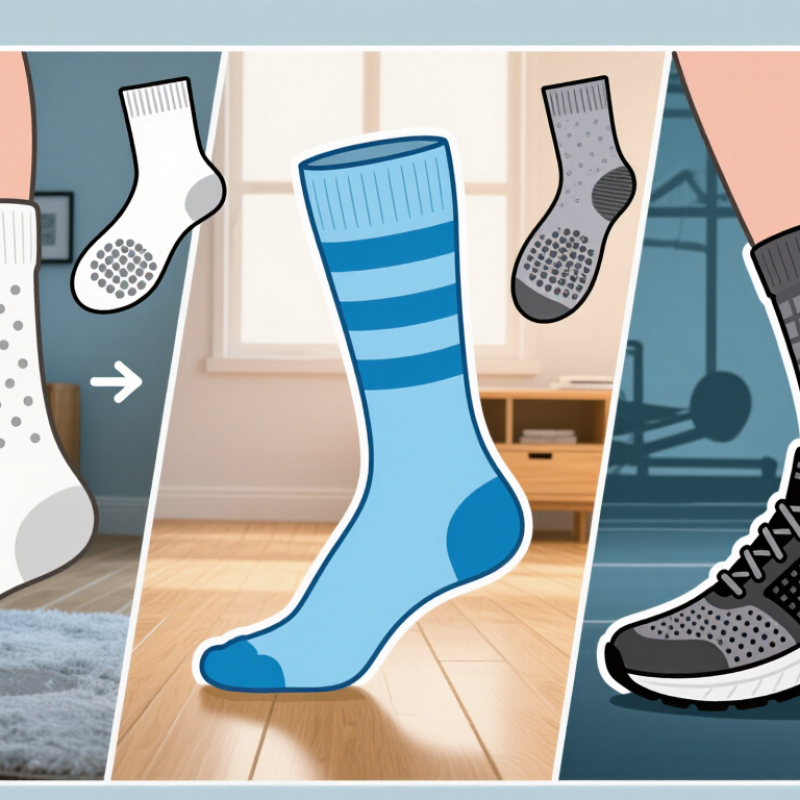
Choosing grip socks in 2026 starts with the floor, not the color. I learned this after sliding during a slow Pilates transition on polished studio vinyl. The problem was not weak rubber. The grip pattern was too sparse for that surface. On smooth wood or vinyl, choose full-sole rubber zones with close spacing under the heel and forefoot. For yoga, a thin, flexible sole usually preserves balance and toe movement. Thick cushioning can dull floor feedback. The World Health Organization recommends 150–300 minutes of moderate activity weekly. Many users now switch between training styles. One “all-purpose” sock sounds practical, but it is rarely ideal.

Match the sock to movement and friction. For Pilates or barre, choose low-profile grips and a snug arch. They can support controlled turns and side steps. For indoor cycling, prioritize moisture control and ventilation. The shoe provides most traction there. For home workouts on laminate, larger heel and toe grips may reduce sudden slipping. Test them slowly. Outdoor concrete is different. Rubber grips can wear quickly and collect grit, so suitable athletic footwear may be safer. The American College of Sports Medicine’s 2024 Worldwide Survey of Fitness Trends placed wearable technology among the leading trends, reflecting increasingly varied workouts. Reports cannot replace a floor test. Bend, lunge, and pivot before buying several pairs. A sock can grip well and still feel restrictive. I still inspect seams after washing; one pair shrank enough to change my balance.

How to Choose the Right Size, Fit, Comfort, and Breathability?

Choosing socks with rubber grips starts with accurate sizing, not the grip pattern. Measure your foot at the end of the day, when swelling is more likely. Compare that measurement with the seller’s size chart. A good pair should hug your foot without leaving deep marks around the ankle. The heel must sit in its pocket, rather than sliding beneath the arch. The toe area needs enough room for natural movement. Too much fabric can bunch under your toes and create pressure.

Fit affects comfort during walking, stretching, and indoor exercise. Look for a smooth toe seam and gentle elastic. Rubber grips should feel secure, but they should not make the sole feel stiff. Breathable fibers, such as cotton blends or moisture-managing synthetics, can reduce dampness. Mesh panels may improve airflow, although they can wear faster with frequent washing. I once assumed stronger grips were always better. They were not. Excessive grip can restrict natural foot movement on some floors. Check the sole after washing, because heat may change its texture or shrink the fabric.

Tips: Try the socks on clean, dry feet. Walk for five minutes. Bend your toes. Check for slipping, pressure, or trapped warmth. Choose a lighter style for hot rooms and a thicker style for cold floors. If your feet are different sizes, fit the larger foot first. Small details matter.

How to Choose Socks With Rubber Grips in 2026?

Right size, secure fit, everyday comfort, and breathability

How to read the chart: Moisture regain indicates how much moisture a fiber can absorb under standard textile-conditioning conditions. Higher values generally support moisture buffering, but actual breathability also depends on knit structure, thickness, fiber blend, and the coverage of the rubber grip pattern.

  • Size: Measure your foot from heel to longest toe and select the sock size range that contains this measurement.
  • Fit: The heel pocket should sit directly under the heel, with no bunching across the toes or arch.
  • Comfort: Choose smooth toe seams, moderate stretch, and cushioning that matches the activity.
  • Breathability: Prefer a ventilated upper and a grip pattern limited to the sole rather than a fully coated surface.

Typical fiber moisture-regain values shown at standard textile-conditioning conditions; values vary by yarn, finish, blend, and test method. Reference basis: commonly reported textile-engineering values consistent with ASTM D1909 conditioning practice.

How to Check Safety, Durability, Care Requirements, and Value?

How to Choose Socks With Rubber Grips in 2026?

Socks with rubber grips should feel secure without restricting your toes. Check the sole on a clean, dry floor before wearing them outside. The grip pattern should cover high-pressure areas, especially beneath the heel and ball of the foot. Avoid loose edges, sharp seams, or strong chemical smells. These details may indicate poor finishing or uncomfortable materials. People with sensitive skin should inspect the inner fabric carefully. Fit matters. Do not guess.

Durability depends on more than thick fabric. Stretch the sock gently and check whether it returns to shape. The rubber should stay attached after repeated bending. I once chose a pair with excellent grip, but the print cracked after several washes. That experience changed my buying habits. Read the care label, and avoid assuming “machine washable” means every cycle is safe. Cold washing, mild detergent, and air drying usually protect elastic fibers. High heat can harden rubber and shrink the cuff.

Tips: Compare the price with expected wears, not just the package cost. A cheaper pair may become expensive if it loses grip within weeks. Look for reinforced heels, breathable fabric, and clear washing instructions. Test one pair before buying several. Keep notes after washing. Small records reveal quality better than attractive packaging. Value also depends on comfort, because unused socks are wasted money.

How to Choose Socks With Rubber Grips in 2026? - How to Check Safety, Durability, Care Requirements, and Value?

Evaluation Dimension What to Check Practical Benchmark Why It Matters Priority
Grip Material Identify whether the grip is made from silicone, rubber-like polymer, PVC, or another coating. Check for a clear material declaration. Choose products with complete material information and avoid strong chemical odors, sticky residue, cracking, or peeling before use. A transparent material description helps with allergy screening and quality comparison. High
Skin Sensitivity Look for latex information, dye details, and whether the grip directly contacts the skin. Consider a small-area test for sensitive users. People with known latex or adhesive sensitivities should select latex-free options only when clearly stated and discontinue use if irritation develops. Grip coatings, dyes, elastic, and detergents can all contribute to contact irritation. High
Grip Coverage and Pattern Inspect the sole coverage, spacing, and edge finish. Confirm that the pattern supports the intended activity without creating pressure points. For everyday indoor use, evenly distributed dots or lines across the forefoot and heel are generally more practical than a few isolated patches. Even coverage can improve traction while reducing concentrated stiffness and uneven wear. High
Traction on Intended Floors Check performance on clean, dry surfaces such as wood, tile, or laminate. Do not assume grips prevent slipping on wet or contaminated floors. The sock should remain stable during normal walking and light movement without the grip feeling excessively hard or slippery. Grip socks improve contact but are not a replacement for appropriate footwear or floor maintenance. High
Fit and Compression Compare the size chart with foot length. Check that the heel sits correctly and that the cuff does not roll, pinch, or leave deep marks. Select a close but non-restrictive fit; avoid excess fabric under the toes or folds beneath the heel. A poor fit can cause blisters, reduce balance, and make the grip pattern sit in the wrong position. High
Fabric Breathability Review the fiber blend and inspect mesh zones, fabric thickness, and moisture management features. Cotton blends can feel comfortable for casual use; synthetic or wool blends may dry faster when moisture management is important. Less moisture buildup can improve comfort and help reduce friction during extended wear. Medium
Seam Construction Examine the toe seam, heel join, and inside of the sock for bulky stitching, loose threads, or exposed coating edges. Prefer flat or low-profile toe seams and neatly finished edges, especially for sensitive feet. Reduced seam bulk helps minimize rubbing and pressure points. Medium
Grip Adhesion and Flexibility Gently flex and stretch the sole. Look for cracking, lifting, flaking, or excessive stiffness in the grip layer. The coating should flex with the fabric and remain attached after repeated bending; reject pairs with visible separation. A flexible, well-bonded grip is more likely to maintain traction and resist premature failure. High
Washing Instructions Read the care label for water temperature, cycle, detergent restrictions, and drying method. When no special instruction is provided, use a cool or warm gentle wash, mild detergent, and avoid bleach unless the label permits it. Heat, bleach, fabric softener, and harsh agitation may weaken elastic or damage the grip coating. High
Drying and Storage Check whether tumble drying is allowed and store socks fully dry, away from prolonged heat and direct sunlight. Air-drying is the lower-risk choice when the care label does not specifically approve high-heat drying. Controlled drying helps preserve elastic recovery and reduce grip cracking or deformation. Medium
Durability Indicators Assess fabric density, heel and toe reinforcement, elastic recovery, grip bonding, and the quality of stitching. After washing, the sock should retain its shape, have no major thinning, and show no peeling or hardening of the grip. Durability determines the cost per wear rather than the purchase price alone. High
Value per Wear Compare the total price with the number of usable pairs, expected washing frequency, replacement rate, and return terms. A higher-priced pair can offer better value if it lasts substantially longer and preserves grip performance through regular care. Value is better measured by reliable use over time than by the lowest initial price. High
Replacement Signals Replace the socks when grips peel, become smooth, crack, turn hard, or no longer sit securely on the foot. Also replace socks with holes, permanently stretched cuffs, severe thinning, persistent odor after washing, or irritation. Worn socks can lose traction and comfort even when the fabric still appears usable. High
Quick decision rule: Choose the pair that combines a secure fit, clearly disclosed materials, evenly distributed flexible grips, comfortable seams, practical care instructions, and acceptable cost per wear. Grip socks are intended for suitable dry surfaces and should not be treated as a substitute for protective footwear.