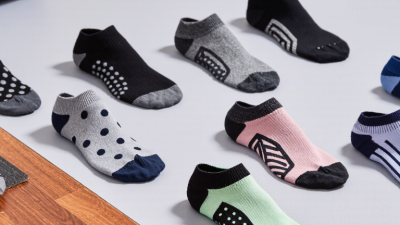
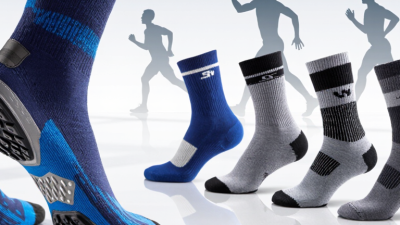
10 Best Yoga Socks With Grips for Yoga and Pilates?
Yoga Socks With Grips can make yoga and Pilates practice feel steadier, cleaner, and more controlled. They add traction between your feet and the mat, especially during lunges, planks, bridges, and reformer exercises. That small layer may also provide warmth when studio floors feel cold.
Dr. Emily Splichal, a functional podiatrist and founder of EBFA Global, often emphasizes, “The foot is the foundation of the body.” Her point matters here. Foot placement affects balance, posture, and movement confidence. A sock cannot correct poor technique, but the right grip pattern may reduce unwanted sliding. It can also help beginners feel less exposed during barefoot sessions.
This guide examines ten Yoga Socks With Grips for yoga and Pilates. Each option deserves attention beyond its color or brand name. We consider grip coverage, fabric softness, stretch, breathability, heel fit, and washing durability. Some designs use silicone dots, while others feature textured rubber patterns beneath the toes and heel. The differences become noticeable during a long downward dog or repeated footwork on a reformer.
Comfort remains personal. Very tight cuffs may leave marks. Loose socks may twist inside the shoe or shift during movement. Even the best pair may feel warm during heated yoga. That is worth remembering.
Our selections are not perfect for everyone. Feet differ, studio surfaces vary, and preferences change with practice. Still, these practical details can help readers choose more confidently, with safety and everyday comfort in mind.
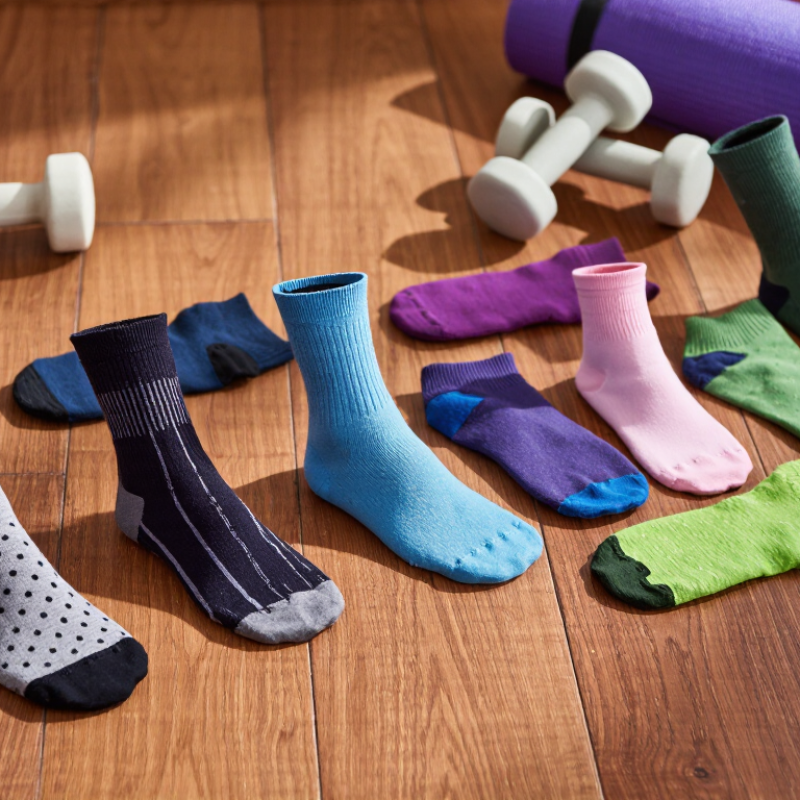
What Are Grip Yoga Socks and How Do They Work?
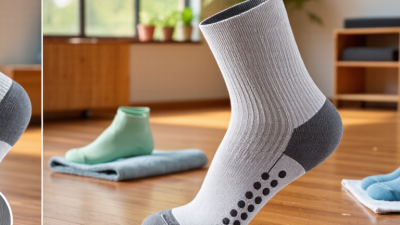
Grip yoga socks are low-profile studio socks with textured soles. Their grips usually contain silicone or rubber-like dots. These dots increase contact between your feet and a mat or wooden floor. They do not create suction.
When your foot presses down, the grip pattern deforms slightly. This increases friction and helps reduce sideways movement during lunges, standing balances, and Pilates transitions. Moisture, dust, and floor finish still affect performance. A damp sole may slide more than expected.
The Global Wellness Institute’s 2024 Global Wellness Economy Monitor valued the global wellness economy at $6.3 trillion in 2023. That growth reflects stronger interest in movement-based fitness, including yoga and Pilates. NCCIH’s 2022 review reports that yoga is generally safe when taught appropriately, although strains can happen. Grip socks support traction, not alignment, strength, or load control. A sock cannot correct poor technique.
Fit matters more than decoration. Choose a snug heel, flexible fabric, and evenly spaced grips. Loose material can bunch beneath the arch. That feels distracting.
One limitation deserves honesty. Grip performance changes across surfaces. Carpet, polished wood, and textured mats produce different results. Washing can also reduce the grip’s texture over time. I would test the socks with slow weight shifts before using them during faster flows. The dots may look effective, yet real traction depends on pressure, cleanliness, and movement control.
Grip Yoga Socks: Moisture Management by Common Fiber
Grip yoga socks use silicone or rubberized patterns on the sole to improve traction, while the sock fiber helps manage moisture. Cotton generally absorbs more moisture than polyester, nylon, or elastane, whereas synthetic fibers typically dry faster. Actual comfort and grip also depend on construction, fit, and floor surface.
Key Features to Consider When Choosing Yoga and Pilates Socks
Choosing yoga socks with grips requires more than checking their appearance. During practice, I notice how fabric, fit, and traction affect balance, comfort, and confidence. A secure grip pattern can help prevent slipping on smooth studio floors, especially during lunges, planks, and Pilates footwork. However, grip coverage should not feel stiff or distracting.
Breathable materials help reduce moisture during longer sessions. A cotton blend may feel soft, while technical fibers often dry faster. Look for a close fit without tight pressure around the toes or ankle. A flat toe seam can reduce rubbing, and a shaped heel pocket can stop the sock from twisting. The cuff should stay in place without leaving deep marks. Wash durability matters too. Some socks lose their grip after repeated washing, which is easy to overlook.
Tips: Test the socks on your actual studio surface before relying on them. Walk, stretch, and hold a plank for several seconds. Check whether the grips contact the floor evenly. If your toes feel cramped, choose a larger size. My first pair felt secure but became warm quickly, so comfort still needed more attention. Grip placement also deserves reflection; more rubber does not always mean better control. Follow the care label, avoid harsh heat when possible, and inspect the grips regularly for peeling or flattening.
How to Compare the 10 Best Grip Yoga Socks
Comparing the 10 best grip yoga socks requires more than checking their appearance. I assess traction, fit, fabric, toe control, durability, and comfort during real movement. On a polished studio floor, rubberized dots should hold without making pivots feel sticky. That balance matters. A sock with aggressive grip may restrict natural foot rotation.
For each pair, I use the same sequence: standing balance, chair pose, lunges, and seated stretches. I note slipping at the heel, bunching beneath the arch, and pressure around the toes. Barefoot-style designs can improve foot feedback, but separated toes are not comfortable for everyone. Fit is personal. A secure cuff should stay up without leaving deep marks after a 45-minute class. I also check fiber content and washing instructions. Cotton feels soft, while blended fibers often dry faster after a sweaty Pilates session.
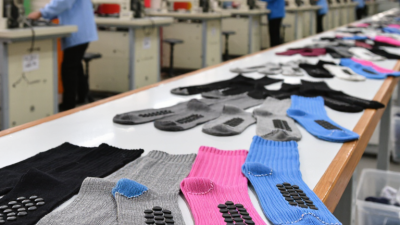
Durability separates a promising pair from a dependable one. After repeated washing, I inspect cracked grips, loose threads, and stretched cuffs. Grip coverage matters, because small heel patches may fail during transitions. Price should reflect construction, not attractive packaging. My rankings remain imperfect: foot shape, sweat, and floor texture can change the result. That limitation deserves attention.
Best Grip Socks for Different Yoga and Pilates Needs
Choosing the best grip socks depends on the session, not just the pattern underneath. For slow yoga, socks with flexible rubber dots and separated toes can improve balance during standing poses. Their thin fabric helps you feel the floor. They should not bunch beneath the heel.
Pilates often needs stronger traction. Look for full-sole grips, a close ankle fit, and breathable fabric. These features can support controlled movements on a reformer or mat. For sweaty feet, moisture-wicking material is useful, but it is not magic. Damp socks may still slide. A snug cuff helps, too.
For hot yoga, choose lightweight socks with ventilation. For beginners, a medium-grip sole may feel less distracting than aggressive traction. People with sensitive feet may prefer smooth seams and padded heels. Check the toe area carefully. Tight stitching can become irritating after fifty minutes of practice. Wash grip socks after each session, and let them air-dry to protect the rubber texture. Avoid fabric softener, which may reduce friction.
A simple test works well: stand on one foot, bend the knee, and shift your weight slowly. The sock should stay flat without squeezing your toes. I prefer a secure fit, but this is personal. Some practitioners need more floor contact. Others feel safer with extra cushioning. Socks can support stability, yet they cannot correct poor alignment or replace a clean, suitable mat. One overlooked detail is durability. Grip patterns often wear first under the ball of the foot. Check them regularly.