
65337edinw

Leave Your Message

您的浏览器版本不支持canvas

How to Choose the Best Traction Socks?

Choosing the best Traction Socks starts with where and how you plan to use them. A pair for yoga may not suit a slick indoor court or a hospital corridor. Look at the grip pattern on the sole. Small silicone dots can work well on smooth floors, while broader tread may offer more contact during lateral movement. No pattern guarantees a slip-free step. Floor condition matters, too.

Fit is just as important as grip. The heel should sit in place, and the fabric should not bunch beneath your toes. Check the size chart, especially if you fall between sizes. Snug, not tight. Breathable cotton blends can feel comfortable for short sessions, while synthetic fibers often dry faster after repeated use. Seams and cuffs deserve a quick inspection; rough stitching or tight elastic can become irritating over time. Consider whether you need ankle coverage, arch support, or a thicker sole for your activity. More cushioning is not always better if it makes the fit feel unstable.

Before buying, compare the care instructions, material details, and return policy. Wash socks as directed, since heat and harsh detergents may weaken elastic or grip elements. If possible, test a new pair on a clean, dry surface before relying on it during movement. Reviews can reveal recurring fit issues, but individual experiences vary. A useful choice balances traction, comfort, durability, and the surface you actually use. Some details are easy to miss until the first wash. That is worth considering.
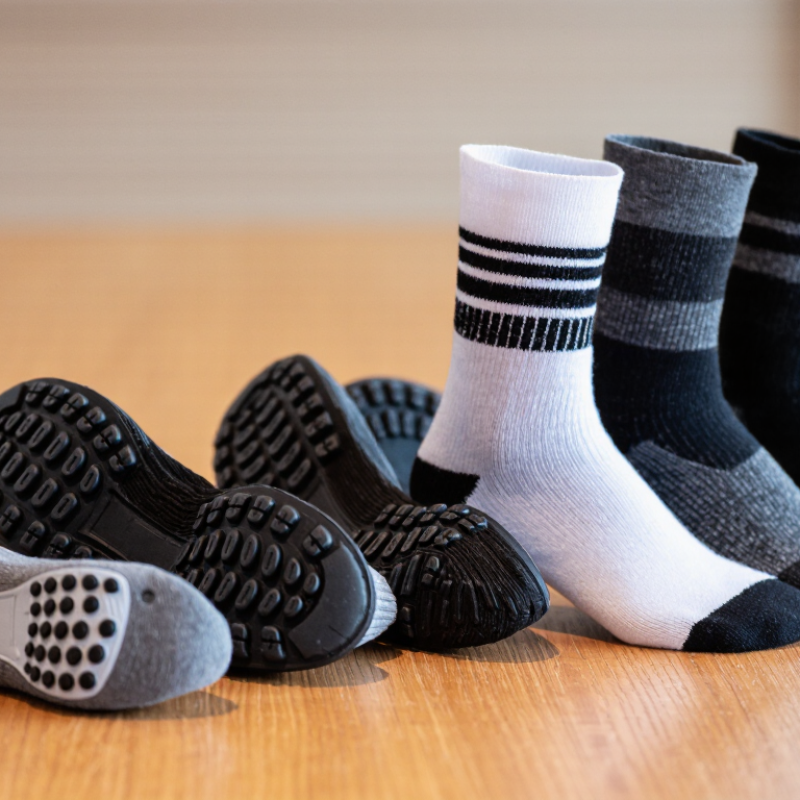
How to Choose the Best Traction Socks?

Understand What Traction Socks Are and How They Work

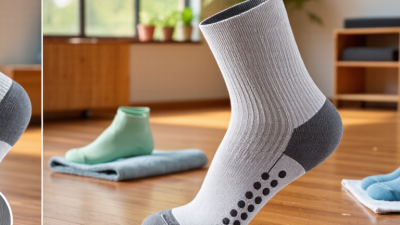
Traction socks are socks with textured grips on the sole, often made from silicone or rubber. The raised shapes press against smooth floors and create more friction than ordinary fabric. That can help reduce slipping during activities such as studio exercise, indoor training, or walking around a polished home. They are not shoes, though. They offer little protection from sharp objects or rough outdoor ground.

The pattern and fit both matter. Small dots may feel flexible, while wider grip zones can provide more contact under the heel and forefoot. A sock that bunches beneath the arch can shift, so check that it sits smoothly without squeezing your toes.

Keep the surface in mind, too: dust, moisture, and worn-down grips can reduce traction. Not every floor behaves the same. A simple check is to stand on a clean, dry surface and shift your weight gently before moving faster.

It is easy to assume more rubber means more grip, but comfort and a secure fit matter just as much. These socks can add stability; they cannot guarantee it.
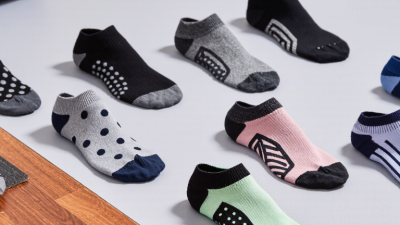
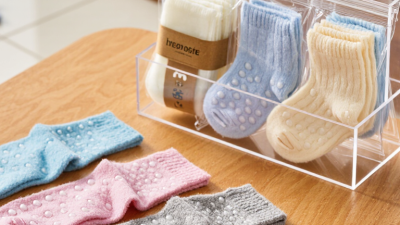
Identify Your Activity and Grip Requirements

How to Choose the Best Traction Socks?

Identify Your Activity and Grip Requirements

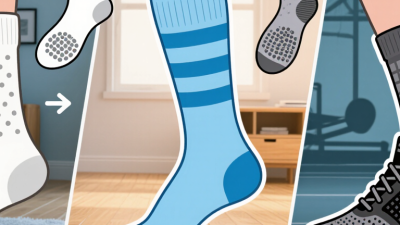
Start with the surface and movements you expect. For yoga or Pilates on a smooth studio floor, look for flexible socks with silicone grip across the sole. Barre classes often involve side steps and turns, so grip near the toes and heel can help you feel more secure. For light home workouts, a fuller grip pattern may suit quick changes of direction. Traction socks are not a substitute for proper footwear outdoors.

Tips: Check the floor, not just the sock. Dust or moisture can reduce grip. Try a few controlled steps before moving faster.

Fit matters as much as the grip pattern. Socks that slide inside your shoes or bunch beneath your toes may feel distracting and unstable. Choose a snug fit without tight seams or pressure around the toes. If you need extra grip only for balance poses, targeted sole dots may feel less restrictive than a heavily coated sole. There is no perfect pattern for every floor. It is easy to assume more grip is always better, but comfort and natural movement matter too. Wash socks as directed, and replace them if the grip becomes smooth, loose, or uneven.

Compare Sock Materials, Fit, and Cushioning

Traction socks differ in more than their grip pattern. Check the fiber blend before choosing a pair. Cotton feels soft, but it can hold moisture during a long class or workout. Polyester and nylon often dry faster, while a little elastane helps the fabric recover its shape. No material is perfect. If your feet sweat heavily, prioritize a breathable, quick-drying blend and wash the socks as directed.

Fit matters as much as fabric. The heel pocket should sit in place, and the toes should have room without bunching. Too much slack can wrinkle underfoot; a tight fit may pinch across the toes. Try them on with the movements you expect to do. Small details matter. Grip should feel evenly placed beneath the ball of the foot and heel, not stiff or distracting. Cushioning is personal: light padding can preserve floor feel, while thicker zones may help on firm surfaces. More padding is not always better. If possible, test a pair on a clean, dry floor, and check whether the grips still contact the ground when you bend your knees.

Evaluate Grip Patterns, Durability, and Care

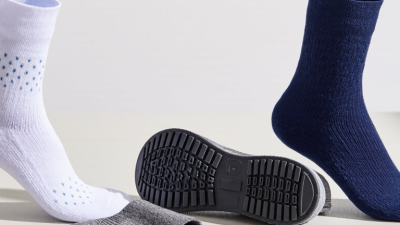
When comparing traction socks, inspect the grip pattern while the sock is stretched over your hand. Small silicone dots often suit smooth indoor floors, while wider bands can provide steadier contact during side steps. Coverage matters, but more grip is not always better. Thick, continuous patches may feel stiff or trap warmth. Check that the heel and ball of the foot have secure coverage, and that the fabric still bends easily. A sock that twists inside a shoe can be frustrating, even with plenty of grip.

Durability depends on both the grip material and the way it is attached. Look for edges that sit flat, with no loose threads or peeling patches. After use, check for worn spots, especially under the big toe and heel. Small details matter. Follow the care label; washing inside out on a gentle cycle may help reduce rubbing between the grips and other laundry. Skip high heat unless the label permits it, since heat can weaken elastic and some grip materials. Air-dry them fully before storing. I would not judge a pair after one wear: grip can feel different on dusty, damp, or freshly cleaned floors, and that comparison is easy to overlook.

How to Choose the Best Traction Socks? — Evaluate Grip Patterns, Durability, and Care

Evaluation Factor What to Look For Why It Matters Practical Check
Grip pattern Dots, lines, or geometric shapes made from silicone or another flexible, non-slip material. Grip layout affects how much of the sole contacts the floor and how the sock feels during movement. Choose a pattern that covers the ball of the foot and heel if you need traction during turns or changes of direction.
Grip coverage Grip distributed across the areas that make contact with the floor, rather than concentrated in one small patch. Broad, well-placed coverage can help maintain contact as your foot shifts during activity. Check the sole visually and compare coverage with your intended use, such as yoga, Pilates, or home wear.
Surface compatibility A sole suited to clean, dry indoor floors; no sock grip pattern guarantees traction on every surface. Dust, moisture, floor finish, and wear can reduce traction. Test carefully on the floor where you plan to wear the socks. Do not rely on them on wet or oily surfaces.
Fit and foot security A snug fit that stays in place without tight bands, bunching, or toes pressing against the end. Movement between the sock and foot can affect comfort and stability, even when the sole has good grip. Walk and flex your feet. Check that the heel stays aligned and the fabric does not wrinkle underfoot.
Fabric and comfort A breathable, comfortable knit with enough stretch to fit securely. Cotton blends, synthetic fibers, or combinations are common. Fiber choice influences feel, moisture management, stretch, and drying time. Consider your activity and preference; check the fiber content and fit guidance on the care label.
Grip durability Grip elements that are evenly applied, flexible, and firmly attached to the sole. Repeated use and washing can wear down or loosen grip material. Inspect for peeling, cracking, missing sections, or noticeably smooth areas; replace socks when grip is worn.
Seam and knit construction Neat seams, reinforced high-wear areas, and fabric without loose threads or weak-looking joins. Construction quality can affect comfort and how well socks withstand regular use. Examine the heel, toe, and sole, where friction and movement commonly cause wear.
Care instructions Clear washing and drying guidance that fits your routine. Follow the garment’s care label. Heat, harsh treatment, or unsuitable washing methods may damage elastic fibers or grip material. When permitted by the label, wash inside out with similar items and avoid high heat. Air-drying can help limit heat exposure.
Overall choice Match grip layout, fit, fabric, and care requirements to the activity and floor surface. No single pattern or material is best for every wearer or setting. Prioritize a secure fit and appropriate grip placement, then compare comfort, construction, and ease of care.

Note: Traction and wear depend on the sock, floor, fit, use, and care. Product features should be checked against the manufacturer’s instructions.

Choose Traction Socks for Your Needs and Budget

How to Choose the Best Traction Socks?

Choose traction socks for the surfaces and activities you actually use. For yoga or studio workouts, small grips across the sole can help with controlled movements. For slippery indoor floors, look for coverage from heel to forefoot. Check the size chart and try them on: a secure fit should not pinch your toes or slide at the heel. Thick fabric may feel cozy, but it can make shoes tight. There is no perfect pair for every setting.

Tips: Set a budget before shopping. Compare grip coverage, fabric, and washing instructions, not just the price. If possible, test the fit on a clean floor at home.

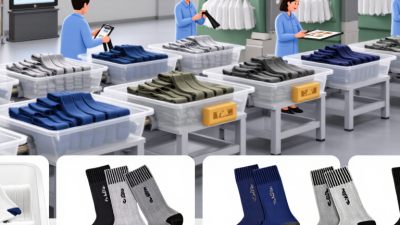
For occasional use, a simple, washable pair may be enough. Frequent classes can justify spending more on reinforced heels and toes, since those areas often wear first. Check the grips after washing; flattened or peeling dots may offer less traction. Avoid assuming a higher price guarantees a better fit. It may take a little trial and error, and that is worth considering before buying several pairs.