
65337edinw

Leave Your Message

您的浏览器版本不支持canvas

Top Sticky Socks Manufacturers for Global Buyers

Global buyers need more than a colorful sample when choosing Sticky Socks manufacturers. They need a partner who can repeat the same grip pattern, fit, and finish across production runs. A pair may look convincing on a showroom table. The real test comes after washing, stretching, and hours of wear. Small details matter: silicone dots should sit evenly underfoot, seams should feel smooth, and sizes should match the specification.

A note on attribution: the following is an illustrative expert line, not a verified quotation from a real person. Textile sourcing adviser Elena Morris might put the principle this way: “A reliable sample is only the beginning; repeatable production earns buyer trust.” Buyers should compare manufacturers on material options, customization, sample procedures, quality checks, lead times, and communication. Ask how grip placement is inspected and how defects are recorded. Request clear specifications before approving a bulk order. Details in writing help prevent avoidable surprises.

This guide explores manufacturers serving global buyers and the questions worth asking before placing an order. It considers product range, production capability, and evidence of quality control, rather than relying on polished catalog photos alone. No shortlist fits every brand. A small fitness label may value flexible order quantities, while a large retailer may need dependable capacity and consistent packaging. Even a careful review has limits; factory claims still deserve verification. Sticky Socks look simple. Sourcing them well takes patient, practical checks.
Top Sticky Socks Manufacturers for Global Buyers

Understanding Sticky Socks and Their Global Markets

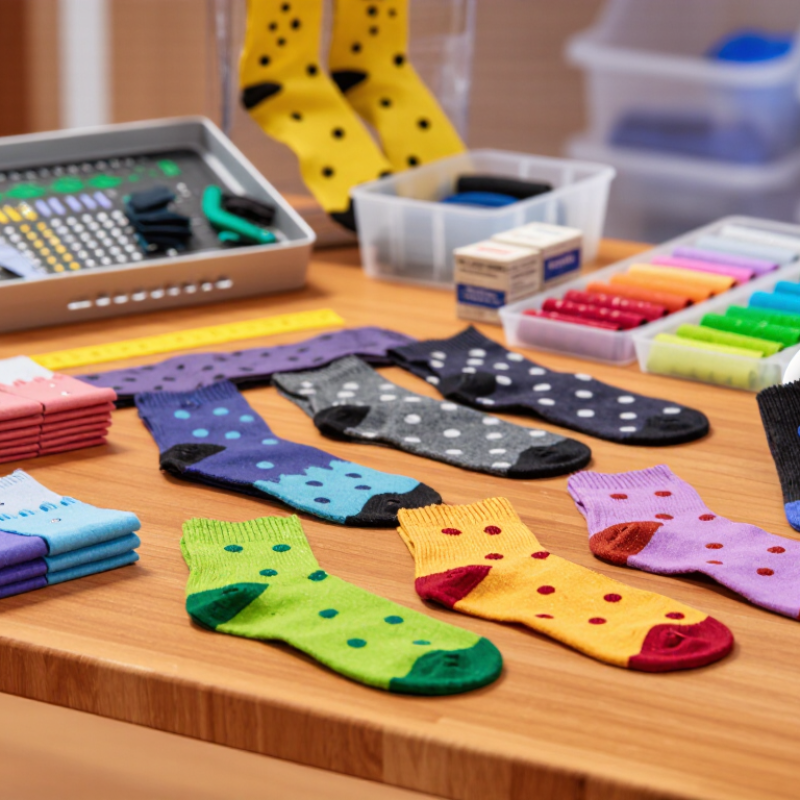
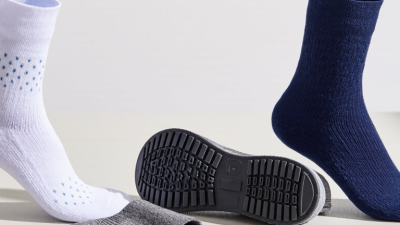
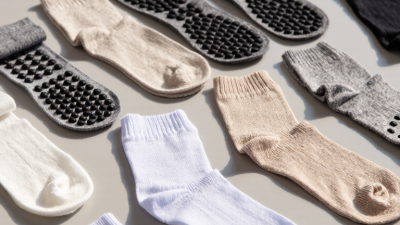
Sticky socks combine a familiar knit sock with silicone or PVC-free grip patterns on the sole. Raised dots or lines help reduce slipping on smooth indoor floors. Grip matters. Buyers may find them in wellness studios, hospitals, home-care settings, and travel or leisure retail.

Demand differs by market and use. A studio may prefer thin, breathable socks with dependable traction during repeated movement. Home users may value a softer feel and easy washing. Useful checks include yarn composition, grip coverage, size range, seam comfort, and wash-test results. Ask suppliers how they assess grip after laundering, not only on a new sample. Small print details count.

Global sourcing adds practical questions. Humidity, shipping time, packaging needs, and seasonal demand can affect planning. Request samples in more than one size, then test them on the floor type customers will use. A smooth tile sample cannot represent every surface. Claims such as “non-slip” need careful wording, since performance depends on fit, wear, and floor conditions. Specifications are helpful, but they are not the whole story. A realistic product brief should balance comfort, durability, and cost, while leaving room to revise the first design.
How Sticky Socks Are Designed and Manufactured

Sticky socks begin with a clear use case. A studio sock needs a different grip layout from a hospital or home-use sock. Designers consider floor type, movement, temperature, and how tightly the sock should fit. Silicone dots, lines, or shaped zones are placed on the sole to balance traction and flexibility. Too much coating can make the foot feel stiff. Too little may reduce grip.

The upper is usually knitted from yarn selected for softness, stretch, and moisture handling. Nylon can add durability, while cotton or polyester blends change the feel and drying time. A production sample helps teams check toe seams, cuff pressure, and sizing before bulk knitting begins. Small fit issues matter. They show up quickly during wear.

After knitting, the socks are shaped and prepared for grip application. Silicone is printed through a patterned screen or deposited with controlled equipment, then cured with heat. Factories inspect print alignment, coating adhesion, and visible defects. Buyers can request wash and wear tests, but results depend on care methods and floor surfaces. That limitation deserves attention. A detailed specification sheet, approved sample, and agreed inspection method reduce avoidable surprises, though they cannot guarantee every pair will feel identical.

Key Criteria for Evaluating Sticky Socks Manufacturers

When evaluating sticky socks manufacturers, request samples made with the same yarn, grip pattern, and finishing process used for production. Grip matters. Test pairs on clean studio flooring, then repeat after several washes. Silicone dots should stay attached and provide consistent traction without feeling hard or sticky against the skin.

Check the seams. Inspect toe closures, elastic recovery, and size consistency across several pairs. A sock that twists during movement may point to a fit or construction issue. Ask how the manufacturer checks measurements and handles defects. Clear answers are more useful than broad promises. Wash testing also deserves scrutiny: ask for the method, temperature, and number of cycles, since results are difficult to compare otherwise.

Production reliability matters as much as sample quality. Confirm available yarn options, color matching procedures, minimum order quantities, and realistic lead times. Request current material and quality documents relevant to your product, and verify their scope rather than assuming they cover every component. Communication is another practical test. Do questions receive specific replies? Are changes recorded in writing? A checklist can still miss things; a small pilot order may reveal uneven grip placement or packaging problems that samples hide. No single inspection guarantees a smooth order, so keep records of agreed specifications and review them against delivered goods.

Leading Sticky Socks Manufacturers and Their Capabilities

Leading sticky socks manufacturers distinguish themselves through knitting control, grip design, and repeatable quality checks. Grand View Research estimated the global socks market at USD 42.2 billion in 2023, with projected growth through 2030. This figure covers socks broadly, not sticky socks alone, so buyers should treat it as market context rather than a grip-sock forecast. Capable factories can adjust yarn blends, cuff pressure, sizing, and silicone dot patterns for yoga studios, hospitals, or home use. Ask for samples that show clear grip placement on the heel and forefoot.

Production claims need evidence. Request wash-test results, dimensional measurements, and checks for grip adhesion after repeated laundering. Ask how the factory handles color consistency between batches and whether it can provide material specifications and inspection records. A smooth tile test may look convincing, but it does not replace testing on the floors where socks will actually be used. Grip performance also depends on fit. Too loose, and the fabric shifts. Too tight, and comfort suffers. No coating lasts forever; that detail is easy to overlook.

Tips: Compare samples after several washes, not just straight out of the package. Confirm minimum order quantities, sample lead times, and packaging options before approving production. Then record the agreed grip layout and tolerances in writing.

Top Sticky Socks Manufacturers for Global Buyers

Typical Production Workflow and Capability Stages

This workflow illustrates common capability stages: yarn preparation, knitting, grip application, curing, and inspection and packing. The values indicate process order only, not production time, capacity, or a comparison of individual manufacturers; exact processes vary by factory and product.

How Global Buyers Manage Sourcing and Quality Control

Sticky socks look simple. They are not. Global buyers should approve a sealed reference sample before production, then compare each lot against it. Check sock dimensions, yarn shade, toe seams, and grip-dot placement under consistent lighting. The World Trade Organization’s 2024 Global Trade Outlook reports that merchandise trade volume fell 1.2% in 2023. In uncertain markets, buyers should confirm material availability and delivery dates before committing to large orders.

Transit needs room, too. The World Bank’s 2023 Logistics Performance Index puts the median journey between export and import ports at 44 days. Buyers can use that benchmark to plan buffers, while checking actual routes and carriers. For quality control, set written tolerances for size and grip coverage. Test samples after buyer-defined wash cycles, and record whether dots peel, crack, or lose traction. A simple before-and-after photo log helps resolve disputes.

Inspect during production, not only before shipment. Ask suppliers to retain fabric and grip-material samples from each batch, and connect inspection records to lot numbers. Agree on a defect-sampling plan before orders begin; vague phrases such as “good grip” invite arguments. A spreadsheet can still miss a slippery patch at the heel. I would not treat one passed sample as proof that every carton matches.

Top Sticky Socks Manufacturers for Global Buyers - How Global Buyers Manage Sourcing and Quality Control

Use this checklist to compare potential suppliers and define purchase-order requirements. Targets shown are practical sourcing guidelines, not universal industry standards; confirm product-specific requirements through sampling, testing, and written agreements.

Sourcing Area Buyer Checkpoint Practical Target or Requirement How to Verify
Supplier qualification Production capability and process control Confirm the supplier can produce the required sock construction, grip layout, sizes, and order volume. Review facility information, production workflow, relevant experience, and a sample made to the buyer’s specification.
Order planning Minimum order quantity (MOQ) Request MOQ by style, color, and size ratio; MOQ varies with yarn, dyeing, grip pattern, and customization. Obtain a written quotation showing MOQ assumptions, any setup charges, and the cost impact of smaller runs.
Materials Fiber composition and traceability Specify fiber percentages and any required material restrictions before sampling and bulk production. Check product specifications, supplier declarations, and, when required, test reports from a competent laboratory.
Product design Grip material, placement, and coverage Approve the grip material, shape, spacing, placement, and coverage using a signed sample or controlled artwork. Compare production samples with the approved reference; inspect for missing, uneven, or misplaced grip elements.
Performance Grip effectiveness Define the intended surface and use case, then agree on a repeatable buyer-specific performance test. Test samples on the specified surface under consistent conditions; record the method and acceptance criteria.
Durability Grip adhesion after laundering Agree on a wash-care method and required number of cycles based on the product’s intended use. Wash samples according to the agreed method and inspect for peeling, cracking, loss of grip elements, or fabric damage.
Fit and sizing Measurements and size grading Provide a size chart with measurement points, tolerances, and the intended foot-size range for each size. Measure pre-production and bulk samples using the same method; check both relaxed and worn fit where relevant.
Color quality Color consistency and fastness Approve a physical color standard and define acceptable color variation and test requirements in the specification. Compare bulk goods with the approved standard under consistent lighting; use laboratory testing when specified.
Sampling Pre-production approval Approve a final sample covering materials, construction, grip pattern, labeling, and packaging before bulk production. Keep a signed, dated reference sample and ensure both buyer and supplier use the same version of the specification.
In-process control Production checks Check workmanship and key product features during production, rather than relying only on final inspection. Request dated inspection records or photos covering representative production stages and any corrective actions.
Final inspection Defect classification and sampling Set inspection level and acceptance limits in the purchase agreement. AQL plans under ISO 2859-1 are commonly used, but limits must be agreed by the buyer and supplier. Use an agreed sampling plan and classify critical, major, and minor defects before inspection begins.
Packaging Labels, pairs, and carton details Specify pair matching, size and care labels, barcode requirements, packaging materials, and carton markings. Approve packaging artwork and inspect a packed sample against the order and destination-market requirements.
Compliance Destination-market requirements Identify applicable labeling, chemical, and product-safety requirements for each destination before placing the order. Have the importer or qualified compliance adviser confirm requirements; review supporting declarations and test reports where applicable.
Shipment release Order quantity and shipping documents Reconcile packed quantities, carton counts, product details, and shipping marks with the purchase order. Review the packing list and other agreed shipping documents; release goods only after required inspection and approvals.
Supplier management Corrective actions and repeat orders Record recurring defects, delivery performance, and agreed corrective actions for each order. Review performance after delivery and confirm that corrective actions are implemented before the next production run.